
US Military Buildup Near Iran: Trump's War Preparations Intensify
Donald Trump, who campaigned on a promise to avoid foreign wars, is now seemingly preparing for a military confrontation with Iran. According to US media reports, President Trump could authorize strikes against Tehran as early as this weekend. This potential action is not a sudden decision; Washington has been steadily escalating its military footprint in the Middle East in recent days.
Susan Ziadeh, an expert at the Center for Strategic and International Studies, highlighted the risks of this buildup. She stated, 'So much firepower... in the region creates a momentum of its own.' During a panel discussion on Wednesday, she added, 'Sometimes that momentum is a little hard to just put the brakes on and say, that's it, we're not doing anything.' With the US boasting the world's most advanced military equipment, the scale of this presence is both formidable and concerning.
Naval Deployments: A Show of Force at Sea
Preparing for conflict in the Middle East cannot be done overnight. Much of the Pentagon's hardware, accumulated over decades of war, has been relocated to bases in Europe. To rapidly deploy jets, guided missile destroyers, and land-based ballistic missile defense systems near Iran, the US is relying heavily on naval assets.
Marine traffic monitoring services reveal that the USS Gerald R. Ford, the world's largest aircraft carrier, along with three destroyers, was positioned in the Atlantic Ocean off the coast of Morocco recently. Destroyers, known for their agility and long-range capabilities, serve as escorts for powerful vessels like the Ford. Currently, 11 destroyers are confirmed to be in the region.
Military intelligence observers note that at its current speed, the Ford is expected to enter the Mediterranean Sea by Sunday morning. Carrier strike groups, such as this one, often include nuclear attack submarines. The Ford, a nuclear-powered ship costing approximately $13 billion, can carry up to 75 of America's most potent warplanes.
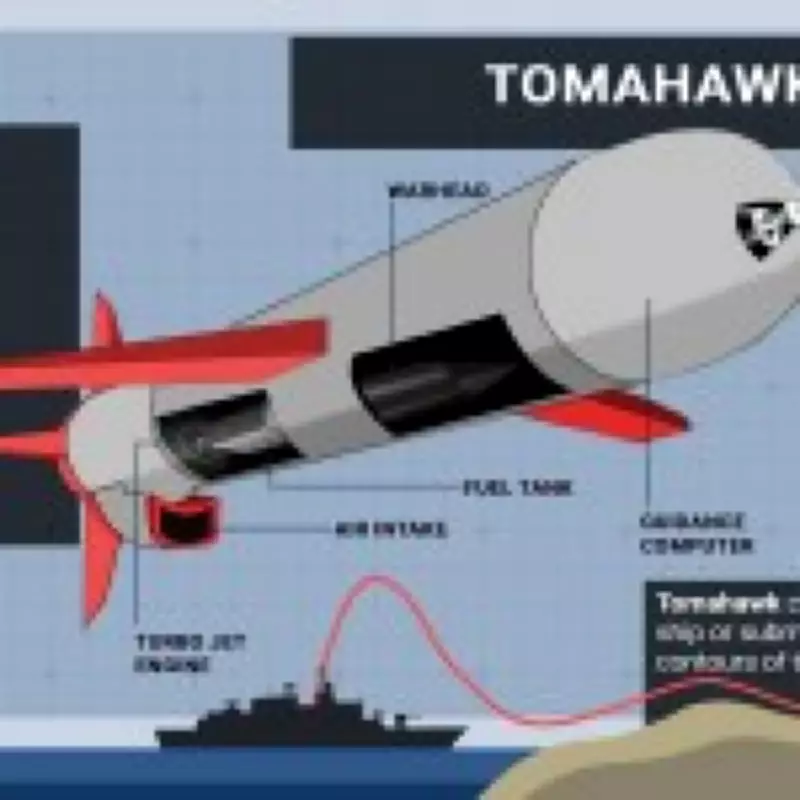
Additionally, the aircraft carrier USS Abraham Lincoln is nearby, accompanied by three warships armed with Tomahawk missiles. The Lincoln alone hosts nine squadrons, comprising as many as 90 aircraft and helicopters, including stealth jets. These forces will be joined by three littoral combat ships, designed for operations close to shorelines.
Aerial Movements: Jets and Support Aircraft Flood the Region
Analysts from the Military Air Tracking Alliance reported that about 50 fighter jets were en route to Iran earlier this week. These jets, primarily departing from European bases, include stealthy F-35s and the advanced F-22s. Versatile F-16s with sophisticated radar systems and F-15s have also been spotted.
Air traffic websites indicate that several F/A-18s, capable of engaging enemy aircraft and ground targets, are already within striking distance of Iran. Over the past 24 hours, the US Air Force has maintained a major airbridge to the Middle East, deploying additional tankers, air defense assets, and fighters in preparation for potential conflict.
Observers are also monitoring more than 85 fuel tankers, 170 cargo planes, and numerous reconnaissance aircraft equipped with advanced sensors and cameras heading into the area. The cargo fleet includes the imposing C-17 Globemaster, used since the 1980s to transport up to 45,000kg of freight overseas.
Satellite imagery from Planet Labs shows that various attack aircraft were stationed at Muwaffaq Salti Air Base in Jordan as early as last month, further underscoring the rapid military buildup.
Underlying Tensions: Nuclear Programs and Domestic Unrest
The critical question on everyone's mind is whether a US-Iran war is imminent. The primary flashpoint is Iran's nuclear and ballistic missile programs, which Trump demands the country abandon. He also insists that Tehran cease uranium enrichment, a process essential for developing atomic bombs and warheads.
This demand partly explains the Pentagon's swift military repositioning; the US needs the capability to target Iran's nuclear facilities, ballistic missiles, and launch sites. Despite these tensions, the two nations engaged in peace talks in Geneva on Tuesday, with Iran requesting a two-week period to consider a diplomatic resolution.
Another source of friction is Iran's harsh response to nationwide protests that began in December, calling for regime change. Security forces brutally suppressed these demonstrations, resulting in thousands of civilian deaths and imposing extensive internet and communication blackouts. Reza Pahlavi, son of Iran's deposed shah, claimed the death toll could be as high as 50,000.
Iran's economy is also under severe strain, with hyperinflation looming as its currency, the rial, plummeted to 1.42 million to the dollar recently. This economic crisis, driven by high inflation and Western sanctions linked to its nuclear program, has prompted many traders and shopkeepers to close their businesses.
If Trump decides to attack Iran, it would mark at least the seventh American military intervention in another country over the past year, highlighting a significant shift in US foreign policy under his administration.




