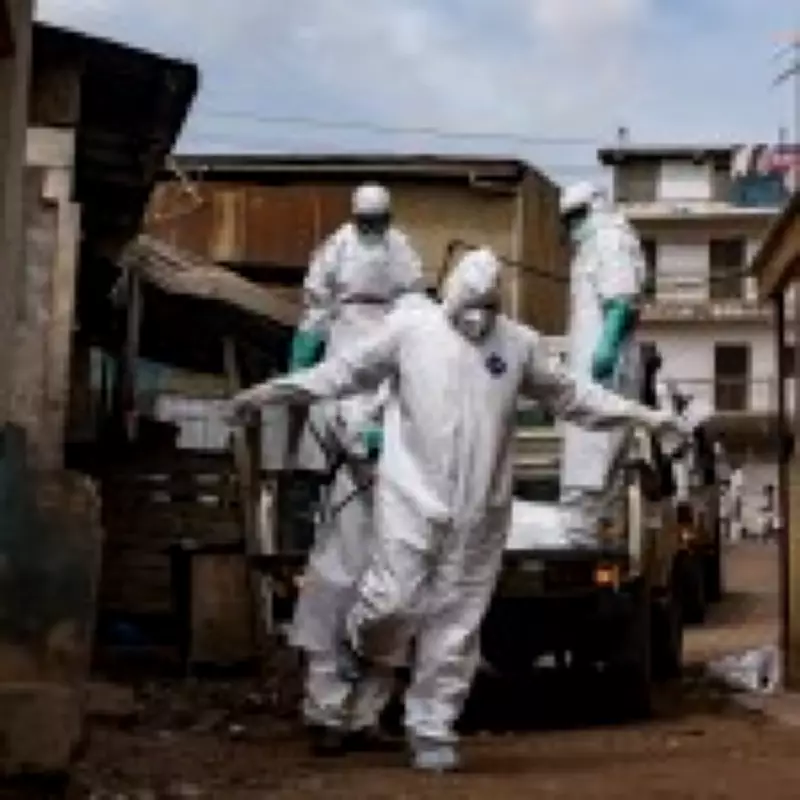
The Trump administration is considering sending Americans who may have contracted Ebola to Kenya for treatment, rather than bringing them back to the United States. This decision comes as the US has already moved to ban entry to immigrants and legal residents who have recently visited the Democratic Republic of Congo, Uganda, or South Sudan.
Treatment Facility in Kenya
According to The New York Times, instead of monitoring potentially infected Americans in Kenya and transferring those with symptoms to Europe for treatment, the US plans to keep affected individuals in Kenya. A Trump official confirmed that a treatment facility with quarantine features is being established in Kenya to handle American patients who develop symptoms. US public health officers are being deployed to Kenya to manage Americans who have been exposed or test positive for the deadly virus.
Ebola Outbreak in Congo
At least 220 people have died from the virus in the Democratic Republic of Congo since an outbreak was declared earlier this month. The current strain is the Bundibugyo strain, for which no vaccine currently exists. Scientists at Oxford are working on a vaccine, but it is unlikely to be available for at least six months.
Ebola is transmitted through contact with bodily fluids of infected individuals, including deceased persons. The virus has spread during mourning and funeral proceedings in previous outbreaks. Local officials attribute the spread to a lack of awareness, with some viewing Ebola as a 'white man's invention' or a profit-driven scheme by hospitals.
WHO Assessment
The World Health Organization has stated that the outbreak does not meet the criteria for a pandemic emergency like COVID-19 and has advised against closing international borders. Although more than 20 Ebola outbreaks have occurred in Congo and Uganda, this is only the third time the Bundibugyo virus has been reported. The average case fatality rate is around 50 percent, though rates have varied from 25 to 90 percent in past outbreaks.
Transmission and Control
A person infected with Ebola cannot spread the disease until symptoms develop. Effective outbreak control relies on a combination of interventions, including case management, infection prevention and control practices, surveillance and contact tracing, laboratory services, safe burials, and community engagement. Early supportive care, such as rehydration and symptomatic treatment, improves survival rates. There is currently no licensed treatment proven to neutralize the virus, but various blood, immunological, and drug therapies are under development.