
US-Israel-Iran Conflict Enters Fifth Day Amid Escalating Tensions
The military conflict involving the United States, Israel, and Iran has now reached its fifth day, with reports indicating a significant escalation in hostilities across the Middle East region. According to latest updates, both sides have engaged in a series of targeted strikes, raising concerns about a broader regional war. The situation remains fluid, with international observers closely monitoring developments as diplomatic channels are activated in an attempt to de-escalate the crisis.
Military Actions and Strategic Moves
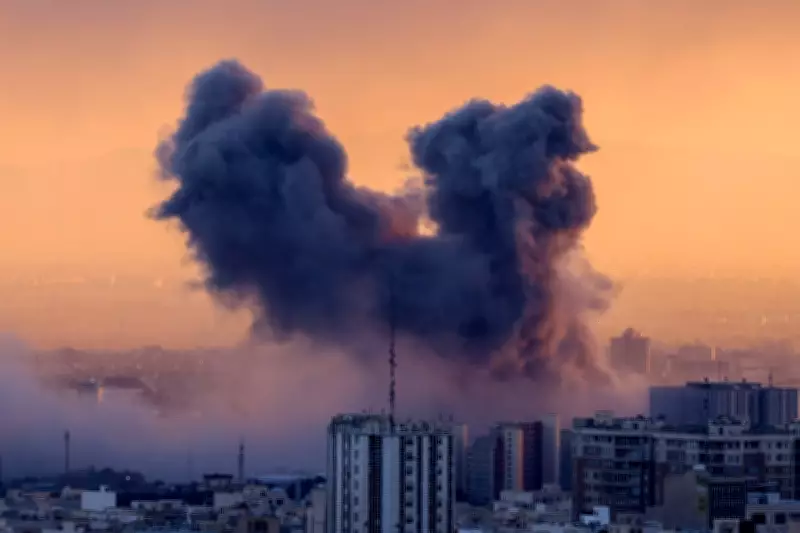
On the fifth day of the conflict, military actions have intensified, with the US and Israel conducting coordinated operations against Iranian-backed forces. Sources reveal that these strikes have focused on key infrastructure and military installations, aiming to curb Iran's influence in the region. In response, Iran has launched countermeasures, including missile attacks and support for proxy groups, further complicating the security landscape. The conflict has already resulted in casualties and displacement, highlighting the urgent need for a peaceful resolution.
International Diplomatic Efforts
As tensions rise, global leaders are ramping up diplomatic efforts to prevent further escalation. The United Nations and other international bodies have called for an immediate ceasefire, urging all parties to engage in dialogue. Key nations, including European allies and regional powers, are mediating talks to find a sustainable solution. However, progress has been slow, with deep-seated geopolitical rivalries and historical grievances posing significant challenges to peace negotiations.
Impact on Global Security and Economy
The ongoing conflict is having far-reaching implications beyond the Middle East, affecting global security and economic stability. Oil prices have surged due to disruptions in supply chains, while financial markets are experiencing volatility amid uncertainty. Additionally, there are growing fears of a humanitarian crisis, with aid organizations warning of potential shortages and displacement. The international community is being called upon to provide support and coordinate relief efforts to mitigate the impact on civilians caught in the crossfire.
Future Outlook and Potential Scenarios
Looking ahead, analysts predict that the conflict could evolve in several directions, depending on the outcomes of current diplomatic initiatives. If de-escalation efforts fail, there is a risk of prolonged warfare, potentially drawing in other regional actors and exacerbating global tensions. Conversely, successful mediation could lead to a temporary truce or even a long-term peace agreement, though this remains uncertain. Stakeholders are advised to stay informed as the situation develops, with updates expected in the coming days.




