
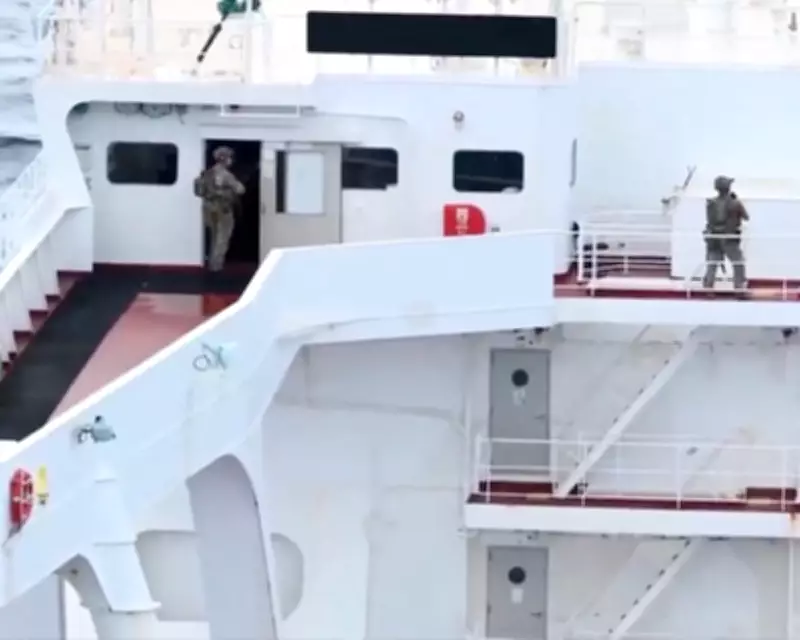
US Forces Board Second Venezuelan-Linked Oil Tanker in Indian Ocean
In a dramatic escalation of maritime enforcement actions, United States forces have successfully boarded a second oil tanker with connections to Venezuela in the vast expanse of the Indian Ocean. This operation marks a critical development in the ongoing efforts to enforce international sanctions against the South American nation, which has been grappling with severe economic and political turmoil for years.
Intensifying Sanctions Enforcement
The boarding of this tanker follows a similar incident earlier this year, where US forces intercepted another vessel suspected of transporting Venezuelan oil in violation of global sanctions. These actions underscore the Biden administration's firm commitment to tightening the economic pressure on Venezuela's government, led by President Nicolás Maduro. The sanctions, initially imposed by the Trump administration and continued under Biden, aim to curb Venezuela's oil exports, a primary source of revenue for the regime, due to allegations of human rights abuses and undemocratic practices.
According to sources familiar with the operation, the tanker was flagged under a third-party nation, but intelligence indicated it was carrying crude oil sourced from Venezuelan fields. US naval personnel, operating under legal authorities granted by sanctions regimes, conducted the boarding to inspect the cargo and verify its origins. This move highlights the increasing use of maritime interdiction as a tool in geopolitical strategy, particularly in regions like the Indian Ocean, which serves as a key transit route for global energy shipments.
Geopolitical Implications and Global Reactions
The interception has sparked a wave of reactions from the international community. Venezuela's government has condemned the action as an illegal act of aggression, accusing the US of violating international law and sovereign rights. In a statement, Venezuelan officials warned that such measures could destabilize regional security and escalate tensions in already volatile energy markets. Meanwhile, US officials defend the operation as a necessary step to uphold sanctions and prevent the Maduro regime from profiting off illicit oil sales, which they argue fund corruption and repression.
Other nations, including Russia and China, which have maintained economic ties with Venezuela, have expressed concern over the US's unilateral actions. Analysts suggest that this incident could further strain US relations with these global powers, potentially leading to diplomatic clashes in forums like the United Nations. The boarding also raises questions about the broader impact on global oil supply chains, as Venezuela possesses some of the world's largest oil reserves, and disruptions could influence prices and availability in markets worldwide.
Broader Context and Future Outlook
This event is part of a larger pattern of US efforts to isolate Venezuela economically. Over the past decade, sanctions have targeted key sectors, including oil, mining, and finance, contributing to a deep economic crisis in Venezuela characterized by hyperinflation, shortages, and mass migration. The boarding of tankers in international waters represents a more aggressive tactic, signaling that the US is willing to use military assets to enforce its policy objectives beyond its borders.
Looking ahead, experts predict that such operations may become more frequent as the US seeks to tighten the noose on Venezuelan oil exports. However, this could also lead to increased maritime confrontations or legal challenges, as other countries may resist what they perceive as overreach. The situation underscores the complex interplay between energy security, international law, and geopolitical rivalry in today's interconnected world.
In summary, the boarding of a second Venezuelan-linked oil tanker by US forces in the Indian Ocean is a pivotal moment in the ongoing sanctions campaign against Venezuela. It reflects heightened enforcement measures, geopolitical tensions, and the far-reaching consequences for global energy dynamics. As this saga unfolds, it will likely continue to shape diplomatic relations and market stability in the months to come.




