The End of the Post-War Order: Munich Conference Reveals New Global Reality
Germany's chancellor delivered a sobering verdict at the Munich Security Conference: the rules-based international order that emerged from the Second World War no longer exists. This assessment came during a weekend gathering that revealed fundamental shifts in global power dynamics and security arrangements that will reshape international relations for years to come.
America's Clear Warning to European Allies
The United States delivered an unambiguous message throughout the conference proceedings: unless European nations commit to serious rearmament and defense modernization, America is prepared to pursue its strategic interests independently. This represents a significant departure from decades of transatlantic security cooperation that has defined Western defense policy since the Cold War.
Secretary of State Marco Rubio articulated the American position with diplomatic precision but unmistakable clarity. "We want Europe to be strong," he declared from the main conference stage. "We believe that Europe must survive because the two great wars of the last century serve for us as history's constant reminder that ultimately our destiny is and will always be intertwined with yours."
However, Rubio added a crucial qualification that resonated throughout the conference halls: "Under President Trump, the United States of America will once again take on the task of renewal and restoration... And while we are prepared, if necessary, to do this alone, it is our preference, and it is our hope to do this together with you, our friends here in Europe."
The Return of Great Power Competition
The conference highlighted how Russia's continued aggression in Ukraine and China's expanding global influence have fundamentally altered the security landscape. These developments mean that what security experts term "big power competition" has returned with potentially dangerous implications for global stability.
German Chancellor Friedrich Merz established the conference's urgent tone during his opening address. "In the era of great powers, our freedom is no longer simply guaranteed. It is under threat," he warned. "The international order based on rights and rules... no longer exists in the way it once did."
This assessment reflects growing recognition that authoritarian regimes led by Russia's Vladimir Putin and China's Xi Jinping have systematically worked to undermine the liberal democratic international system that emerged following the Cold War's conclusion.
European Defense Deficiencies Exposed
The conference revealed troubling gaps between European rhetoric and military reality. For decades following the Cold War, many European governments redirected funding away from their armed forces, relying instead on American protection through NATO. This strategic complacency has left European defenses significantly weakened at precisely the moment when they face multiple security challenges.
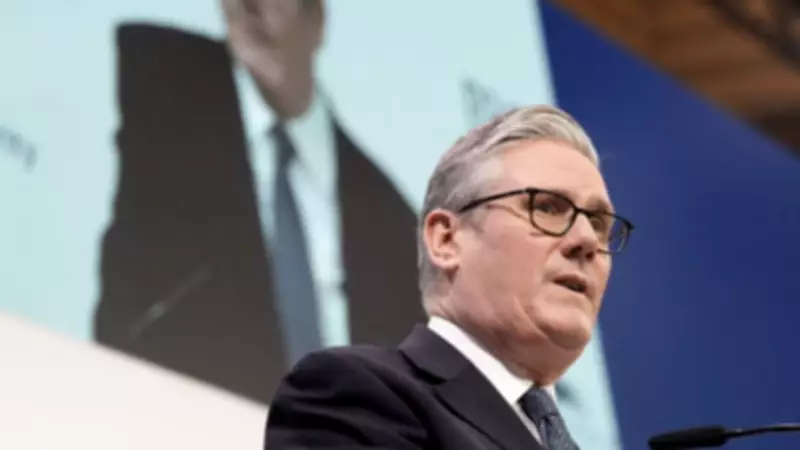
British Prime Minister Sir Keir Starmer attempted to project confidence during his conference address. "We must build our hard power because that is the currency of the age," he told assembled delegates. "We must be able to deter aggression and, yes, if necessary we must be ready to fight. To do whatever it takes to protect our people, our values and our way of life."
However, military experts quickly noted the substantial disconnect between Starmer's strong words and Britain's actual defense planning. The United Kingdom currently plans only a modest increase in defense spending from 2.3% to 2.5% of GDP by next year, with no concrete strategy to reach NATO's new 3.5% target by 2035.
American Expectations for Tangible Results
U.S. Under Secretary of State for War Policy Elbridge Colby offered European defense ministers blunt advice during pre-conference meetings in Brussels. He emphasized that declarations of intent must translate into actual military capabilities.
"It means moving beyond inputs and intentions toward outputs and capabilities," Colby stated. "Defense spending levels matter, and there is no substitute for it. But what matters at the end of the day is what those resources produce: ready forces, usable munitions, resilient logistics and integrated command structures that work at scale under stress."
Colby's message underscored American frustration with European defense procurement systems that often prioritize bureaucratic processes over combat effectiveness. He called for "hard choices about force structure, readiness, stockpiles and industrial capacity that reflect the realities of modern conflict rather than peacetime politics."
The Strategic Implications for Medium Powers
The conference discussions highlighted how smaller and medium-sized nations like the United Kingdom and its European partners now face unprecedented security challenges. With America signaling potential strategic retrenchment and authoritarian powers growing increasingly assertive, European countries recognize they must enhance cooperation while simultaneously strengthening their individual defense capabilities.
This new reality represents what security analysts describe as a "strategic inflection point" in transatlantic relations. The assumptions that have guided Western security policy for generations can no longer be taken for granted, requiring fundamental reassessment of defense priorities, alliance structures, and military preparedness across Europe.
The Munich Security Conference ultimately served as both diagnosis and warning: the post-Cold War security architecture has collapsed, and European nations must rapidly adapt to a more dangerous and competitive global environment where traditional alliances face unprecedented strain.