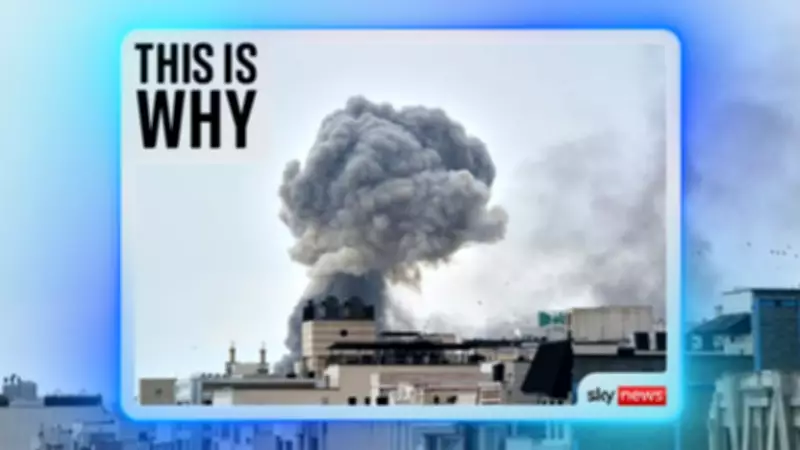
UK's Diplomatic Tightrope in the Shadow of Trump's Iran Conflict
As war rages across the Middle East following coordinated military strikes by the United States and Israel against Iran, the United Kingdom finds itself navigating a perilous diplomatic landscape. Prime Minister Keir Starmer has ignited a significant crisis in the special relationship with former President Donald Trump by initially refusing to grant the US access to critical UK airbases for operations. This bold move, though later reversed, underscores the fragile balancing act Starmer must perform to prevent Britain from being unwillingly pulled into a broader regional conflict.
A High-Stakes Decision with Global Repercussions
The prime minister's initial blockade of US military assets from utilizing British territory sent shockwaves through international diplomatic circles. By taking this stand, Starmer risked alienating a key ally during a period of intense geopolitical instability. The decision highlights the UK's complex position: striving to maintain its sovereignty and independent foreign policy while managing the expectations and demands of a powerful partner like the United States.
Despite the subsequent reversal, the incident has exposed the underlying tensions and vulnerabilities in the UK-US alliance under the current administration. Experts warn that such diplomatic friction could have long-lasting effects on intelligence sharing, defense cooperation, and economic ties between the two nations.
Expert Analysis on Security and International Affairs
In a groundbreaking episode of the podcast This Is Why, Sky News' security and defence editor Deborah Haynes and international affairs editor Dominic Waghorn joined host Niall to dissect the unfolding crisis. Their analysis provides crucial insights into the strategic calculations behind Starmer's actions and the potential consequences for UK national security.
Haynes emphasized the military implications, noting that denying airbase access could significantly hamper US operational capabilities in the region, potentially altering the conflict's trajectory. Meanwhile, Waghorn explored the diplomatic fallout, suggesting that Starmer's initial resistance might reflect broader European concerns about being drawn into conflicts not directly aligned with their national interests.
The Prime Minister's Precarious Position
Starmer now walks a political tightrope, balancing domestic pressure to avoid foreign entanglements with international obligations to support allies. The situation is further complicated by:
- Public Opinion: Growing anti-war sentiment among British citizens who fear another costly Middle Eastern engagement.
- Economic Considerations: Potential disruptions to global oil markets and trade routes affecting the UK economy.
- Security Threats: Increased risk of retaliatory attacks on UK soil or against British interests abroad.
- Alliance Management: Maintaining functional relationships with both the US and European partners who may have differing views on the conflict.
The prime minister's ability to navigate these competing pressures will test his leadership and define his foreign policy legacy. As the conflict escalates, the question remains whether diplomatic maneuvering alone can shield Britain from being swept into the vortex of war.
Looking Ahead: Uncertainties and Challenges
The evolving situation in the Middle East presents ongoing challenges for UK policymakers. With Trump's unpredictable foreign policy approach and Iran's potential for escalation, Starmer must prepare for various scenarios. The podcast discussion highlighted several key areas of concern:
- Intelligence Coordination: How will information sharing between UK and US agencies be affected by the airbase dispute?
- Military Readiness: What preparations are necessary to protect British forces and assets in the region?
- Diplomatic Channels: Can the UK play a mediating role to de-escalate tensions, or will it be forced to choose sides?
- Domestic Legislation: What parliamentary approvals might be required for any future UK involvement?
As the world watches the conflict unfold, the UK's delicate position serves as a case study in modern alliance management during times of crisis. The decisions made in the coming weeks could reshape international relations and determine Britain's role on the global stage for years to come.