In the freezing pre-dawn of a December morning, a critical operation unfolds across Ukraine's vast 750-mile frontline. It is the moment for troop rotations, a perilous but essential ritual of war.
The Dawn Rotation: A Journey into the Grey Zone
A crew of four soldiers from the renowned Da Vinci Wolves battalion loads into a cramped M113 armoured personnel carrier. Their destination is a secret drop-off point, from where they will proceed on foot to a frontline position for a gruelling stint of 10 to 12 days. The atmosphere is tense yet spirited, marked by nervous energy.
The tactics of movement have evolved dramatically. Where once the cover of night was safest, the proliferation of Russian drones equipped with thermal cameras has changed the calculus. Now, soldiers often move during "grey weather" – the damp, fog-laden winter mornings on the Novopavlisky axis, south-west of Pokrovsk, which offer a sliver of concealment.
As daylight begins to break at the rotation point, the reality of the soldiers' schedule sets in. Asked if his outgoing crew will be back for Christmas, a 30-year-old soldier using the call-sign Dark replies, "We'll be back before Christmas, yes, but then there'll be another rotation. So we'll be out again at Christmas. The work never stops."
The Unrelenting Pressure: Longer Stints and Drone Dominance
A severe shortage of personnel and the omnipresent threat from above have drastically extended frontline deployments. Just over a year ago, rotations for specialist units like drone crews could be as frequent as every three days. That now seems a distant memory.
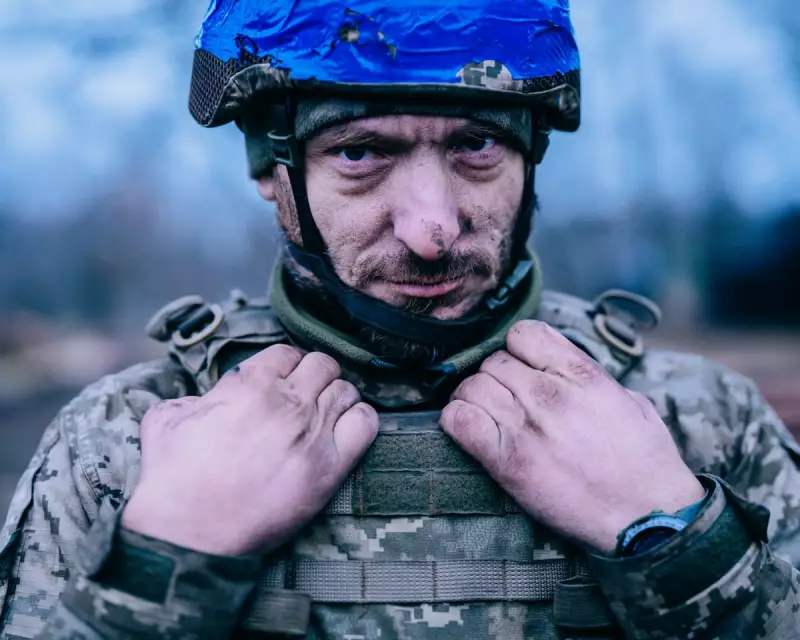
The returning soldiers tell the true story. First to emerge from the armoured vehicle is an infantry squad that has just endured 38 consecutive days on the front line. Their faces are marked by exhaustion, with wide eyes and dirt-ingrained skin. Rough blue tape spun around their helmets serves as a vital identifier to prevent friendly fire.
Oleksandr, 37, is visibly relieved, immediately lighting a proper cigarette and complaining about inferior brands airdropped by drone. His primary desire is simple: "a shower and rest – we will have as much rest as they will give us." His comrade, Solodenkyi (call sign 'Sweet'), a 42-year-old with strong features, appears utterly drained. Their marathon deployment ended with a treacherous walk to the pick-up point beginning at 10pm the previous night.
The roles of infantry and drone crews, while intertwined, are starkly different. The drone teams are in constant motion – conducting reconnaissance, launching attacks, and hunting for Russian infiltrators. The infantry's core task, however, is one of grim endurance: to hold a position, hide, and avoid detection at all costs. Oleksandr reveals that in their 38-day ordeal, they had "no contact" with enemy troops – a testament to their successful evasion and holding of the line.
A Moment of Respite: The Returning Drone Crew
Next to rotate out is a drone crew concluding a two-week deployment. Concerns about a wounded soldier, call-sign Estonian, prove less severe than feared. The 34-year-old limps out, explaining a Russian drone struck 700 metres from his position. He is keen to depart with his team to recover.
Among them is Jesus, a 22-year-old drone pilot, who pauses to deeply inhale a cigarette, perhaps the best of his life. For two weeks, his world was the claustrophobic confines of a bunker, venturing out only for supplies delivered by drone, constantly hiding from being spotted as a high-value target. "There was enough work," he says with a smile when asked about his stint. On the feeling of being back? "I feel amazing," he declares, his spirit undimmed on the grey morning. His break, like his deployment, will last two weeks before the cycle begins anew.