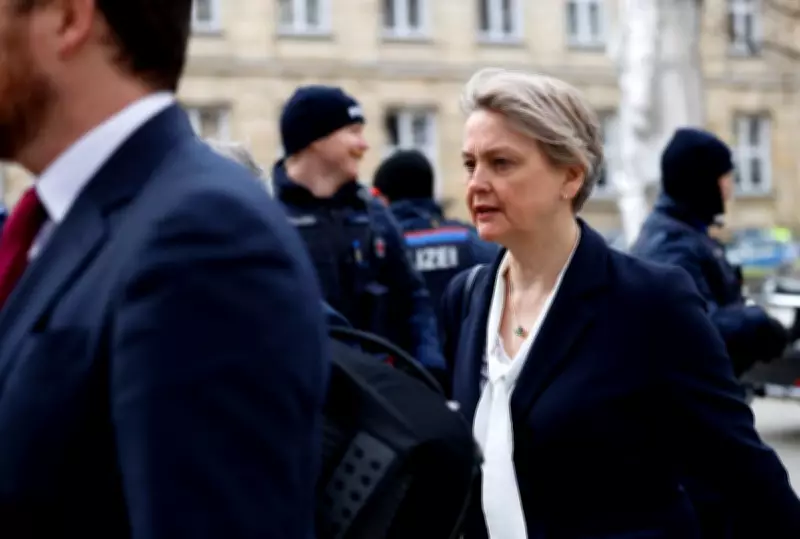
Foreign Secretary Yvette Cooper Confronts Questions on Navalny's Poisoning
Good morning and welcome to our live coverage of UK politics. The British Foreign Secretary, Yvette Cooper, is speaking to Sky News this morning, following a significant announcement from the UK government. The UK has stated that the late Russian opposition leader Alexei Navalny was killed using a poison derived from a dart frog toxin, allegedly administered by the Russian state two years ago.
International Assessment and Chemical Weapons Violation
This assessment was made jointly by the foreign ministries of the UK, France, Germany, Sweden, and the Netherlands after thorough analysis of material samples recovered from Navalny's body. The European countries have declared that they are reporting Russia to the Organization for the Prohibition of Chemical Weapons for a clear breach of the Chemical Weapons Convention.
In February 2024, Navalny, a fierce critic of Russian President Vladimir Putin, died in a remote Arctic penal colony. He was serving a 19-year sentence on extremism charges, which were widely viewed as politically motivated and intended to silence his opposition activities.
Cooper's Statement from Munich Security Conference
Speaking from the Munich Security Conference, Cooper emphasized the gravity of the situation. "Only the Russian government had the means, motive, and opportunity to deploy this lethal toxin against Alexei Navalny during his imprisonment in Russia," she stated firmly. Cooper added that Russia perceived Navalny as a significant threat, leading to this alleged state-sponsored action.
Moscow has reportedly dismissed the assessment as "an information campaign," denying any involvement in Navalny's death. As this developing story unfolds, we will continue to provide the latest updates and analysis on the implications for international relations and chemical weapons enforcement.