In a significant coordinated operation, British and French military aircraft have successfully targeted and destroyed a key underground Islamic State facility in central Syria. The strike, which took place on Saturday evening, marks a continued international effort to dismantle the terror group's infrastructure.
Precision Strike on Terrorist Infrastructure
The mission focused on a complex of access tunnels leading to a subterranean site in the mountainous region near the ancient city of Palmyra. According to the UK Ministry of Defence, guided bombs were deployed with precision to collapse the tunnels and neutralise the facility. Intelligence assessments indicated the site was likely used to store weapons and explosives for ISIS operations.
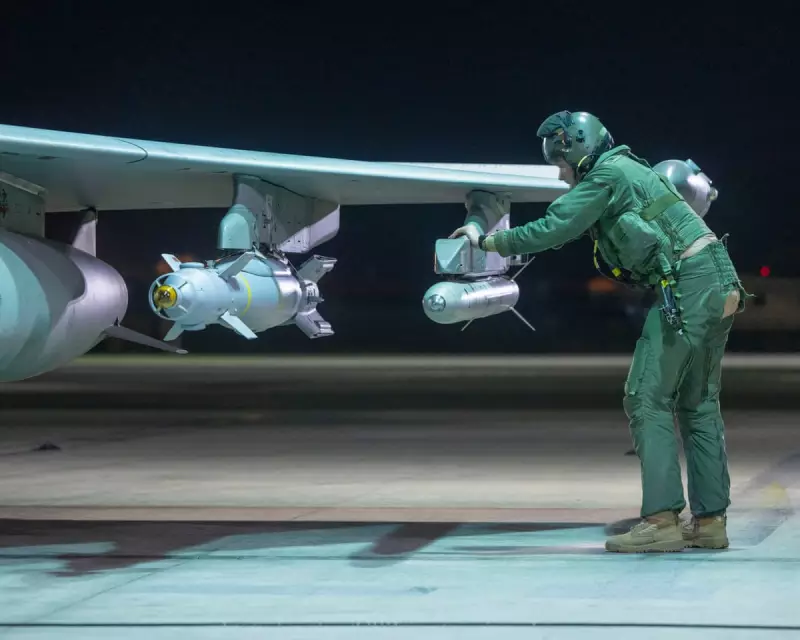
Officials confirmed the strike was carefully planned to minimise collateral damage, with the area confirmed to be devoid of civilian presence at the time of the attack. The operation involved RAF Typhoon fighter jets, with pilots like the one photographed conducting pre-flight checks on Saturday, playing a crucial frontline role.
Allied Resolve Against Terrorism
UK Defence Secretary John Healey stated the operation demonstrated the nation's unwavering commitment to working with allies against shared threats. "We are determined to stand shoulder to shoulder with our allies to stamp out any resurgence of IS," Healey said. He extended his gratitude to the armed forces personnel involved in the mission, which aimed to "eliminate dangerous terrorists who threaten our way of life."
The joint action with France underscores the ongoing multinational cooperation in the region, long after the territorial caliphate of ISIS was dismantled. The strike targeted a remnant cell, highlighting concerns that the group remains active in remote areas, attempting to regroup and rebuild its capabilities.
Ongoing Counter-Terror Campaign
This latest intervention is part of a sustained campaign by the Global Coalition against ISIS. While large-scale combat operations have diminished, targeted air strikes against high-value facilities and personnel continue. The use of RAF Typhoons from bases in the region showcases the UK's continued investment in and reliance on advanced air power for rapid, long-range strikes.
The Ministry of Defence has framed such operations as essential, preventative measures. By degrading ISIS's ability to store weapons and plan complex attacks, the UK and its partners aim to protect not only regional stability but also security interests at home, preventing the export of terror from Syrian soil.