
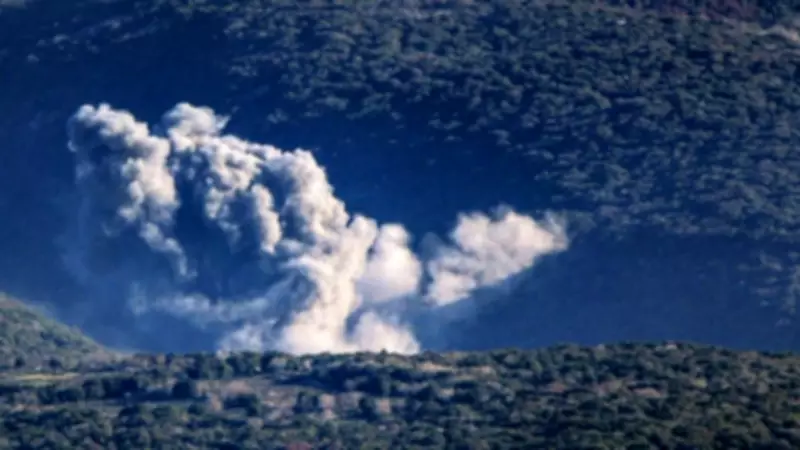
Trump's Surprise Iran Offensive Plunges Middle East into Major Conflict
In a stunning escalation that has shocked international observers, former US President Donald Trump has initiated a large-scale military assault against Iran with Israeli support, effectively tipping the entire Middle East region into what analysts predict could be a weeks-long massive war. The decision represents Trump's most extreme foreign policy maneuver to date, deliberately choosing confrontation over continued diplomatic channels that had shown recent progress.
Diplomatic Deception Precedes Military Action
Just days before the offensive, diplomatic talks in Geneva had been making measurable progress toward de-escalation, with additional negotiations scheduled for the following Monday. This diplomatic activity now appears to have been a strategic ruse designed to lull Iranian leadership into believing military action was not imminent. Trump launched the American military operation without securing approval from either the United Nations Security Council or the United States Congress, bypassing established international protocols.
The offensive lacks even minimal justification under international law frameworks, marking a significant departure from conventional military engagement protocols. Regional allies, with the notable exception of Israel, had strongly urged Trump to pursue alternative paths to avoid open warfare. While some Middle Eastern governments might celebrate the potential downfall of Iran's current leadership, this outcome remains highly uncertain given Iran's substantial military capabilities and demonstrated willingness to retaliate aggressively.
Immediate Regional Consequences and Global Economic Threats
Initial reports confirm retaliatory attacks across the Persian Gulf region, targeting various installations and neighboring countries. The strategic significance of this conflict zone cannot be overstated—approximately one-fifth of global oil supplies transit through these waterways daily. A sustained military engagement threatens to severely disrupt this critical energy corridor, potentially triggering major repercussions throughout the world economy as oil prices spike and supply chains fracture.
Iranian leadership has characterized the conflict as an existential struggle for survival, indicating they will employ their full military capabilities without restraint. The regime had previously warned it would "take the gloves off" if directly attacked, and early retaliatory strikes against US military installations in Bahrain demonstrate this commitment to aggressive countermeasures.
International Diplomatic Fallout and Domestic Political Calculations
The American-Israeli offensive presents immediate diplomatic challenges for key allies including Britain. Prime Minister Sir Keir Starmer has explicitly ruled out allowing British military bases to support the assault on Iran, citing serious concerns about the operation's legality under international law. While British officials express profound misgivings about the wisdom and legality of Trump's unprecedented military action, they simultaneously emphasize the importance of maintaining functional transatlantic relations despite these disagreements.
Political analysts increasingly suspect domestic political considerations may have influenced Trump's decision more substantially than strategic military calculations. The former president faces mounting challenges within the United States, including a worsening affordability crisis affecting American households and continuing pressure related to the Jeffrey Epstein scandal. With Trump's popularity metrics declining significantly, this military gamble represents both a high-risk foreign policy maneuver and a potential domestic political reset strategy.
High-Stakes Objectives and Potential Consequences
Trump has established exceptionally ambitious objectives for the military campaign, aiming to sufficiently damage Iran's governmental infrastructure to enable popular uprising and regime change. Anything short of this complete objective risks being perceived as an expensive military failure with significant political costs. The timing proves particularly sensitive as the United States approaches crucial mid-term elections, where foreign policy outcomes could substantially influence electoral results and political momentum.
This conflict represents the most significant American military gamble since the 2003 invasion of Iraq, with potentially far-reaching consequences for Middle Eastern stability, global energy markets, international diplomatic relationships, and domestic American politics. The coming weeks will determine whether Trump's high-risk strategy yields strategic success or becomes another costly chapter in the region's turbulent history of international interventions.




