
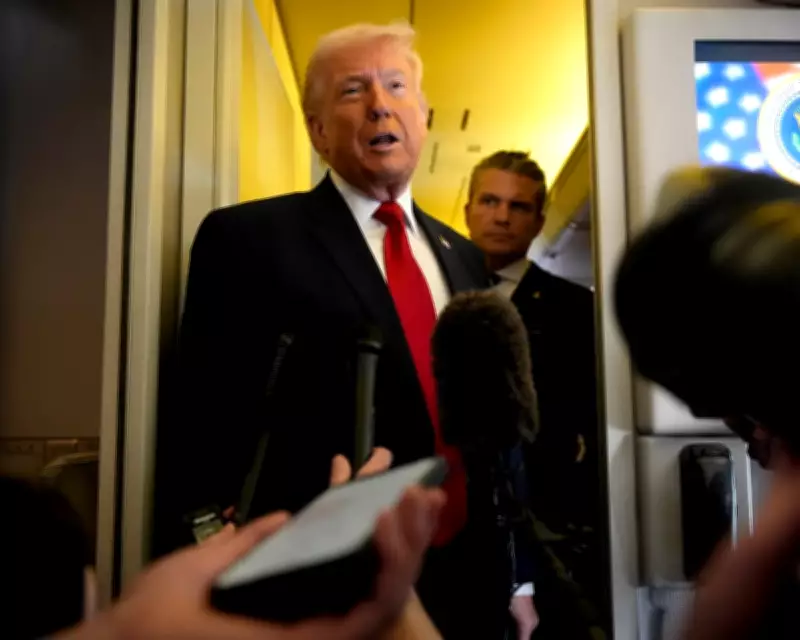
Trump's Proposal for Ground Troops in Iran Ignites Global Alarm
Former President Donald Trump has reportedly suggested deploying ground troops to Iran, a move that has sent shockwaves through the international community and heightened fears of a major military escalation in the Middle East. This proposal, emerging from discussions among his advisors, marks a significant shift in U.S. foreign policy and has drawn sharp criticism from global leaders and security experts.
Details of the Ground Troops Plan
According to sources close to the matter, Trump's plan involves a substantial deployment of U.S. ground forces to Iran, aimed at addressing perceived threats from the nation's nuclear program and regional activities. The proposal includes strategies for troop movements, logistical support, and potential engagement scenarios, though specific numbers and timelines remain undisclosed. This aggressive stance contrasts with previous diplomatic efforts and could destabilize an already volatile region.
International Reactions and Concerns
The announcement has prompted swift reactions from world powers, with many expressing deep concern over the potential for a broader conflict. European allies have called for restraint, emphasizing the need for dialogue over military action. Meanwhile, Middle Eastern nations are closely monitoring the situation, wary of the implications for regional security and stability. Critics argue that such a deployment could lead to a protracted war, with devastating humanitarian and economic consequences.
Implications for U.S. Foreign Policy
Trump's proposal signals a potential return to a more confrontational approach in U.S.-Iran relations, reversing recent efforts at de-escalation. Analysts warn that this could undermine international nuclear agreements and fuel tensions with other global actors. The plan also raises questions about the readiness of U.S. military forces and the political will to sustain a long-term engagement in the region.
Historical Context and Future Outlook
This development comes amid a history of strained relations between the U.S. and Iran, marked by sanctions, proxy conflicts, and diplomatic standoffs. As the situation evolves, observers are watching for further details on the proposal and its potential implementation. The global community remains on edge, hoping for a peaceful resolution to avoid another costly conflict in the Middle East.




