
Trump Dismisses Iran Ceasefire as War Intensifies with New Strikes
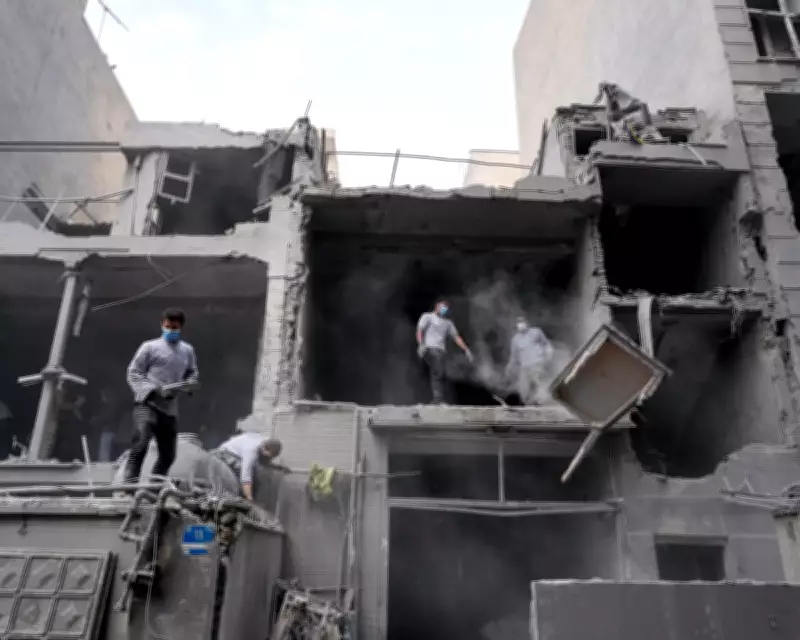
Donald Trump has declared that the United States is not prepared to negotiate a deal to end the ongoing US-Israeli offensive against Iran, asserting that while Tehran appears eager for a ceasefire, the current terms are insufficient. This statement comes amid a surge in military actions, with Iran launching fresh missile and drone attacks on Gulf nations and Israel, while US and Israeli warplanes conduct new waves of strikes on Iranian targets.
Global Impact of the Escalating Conflict
The conflict has thrown the Middle East into turmoil, severely disrupting global air travel and oil exports from the region, leading to a sharp rise in fuel prices worldwide. Despite a mounting death toll and soaring oil costs following the near-closure of the Strait of Hormuz, neither Tehran nor Washington shows signs of moderating their rhetoric. Trump, in a recent interview with NBC News, suggested the US might bomb Kharg Island, Iran's primary oil export facility, again "just for fun," after previous strikes there.
"Iran wants to make a deal, and I don't want to make it because the terms aren't good enough yet," Trump stated, adding that US forces plan to escalate attacks along the Iranian coast north of the strait to secure oil shipment routes. However, experts warn that reopening the Strait of Hormuz through military means alone will be extremely challenging as long as Iran retains capabilities to target shipping with missiles, drones, or small boats.
Diplomatic Efforts and Regional Fallout
Trump has called for international naval assistance to protect tankers in the strait, which typically handles about one-fifth of global oil and gas supplies, with over 600 ships currently trapped in the Red Sea. In response, Iran's foreign minister, Abbas Araghchi, urged other countries to avoid actions that could escalate the conflict, during a conversation with his French counterpart. Iran's new supreme leader, Mojtaba Khamenei, has vowed to keep the Strait of Hormuz closed, but Trump dismissed this, questioning Khamenei's control and even his survival, noting injuries from a strike that killed his predecessor.
On the ground, the Israeli military announced new strikes in western Iran after Iran's Revolutionary Guards labeled Prime Minister Benjamin Netanyahu a criminal and pledged to pursue him. In Tehran, witnesses report a semblance of normalcy returning, with increased traffic, reopened cafes, and about a third of stalls open in the Tajrish bazaar ahead of Nowruz, the Persian New Year. However, disruptions persist, such as paralyzed online banking operations at Bank Melli.
Humanitarian Crisis and Continued Violence
The International Committee of the Red Cross estimates over 1,300 deaths from US and Israeli strikes on Iran, including 223 women and 202 children, according to Iranian health ministry figures. The UN refugee agency reports up to 3.2 million people displaced within Iran, many fleeing cities for safety. Araghchi indicated Iran is open to proposals for a "complete end" to the war, with mediation efforts ongoing, though no progress has been confirmed independently.
Violence continues to flare across the region. The US has advised its citizens to leave Iraq amid attacks by pro-Iranian groups, and new strikes have targeted Kurdish factions. Bahrain and Saudi Arabia intercepted Iranian projectiles, while Iran accuses the US of using UAE facilities for strikes, a claim denied by Gulf countries. In Israel, 12 people have been killed by Iranian missile fire, with recent attacks causing injuries and loud interceptions in Jerusalem. Israel accuses Iran of using cluster munitions against civilians.
In Lebanon, over 800 deaths have been reported from Israel's offensive against Hezbollah, which joined the conflict to avenge the killing of Iran's previous supreme leader. Overnight strikes in southern Lebanon killed at least four people, including in residential areas. Israel's foreign minister, Gideon Sa'ar, denied reports of direct talks with Lebanon and affirmed alignment with the US, stating the goal is to eliminate long-term threats from Iran. At least 13 US military personnel have died since the war began, including six in a plane crash over Iraq.




