
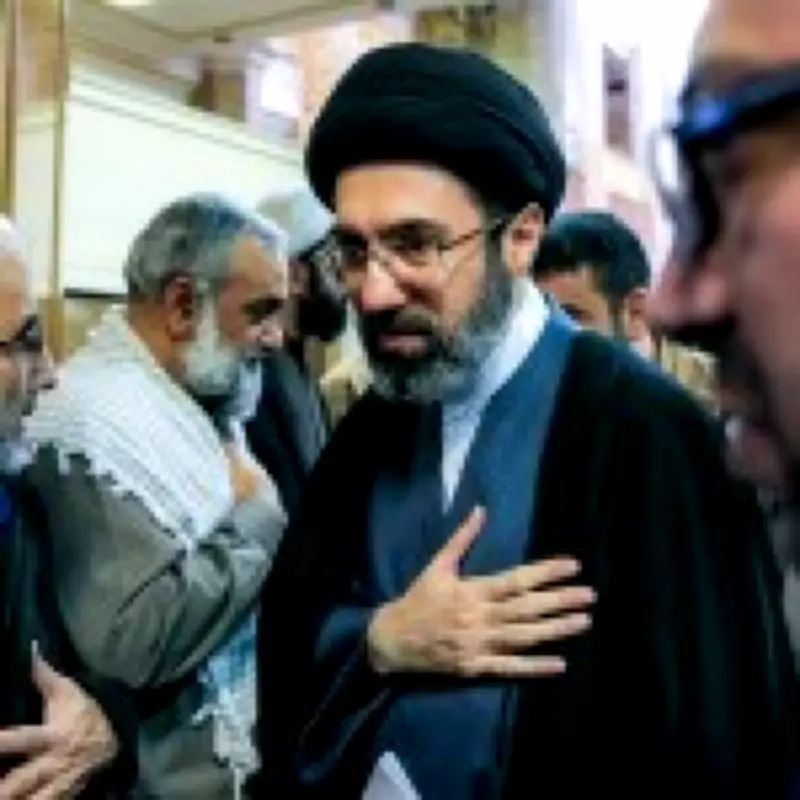
Trump Casts Doubt on Survival of Iran's New Supreme Leader
In a recent interview with NBC News, former President Donald Trump expressed uncertainty about the current status of Iran's newly selected supreme leader, Mojtaba Khamenei. Trump stated, "I don't know if he's even alive. So far, nobody's been able to show him." He further added, "I'm hearing he's not alive, and if he is, he should do something very smart for his country, and that's surrender." However, Trump also referred to these claims as rumors, highlighting the speculative nature of the information.
Background of the Leadership Transition
Mojtaba Khamenei was chosen to succeed his father, Ayatollah Ali Khamenei, as Iran's supreme leader last week. This decision came after a targeted assassination carried out by the United States and Israel at the onset of the conflict, which resulted in the death of the elder Khamenei and much of his family. The younger Khamenei has not made any public appearances since his appointment, fueling widespread speculation about his condition.
Absence from Public View and Official Statements
Notably, Mojtaba Khamenei did not appear on camera to deliver his first message of vengeance on Thursday. Instead, Iranian state media published a written statement attributed to him, which read, "I assure everyone that we will not refrain from avenging the blood of your martyrs." This lack of visual presence has raised questions about his health and whereabouts.
Reports suggest that Mojtaba Khamenei sustained injuries in the blast that killed his father. The extent of these injuries remains unclear, with accounts varying from a fractured foot and minor facial lacerations to more severe possibilities such as the loss of a leg or even being placed in a coma.
US Defense Secretary's Analysis
During a press conference on Friday, US Defense Secretary Pete Hegseth offered his perspective on the situation. He questioned why the new leader would issue a written statement instead of appearing publicly, stating, "Iran has plenty of cameras and plenty of voice recorders. Why a written statement?" Hegseth suggested that the death of Mojtaba's father might be a key factor, adding, "His father: dead; he's scared, he's injured, he's on the run, and he lacks legitimacy." He also mentioned that the younger Khamenei was "wounded and likely disfigured" following the military action.
Regional Tensions and Security Concerns
Iran may be hesitant to reveal the whereabouts of its new leader due to repeated threats from Israel. Before Mojtaba Khamenei's selection, Israeli Defense Minister Israel Katz declared that "every leader" appointed to lead the regime "will be an unequivocal target for elimination." This ongoing hostility adds to the complexity of the situation and may influence Iran's decision to keep its leader out of the public eye.
Trump's Views on Future Leadership
When asked about his preference for who might replace Mojtaba Khamenei if necessary, Trump indicated that there are potential candidates. He said, "We have people that are living that would be great leaders for the future of the country." However, he declined to specify if he was in contact with any such individuals, noting, "I don't want to put them in jeopardy." This statement reflects the delicate nature of international relations and the risks involved in such discussions.
The uncertainty surrounding Iran's new supreme leader continues to be a focal point in global politics, with implications for regional stability and diplomatic engagements. As rumors persist and official information remains scarce, the international community watches closely for further developments.




