Trump Reverses Iran War Goal, Now Prioritizes Oil Seizure Over Regime Change
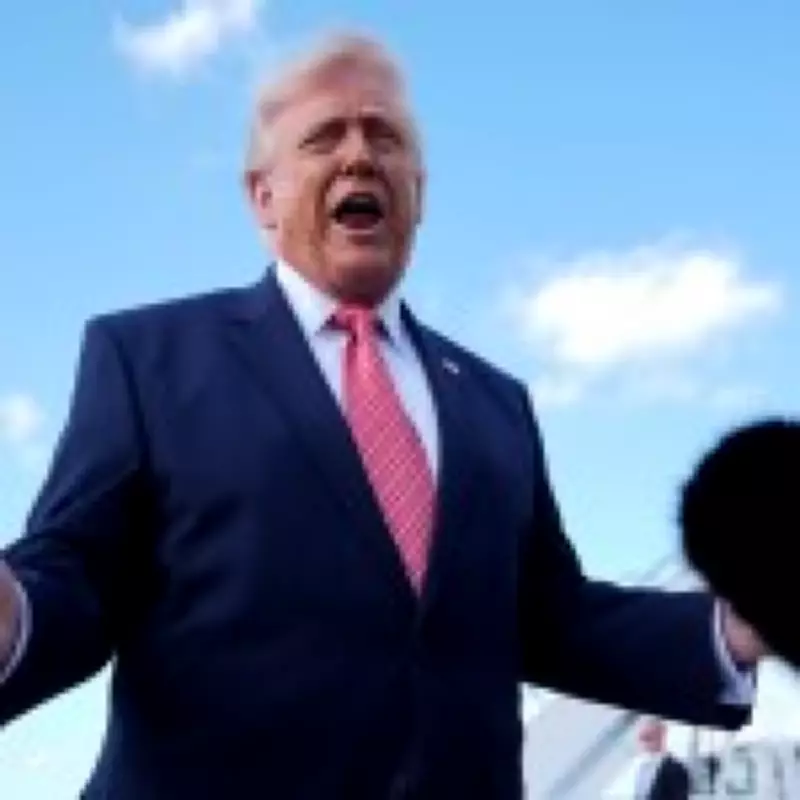
In a striking reversal of his previously stated war aims, former US President Donald Trump has declared that his "favourite thing" in the ongoing Iran conflict is to seize the nation's oil reserves, directly contradicting his earlier justifications for military engagement. This abrupt shift in strategic focus comes just one month after the initial strikes were launched, highlighting the volatile nature of Trump's foreign policy approach.
From Nuclear Concerns to Oil Ambitions
Trump had originally claimed that the war, initiated in collaboration with Israel at the end of March, was primarily intended to encourage regime change in Tehran and eliminate any potential for Iran to develop nuclear weapons. However, in a revealing interview with the Financial Times, Trump drew parallels between his current plans for Iran and the US operation in Venezuela earlier this year, which culminated in American control over that country's oil industry.
"To be honest with you, my favourite thing is to take the oil in Iran," Trump stated bluntly. He then dismissed domestic critics questioning this objective, labeling them "stupid people" who fail to grasp his strategic vision. The former president further suggested that the US could "very easily" capture Iran's Kharg Island, a strategically vital location in the Strait of Hormuz that serves as a crucial hub for oil exports, though he noted that multiple military options remain under consideration.
Military Escalation and Iranian Defiance
This rhetorical escalation coincides with tangible military buildup, as approximately 3,500 US troops arrived in the Middle East over the weekend, led by the warship USS Tripoli. This deployment includes sailors, marines, and various assault and transport assets, significantly increasing American military presence in the region as Trump intensifies pressure on Iran.
Iranian officials have responded with defiant rhetoric. Military spokesman Ebrahim Zolfaqari characterized the incoming American forces as being led "into the swamp of death," while parliamentary speaker Mohammad Bagher Ghalibaf warned that Iranian forces are prepared to "set them on fire" upon their arrival. Despite these threats, Trump claimed in his interview that Ghalibaf had actually authorized safe passage for US tankers through the Strait of Hormuz, presenting it as a "present" from the Iranian leadership.
Strategic Setbacks and Economic Fallout
The conflict has already resulted in significant strategic losses for the United States. Over the weekend, an Iranian strike on Saudi Arabia's Prince Sultan air base destroyed a $500 million E-3 Sentry aircraft, a sophisticated jet equipped with vital radar capabilities that represented a crucial asset for US operations in the region. The attack also injured at least twelve American soldiers, two of them seriously, underscoring the human cost of the escalating confrontation.
Meanwhile, the economic repercussions are becoming increasingly apparent. Brent crude oil prices surged above $116 per barrel in Asian markets, positioning the commodity for its largest monthly gain on record. This price spike reflects growing market anxiety about potential disruptions to global oil supplies stemming from the conflict.
International Diplomatic Response
British Prime Minister Keir Starmer is preparing to convene emergency meetings with business leaders at Downing Street to address the potential economic damage resulting from the Iran conflict. Senior representatives from the energy, shipping, and financial services industries are expected to attend, alongside British maritime operations commander Major General Richard Cantrill, as the UK government seeks to mitigate the impact of the crisis on global markets and supply chains.
The situation remains fluid, with Trump's shifting objectives adding another layer of uncertainty to an already volatile geopolitical landscape. As military deployments continue and economic pressures mount, the international community watches closely for further developments in this escalating confrontation between the United States and Iran.