Trump Floats Military Option to Secure Iran's Hidden Uranium Cache
In a startling revelation, former U.S. President Donald Trump has indicated he might authorize the deployment of American troops to reclaim a substantial stash of uranium buried by Iran during the intense 12-day conflict between the two nations last year. This statement, made during a recent interview, underscores the ongoing geopolitical tensions and the precarious status of nuclear materials in the region.
The Buried Uranium: A Legacy of Last Year's Strikes
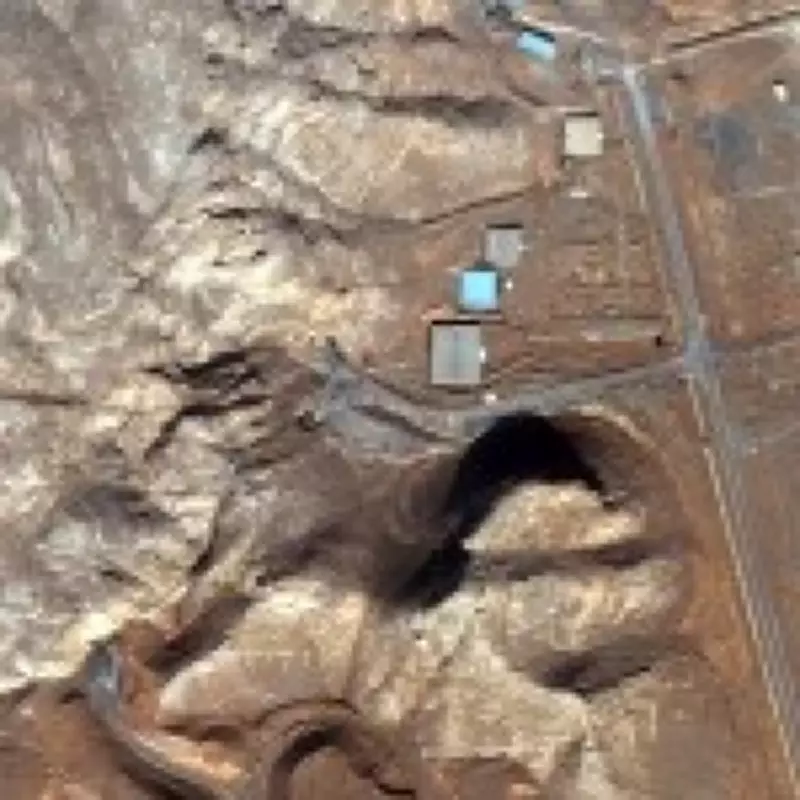
According to reports from The New York Times, following U.S. airstrikes on alleged nuclear facilities in Iran in 2025, a significant quantity of uranium was effectively 'entombed' at a site near Isfahan. While access to this material is currently challenging, there are growing fears that Iran could exploit a 'narrow point' to retrieve it, potentially advancing its nuclear capabilities. Trump, when questioned about sending ground forces to secure the uranium, remarked, 'Right now we're just decimating them, but we haven't gone after it. But something we could do later on. We wouldn't do it now.' This cautious approach reflects the high risks involved, as the U.S. previously avoided retrieval efforts due to safety concerns.
Iran's Nuclear Ambitions and International Scrutiny
The situation is further complicated by Iran's uranium enrichment activities. U.S. intelligence estimates that Iran possesses approximately 970 pounds of enriched uranium, with a large portion located at the Isfahan site. Although both the U.S. and the International Atomic Energy Agency (IAEA) have stated that Iran halted its nuclear weapons development program in 2003, recent years have seen Tehran resume enrichment, reaching near weapons-grade levels of 60%. This makes Iran the only country without a nuclear weapons program to achieve such high enrichment. The 2015 nuclear deal limited Iran to enriching uranium up to 3.67% purity and maintaining a stockpile of 300kg, but these restrictions have been largely disregarded since the agreement's collapse.
Last June's U.S. strikes targeted three key enrichment plants at Fordow, Natanz, and Esfahan, but Iran has since barred UN inspections at these damaged facilities, raising alarms about transparency and compliance. The IAEA reports that Iran has about 400kg of uranium enriched to 60%, which, if further refined to 90%, could yield material for up to 10 nuclear warheads. However, experts note that building a functional warhead and delivery system would require additional time and resources.
Broader Implications and Regional Dynamics
The potential for military intervention adds a new layer of complexity to the already volatile U.S.-Iran relationship. The U.S. and Israel have conducted numerous operations against Iran's military and nuclear infrastructure, aiming to curb its capabilities. Meanwhile, organizations like Iran Watch warn that Iran could enrich enough uranium for one weapon in as little as four months, highlighting the urgency of diplomatic or strategic actions. As global powers monitor the situation, the debate over how to manage Iran's nuclear program continues, with Trump's comments signaling a possible shift toward more aggressive tactics if tensions escalate further.