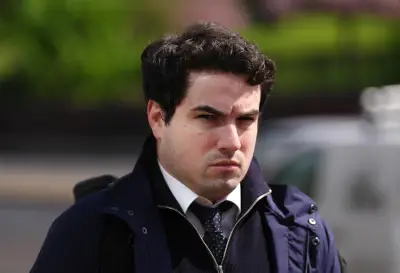
A damning parliamentary report has concluded that 'systemic failures' and a 'shambolic' process led to the collapse of a high-profile prosecution against two men accused of spying for China.
A Case Beset by Confusion
The Joint Committee on the National Security Strategy (JCNSS) published its findings after a six-week investigation into why charges against Christopher Cash, a former parliamentary researcher, and Christopher Berry, a teacher, were dropped. The Crown Prosecution Service (CPS) unexpectedly abandoned the case, brought under the 1911 Official Secrets Act, on 15 September.
The CPS stated at the time that the government had not provided sufficient evidence to prove China posed a 'threat to the national security of the UK', a legal requirement for the charges. The committee's report, however, paints a picture of a process 'beset by confusion and misaligned expectations' between the government and prosecutors.
Missed Opportunities and Questionable Judgement
The MPs identified several critical failures. They found communication between the government and the CPS was 'inadequate' and that 'several opportunities to correct course were missed'. The report is particularly critical of prosecutorial judgement.
It questioned why the CPS decided a July 2024 ruling on a separate Bulgarian spy case had 'altered the legal landscape so significantly' as to force a change in approach. The committee also expressed surprise that the CPS deemed government evidence insufficient, despite it outlining how China posed a range of active threats to UK security.
Furthermore, the report stated that government processes for escalating issues were unclear and that 'the level of senior oversight' from ministers and security advisers was 'insufficiently robust'.
No Evidence of Conspiracy, But a Crisis of Confidence
Despite intense speculation, the committee said it found no evidence of a 'coordinated high-level effort to collapse the prosecution' or of political interference. It dismissed claims by some senior Conservatives, stating the Attorney General, Richard Hermer, had 'acted with constitutional propriety'.
Nevertheless, the MPs warned the episode had exposed flaws that created 'a crisis of public confidence' and fuelled allegations of conspiracy. The report rejects attempts to blame the failure solely on the outdated Official Secrets Act, as some ministers have done.
The committee has made key recommendations to prevent a repeat, including:
- Reforming how the government communicates with the CPS on sensitive cases.
- Establishing a formal case 'conference' within 30 days of charges being brought in such cases.
- Tasking the Cabinet Office and security services to formalise handling principles with the CPS within six months.
A CPS spokesperson said they would review the recommendations, reiterating that decisions are made independently based on law and evidence. A government spokesperson welcomed the clearing of interference allegations but expressed disappointment the case did not reach trial.