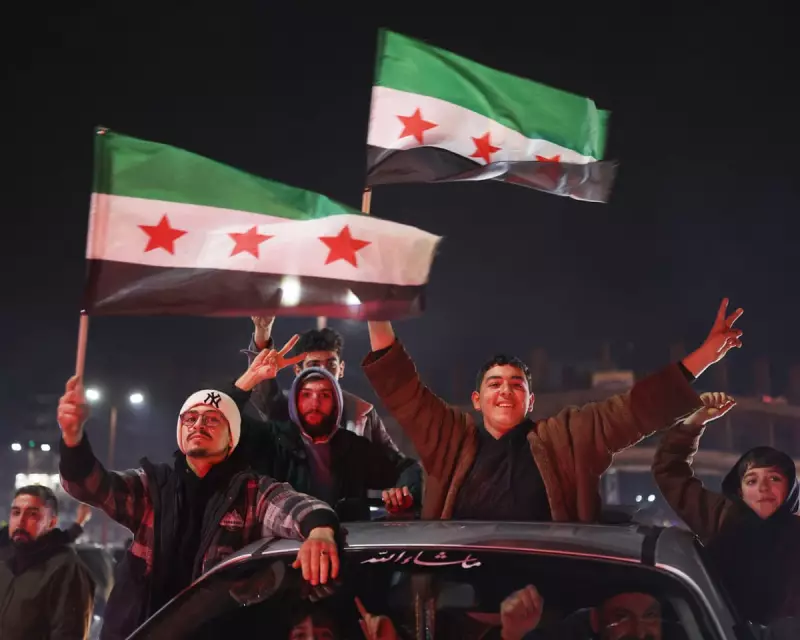
The government of Syria has formally declared a significant military and political victory, following the successful negotiation of a ceasefire agreement with the Kurdish-led Syrian Democratic Forces (SDF). This development marks a pivotal moment in the nation's long-running conflict, potentially reshaping control over northeastern territories.
Terms of the Ceasefire Agreement
The ceasefire, which came into effect on Monday, 19 January 2026, was brokered after intense discussions between representatives of the Damascus government and the SDF. The core of the agreement involves the integration of SDF fighters into state-backed military formations. Specifically, the deal stipulates that these forces will be incorporated into a new unit named the "Fifth Corps".
This newly formed corps will operate under the joint command of the Syrian defence ministry and Russian military advisors who are present in the country. In a key concession, the Syrian government has agreed to a partial amnesty for SDF personnel, shielding them from conscription into the regular Syrian Arab Army for a period of six months.
Strategic Implications for Regional Control
The agreement effectively consolidates the Syrian state's authority over areas rich in oil and agricultural resources, which were previously administered by the SDF. This includes major population centres and economic hubs in the northeast. The deal is seen as a strategic manoeuvre by Damascus to unify the country under its control after years of fractured rule during the civil war.
Analysts suggest this move significantly weakens the autonomous administration that was established by Kurdish groups and their allies. The integration of the SDF, which was a primary ally of the United States-led coalition in the fight against the Islamic State, represents a major realignment of loyalties and power structures on the ground.
Reactions and Future Challenges
While the Syrian presidency has hailed the ceasefire as a "historic step towards comprehensive national reconciliation," reactions have been mixed. Some local stakeholders express cautious optimism about a potential reduction in violence, but others fear a gradual erosion of hard-won Kurdish rights and autonomy.
The long-term success of this arrangement faces several substantial challenges:
- Implementation Hurdles: Merging formerly opposing forces into a cohesive command structure will be a complex and potentially volatile process.
- Turkish Opposition: Turkey, which views the SDF's main Kurdish component as a terrorist organisation, has strongly condemned the agreement, raising the risk of renewed cross-border operations.
- Human Rights Concerns: International observers have raised questions about the safety and political future of Kurdish officials and civilians under the central government's rule.
This ceasefire does not signify an end to all conflict in Syria, but it undoubtedly marks one of the most consequential shifts in the conflict's trajectory in recent years. The coming months will be critical in determining whether this deal leads to stable governance or becomes a source of new tensions within the newly integrated forces and the communities they represent.