
Sydney Police Deploy Remote-Controlled Drones in Distant Town of Moree
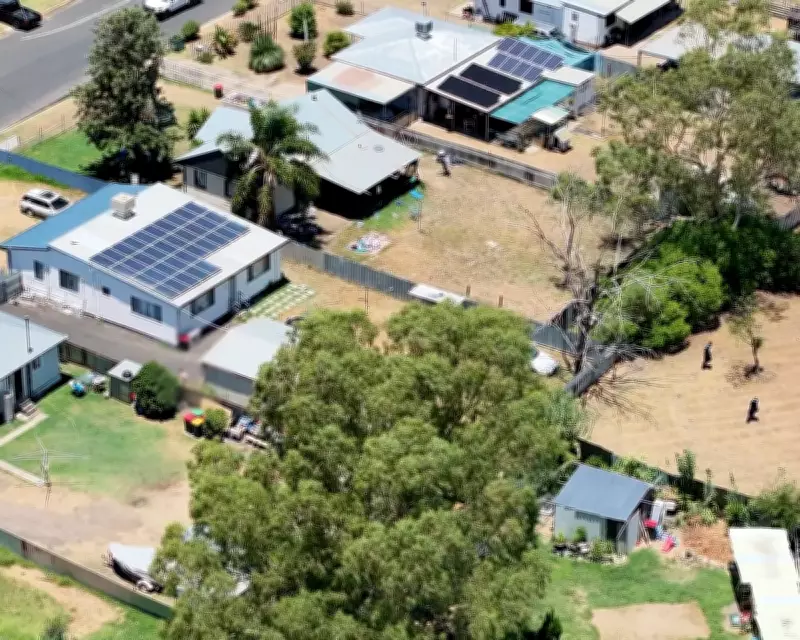
In a groundbreaking Australian trial, New South Wales police are operating surveillance drones from Sydney to monitor and pursue suspects in Moree, a regional town located 500 kilometers away. The initiative, dubbed "PolAir-Remote," involves two drones housed in self-contained boxes on the roof of Moree police station, launched and controlled remotely from the state capital.
Arrests and Operations Under Remote Surveillance
The trial began in early January, with police reporting seven arrests during a four-day drone operation in February. In one notable incident, a man was captured on drone footage jumping fences and running through backyards in Moree before being apprehended for an alleged machete attack. Police claim the drones enhance response times and officer safety, with Deputy Commissioner Paul Pisanos stating the technology "does prove the concept" of protecting the community.
NSW Police Commissioner Mal Lanyon describes Moree as the "perfect location" for the trial due to its remoteness from the Sydney control unit. However, the drones recharge automatically when docked, enabling continuous operation without local intervention.
Privacy Concerns and Legal Scrutiny
Despite police assurances that the program is "not about surveillance," legal and civil liberties advocates express deep concerns. Timothy Roberts, president of the NSW Council for Civil Liberties, argues that flying drones over residential areas and private backyards constitutes surveillance, demanding clarity on data storage and deletion policies.
Jonathan Hall Spence, principal solicitor at the Justice and Equity Centre, emphasizes the need for police to explain the legal framework, warning that the trial could undermine privacy protections. Police maintain they will adhere to the Surveillance Devices Act, but critics question how privacy rights will be balanced with investigative needs.
Impact on Aboriginal Community and Historical Context
The choice of Moree for the trial has sparked controversy, given the town's high Aboriginal population and history of racial segregation. Lauren Stefanou, principal solicitor at the Aboriginal Legal Service, criticizes the deployment of "intrusive and untested technology" on a community with limited power to object, risking further damage to police-community relations.
Hall Spence notes that police powers have historically been "disproportionately exercised against First Nations people," raising fears of over-surveillance and harassment. Darrel Smith, CEO of Miyay Birray Youth Services, acknowledges potential benefits but highlights widespread distrust, with many locals perceiving the drones as targeting specific groups.
Community Reactions and Broader Implications
Local opinions are divided. Moree Mayor Susannah Pearse reports that residents are "fed up" with crime and welcome the trial, while business owner Katrina McKenzie remains cautious about its effectiveness in deterring youth crime. MP Brendan Moylan notes positive feedback, citing community support for crime reduction efforts.
However, critics point to declining youth crime rates in Moree and across NSW, questioning the necessity of such surveillance. Stefanou references a 2022 report linking over-policing to high Indigenous incarceration rates, advocating for community-led solutions like Just Reinvest NSW instead.
Police Minister Yasmin Catley defends the drones as a "tool in the toolbox" for combating youth crime, with plans to expand the program to other regional hotspots like Kempsey. The NSW government has committed $112 million to early intervention programs for First Nations people, but the drone trial continues to fuel debates over policing, privacy, and social equity.




