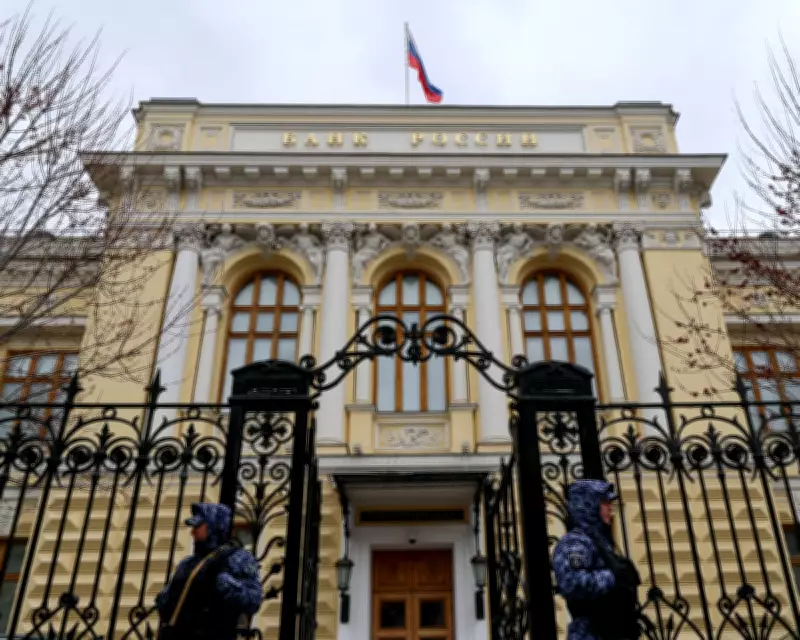
In a significant shift of defensive strategy, Russia has instructed its banks to independently shoot down drones, as attacks on financial infrastructure escalate. The directive, reported by state media, comes amid a wave of drone strikes targeting Russian financial institutions, which have caused disruptions and raised security concerns.
New Directive for Financial Institutions
According to sources, the Russian government has authorized banks to use counter-drone technology to neutralize aerial threats. This marks a departure from previous protocols, where such actions were exclusively handled by military or law enforcement agencies. Banks are now expected to deploy electronic warfare systems or other means to disable drones approaching their premises.
The move underscores the severity of drone attacks on Russia's financial sector. In recent weeks, several banks have reported drones dropping explosives or conducting surveillance, prompting urgent calls for enhanced security measures. The directive aims to minimize damage and protect sensitive financial data.
Implications for Civilian Safety
Experts warn that arming civilian institutions with drone-defense capabilities carries risks. Malfunctions or misidentification could lead to unintended casualties or property damage. However, Russian authorities argue that the measure is necessary to safeguard critical infrastructure.
The instruction also raises questions about the legal framework governing civilian use of force against drones. International law typically restricts such actions to state security forces, but Russia's evolving tactics reflect the changing nature of modern warfare.
Escalating Drone Warfare
Ukraine has increasingly used drones to target Russian territory, focusing on energy and financial hubs. These attacks are part of Kyiv's strategy to disrupt Russia's war economy and morale. Moscow has responded by bolstering air defenses but has struggled to intercept all threats, particularly at low altitudes.
The banking sector's new role in drone defense may set a precedent for other critical industries. Analysts suggest that similar measures could be extended to energy companies, transportation hubs, and government buildings.
International Reaction
The directive has drawn mixed reactions internationally. Some Western officials criticize the move as a dangerous escalation, while others view it as a pragmatic response to an unconventional threat. The United Nations has called for restraint and adherence to international humanitarian law.
As the conflict continues, both sides are adapting their tactics. Russia's decision to involve banks in drone defense highlights the blurring lines between civilian and military roles in modern conflict zones.