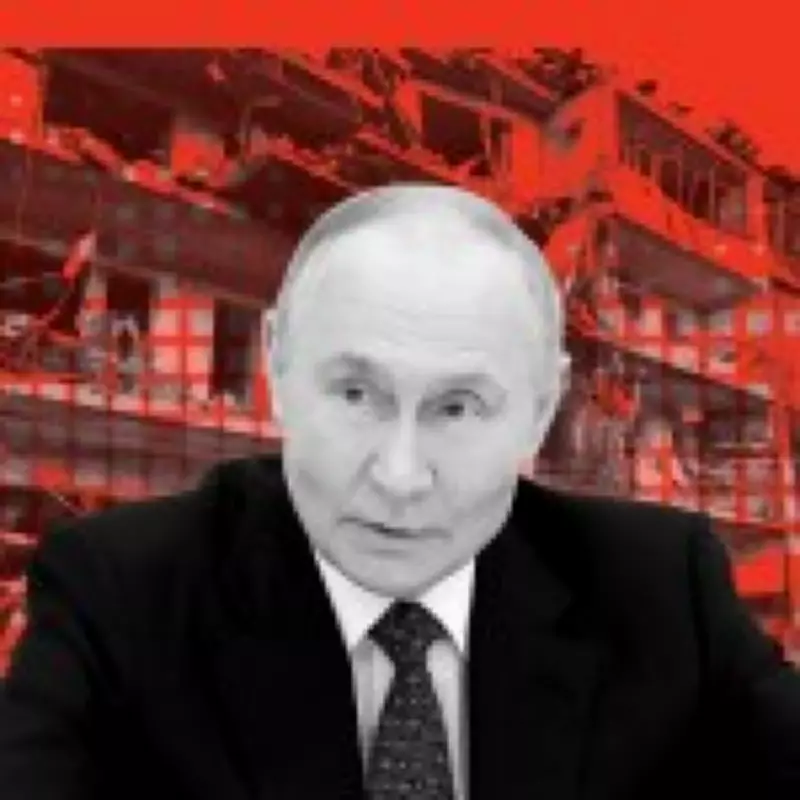
Russia Alleges Western Nuclear Plot on Invasion Anniversary
Russia has marked the fourth anniversary of its full-scale invasion of Ukraine with explosive claims that the United Kingdom and France are preparing to escalate the conflict through nuclear means. The Russian Foreign Intelligence Service, known as the SVR, released a public notice alleging it has obtained information indicating both nations intend to supply Ukraine with what it described as a 'wunderwaffe' weapon.
Intelligence Claims and Western Response
The SVR statement asserted that Kyiv would gain significant leverage in peace negotiations if it possessed either a nuclear bomb or a so-called 'dirty bomb.' The intelligence agency specifically noted that Berlin had 'wisely declined to participate in this dangerous adventure,' suggesting Germany had been approached but refused involvement.
According to the Russian intelligence assessment, this alleged plan emerged from Western recognition that the current military situation in Ukraine offers no path to victory over Russia. The SVR further claimed the West would attempt to conceal any nuclear transfer by making it appear as though Ukraine had developed the capability independently.
A spokesperson for the UK Ministry of Defence declined to comment directly on what they characterized as 'Russian disinformation,' though sources indicate there are no plans within British defense circles to supply Ukraine with nuclear weapons.
Russian Leadership Reactions
Dmitry Peskov, the primary spokesman for President Vladimir Putin, declared that any such nuclear transfer would be considered a joint attack on Russia and demanded both national and international investigations into the allegations. Meanwhile, Putin ally and former president Dmitry Medvedev took an even more aggressive stance, arguing that such action would force Russia to use nuclear weapons against Ukraine and potentially against the supplier countries themselves.
Medvedev stated that nations providing nuclear weapons would become 'complicit' and face potential nuclear retaliation. This rhetoric continues a pattern of nuclear threats from Russian leadership that has persisted throughout the four-year conflict.
Historical Context and Current Realities
Ukraine actually possessed nuclear weapons following the dissolution of the Soviet Union but voluntarily relinquished them in December 1994 in exchange for security guarantees from multiple nations including the United Kingdom, United States, and Russia itself. In October 2024, Ukrainian President Volodymyr Zelensky reflected that this decision appeared misguided in hindsight following the Russian invasion.
However, Zelensky clarified that given the choice between nuclear deterrence and NATO membership for security, he would consistently choose NATO integration. This position highlights Ukraine's continued pursuit of collective security arrangements rather than independent nuclear capability.
Pattern of Nuclear Posturing
Throughout the conflict, it has been Russian leadership rather than Western nations that has repeatedly invoked nuclear threats. In September 2022, Medvedev asserted Russia's right to use nuclear weapons for self-defense if pushed beyond certain limits, emphasizing this was 'certainly not a bluff.' Two years later, Putin personally told senior officials that Russia would consider nuclear retaliation if attacked directly, even with conventional weapons.
The Ukrainian government has consistently dismissed these statements as blackmail and intimidation tactics designed to influence Western support and Ukrainian morale. The latest SVR allegations appear to continue this pattern of nuclear rhetoric as the conflict enters its fifth year with no clear resolution in sight.
As the war anniversary passes, these dramatic claims highlight the ongoing tension between factual military developments and psychological warfare elements in the protracted conflict. The nuclear dimension remains particularly sensitive given historical precedents and current geopolitical alignments.