
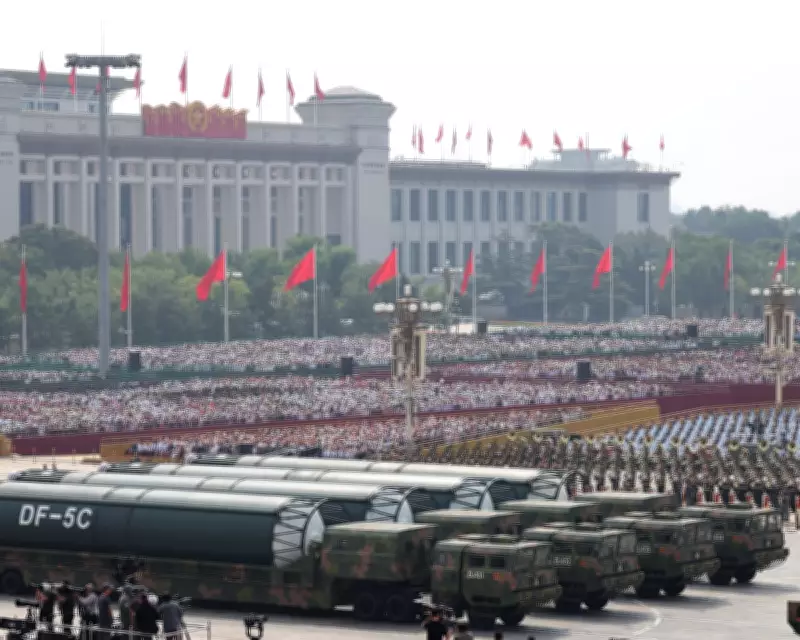
In a concerning development for global stability, treaties designed to limit the proliferation of nuclear weapons are facing significant failures, according to recent reports. This situation underscores mounting challenges in international diplomacy and arms control efforts, with potential implications for worldwide security frameworks.
Escalating Threats to Global Security
The apparent breakdown of these critical agreements comes at a time when geopolitical tensions are on the rise in various regions. Experts warn that the inability to effectively enforce non-proliferation measures could lead to an increased risk of nuclear arms races among nations, destabilising long-standing peace initiatives.
Diplomatic Efforts Under Strain
Key diplomatic channels, which have historically played a pivotal role in negotiating and maintaining these treaties, are now under considerable strain. The failures highlight gaps in international cooperation and the need for renewed multilateral engagement to address evolving security threats.
Observers note that several factors contribute to this troubling trend, including shifting political alliances, economic pressures, and technological advancements that complicate monitoring and compliance. Without robust mechanisms to adapt treaties to contemporary challenges, their effectiveness continues to diminish.
Implications for Future Arms Control
The shortcomings in current non-proliferation frameworks raise urgent questions about the future of global arms control. Stakeholders are calling for comprehensive reviews and potential reforms to strengthen existing agreements or develop new ones that can better address modern proliferation risks.
This scenario emphasises the critical importance of sustained international dialogue and commitment to preventing the spread of nuclear weapons. As treaties falter, the global community must prioritise collaborative solutions to safeguard against heightened security threats.




