
NASA Reveals Details of Medical Incident Prompting Historic ISS Evacuation
NASA has publicly shared comprehensive details regarding a medical incident aboard the International Space Station (ISS) that necessitated the first medical evacuation in the station's 25-year operational history. This unprecedented event underscores the inherent risks and human vulnerabilities associated with space exploration.
The Incident and Immediate Response
On January 7, 2026, astronaut Mike Fincke experienced a medical event that required urgent attention from his crewmates. In a statement released by NASA, Fincke described the situation, emphasizing the critical role of his team. "I experienced a medical event that required immediate attention from my incredible crewmates," he stated. "Thanks to their quick response and the guidance of our NASA flight surgeons, my status quickly stabilised."
Following stabilization, NASA determined that the safest course of action was to evacuate Fincke and the entire Crew-11 team from the ISS. This decision was driven by the need for advanced medical imaging capabilities, which are not available on the space station. Fincke clarified that this was "not an emergency but a carefully coordinated plan," highlighting the methodical approach taken to ensure safety.
Crew Evacuation and Return to Earth
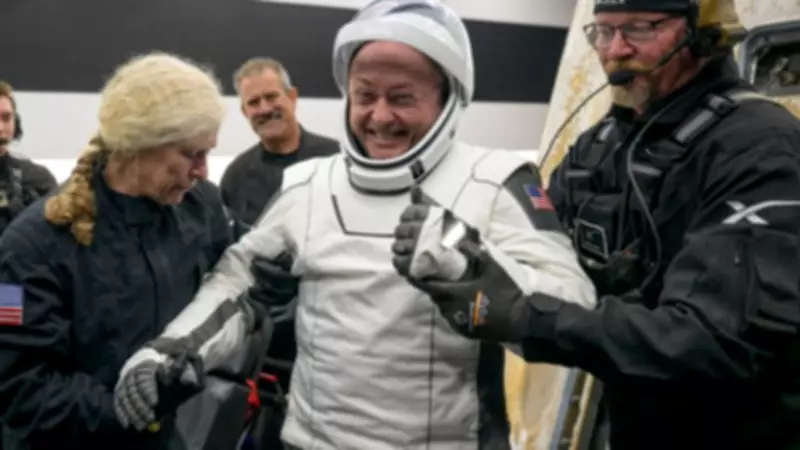
The evacuation involved Crew-11, which consisted of NASA astronaut Zena Cardman, Japanese astronaut Kimiya Yui, and Russian cosmonaut Oleg Platonov, alongside Fincke. After spending five and a half months on the ISS, the crew safely splashed down on January 15, 2026. Upon return, Fincke expressed gratitude to his crew, NASA, SpaceX's team, and his medical professionals. He reported that he is doing "very well and continuing standard post-flight reconditioning" at NASA's Johnson Space Center in Houston.
Reflecting on the experience, Fincke remarked, "Spaceflight is an incredible privilege and sometimes it reminds us just how human we are." NASA administrator Jared Isaacman later described the incident as a "serious situation" in orbit but confirmed that the affected crew member had remained safe and stable throughout.
Impact on ISS Operations and Recovery
The evacuation reduced the ISS crew to only three members: one American and two Russians. This led NASA to temporarily pause spacewalks and curtail research activities to manage the reduced manpower. However, normal operations resumed in February 2026 when four new astronauts joined the station, restoring full crew capacity and resuming standard research output.
This event marks a significant moment in space history, illustrating the challenges of managing medical emergencies in microgravity and the robust protocols in place to address them. It serves as a reminder of the ongoing need for advanced medical support and evacuation strategies in long-duration space missions.




