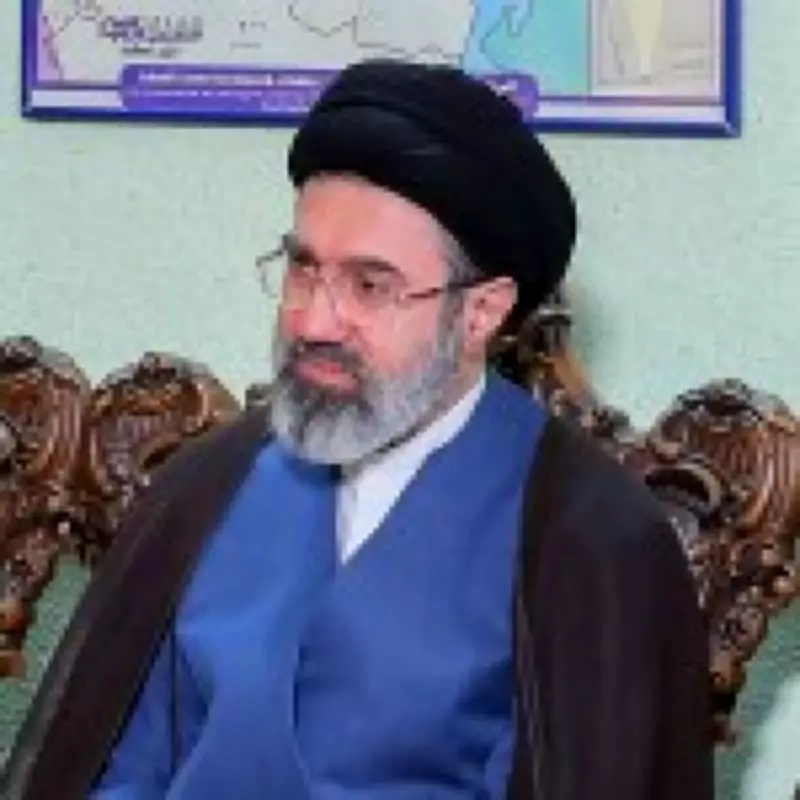
Iran Appoints Mojtaba Khamenei as New Supreme Leader Amid Ongoing Conflict
In a pivotal development, Iran has officially named Mojtaba Khamenei as the new Supreme Leader, succeeding his father, Ayatollah Ali Khamenei, who was killed in an Israeli airstrike at the onset of the war. This announcement follows a period of secrecy and internal discord within the Islamic Republic, as the 88-seat Assembly of Experts deliberated on the succession. Mojtaba Khamenei, a previously low-profile figure, now assumes control over Iran's military and paramilitary forces, including the powerful Revolutionary Guard, which answers directly to him. His wife, Zahra Haddad Adel, also perished in the same strike that claimed his father's life, adding a personal dimension to this political transition.
Background and Rise to Power
Born in 1969 in Mashhad, Mojtaba Khamenei grew up during his father's activism against Shah Mohammad Reza Pahlavi, experiencing the turmoil of the 1979 Islamic Revolution firsthand. After the fall of the Shah, the family relocated to Tehran, where his father later fought in the Iran-Iraq War and ascended to the supreme leadership in 1989. Mojtaba's influence expanded alongside his father's, granting him access to billions of dollars through Iran's bonyads, state-funded foundations. U.S. diplomatic cables from WikiLeaks in the late 2000s dubbed him "the power behind the robes," highlighting his behind-the-scenes role as an aide-de-camp, confidant, and power broker. He has maintained close ties with the Revolutionary Guard, collaborating with both the Quds Force and the Basij militia, which suppressed protests in January.
Implications for the War and Nuclear Policy
The appointment of Mojtaba Khamenei comes at a critical juncture, with Iran engaged in a 12-day war against Israel and facing a broader U.S.-Israeli campaign aimed at dismantling its nuclear and military capabilities. As supreme leader, he holds ultimate authority over all state matters, including war strategy and the stockpile of highly enriched uranium that could be weaponized. His candidacy faced criticism for potentially establishing a hereditary theocracy, reminiscent of Iran's former monarchy. Notably, former U.S. President Donald Trump publicly denounced Mojtaba as "a lightweight" and insisted on involvement in the selection process, suggesting heightened targeting risks if the conflict persists. Trump's remarks, referencing his operation against Nicolas Maduro, underscore the geopolitical tensions surrounding this leadership change.
Future Challenges and Global Reactions
Mojtaba Khamenei's leadership is poised to shape Iran's response to ongoing hostilities, with the Revolutionary Guard now under his direct command. The war effort seeks not only to curb Iran's nuclear ambitions but also to inspire internal uprising against the theocratic regime. Analysts warn that his past associations and Trump's discontent could escalate threats to his security. Meanwhile, the Assembly of Experts' decision reflects efforts to consolidate power amid internal rifts, as Iran navigates a complex landscape of military engagement and diplomatic isolation. This transition marks a significant shift in Iran's governance, with potential ramifications for regional stability and international relations.