
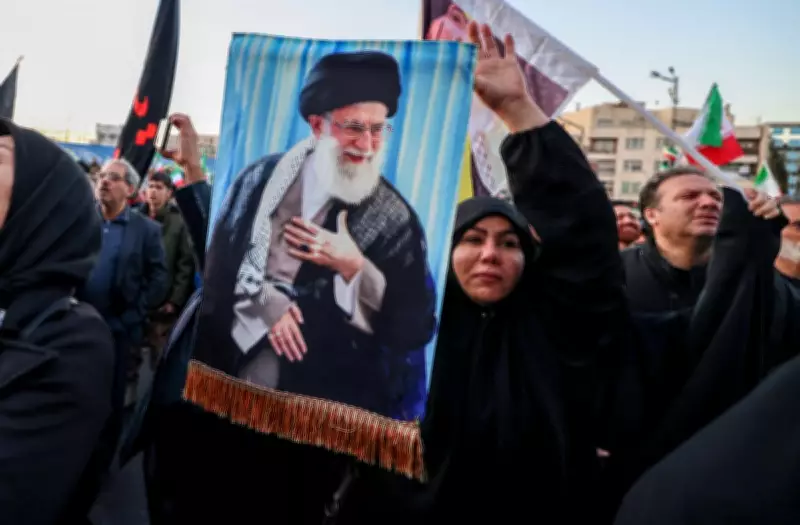
A series of missile strikes between Iran and Israel over the Lunar New Year weekend has dramatically escalated tensions in the Middle East, casting a shadow over global celebrations. The exchange, which occurred amidst a period of heightened regional instability, was captured in a collection of powerful photographs that illustrate the stark contrast between festive observances and the realities of conflict.
Escalation During a Festive Period
The strikes, reportedly involving multiple launches, took place during what is traditionally a time of family gatherings and cultural festivities for many communities worldwide. This timing has underscored the persistent volatility in the region, with both nations engaging in military actions that have drawn international concern. Analysts note that such escalations during symbolic periods can have profound implications for diplomatic relations and regional security dynamics.
Photographic Evidence of Conflict
The released photos provide a visceral glimpse into the events, showing missile trails lighting up the night sky and the immediate aftermath in affected areas. These images serve as a poignant reminder of the human and geopolitical costs of the ongoing strife, juxtaposed against the backdrop of Lunar New Year celebrations occurring simultaneously in other parts of the world. The visual documentation has sparked widespread media coverage and public discourse on the conflict's broader impacts.
International Reactions and Implications
Global leaders have issued statements urging de-escalation, emphasizing the need for dialogue to prevent further hostilities. The strikes have prompted renewed calls for diplomatic interventions, with some experts warning of potential ripple effects on global energy markets and international security. The incident highlights the fragile nature of peace in the Middle East and the challenges in managing cross-border tensions during culturally significant times.
As the situation continues to develop, observers are closely monitoring for any further military movements or diplomatic breakthroughs. The Lunar New Year weekend, intended as a time of renewal and hope, has instead become a period marked by heightened alert and uncertainty in the region, reflecting the complex interplay between cultural traditions and geopolitical realities.




