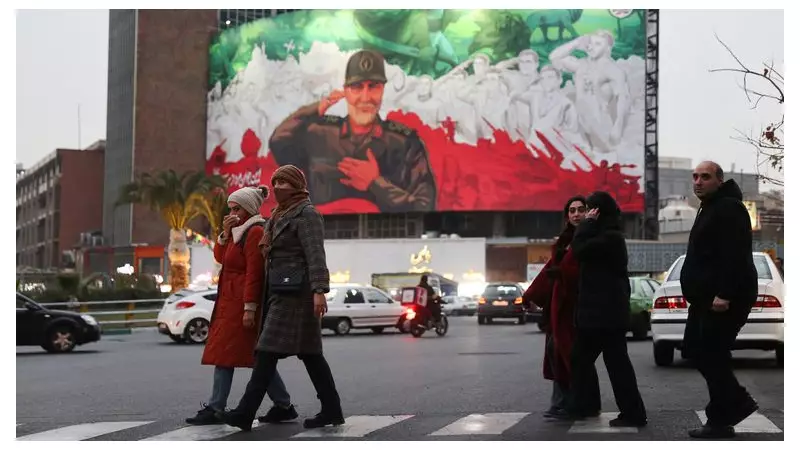
The UK's Transport Secretary has pointedly declined to comment on whether the government would support potential American military action against Iran, as protests against the regime continue to grip the country.
Minister Refuses to be Drawn on US Plans
Speaking on Sunday Morning with Trevor Phillips on 11 January 2026, cabinet minister Heidi Alexander repeatedly avoided answering whether Britain would back the United States if it decided to intervene aggressively in Iran. The protests, which began over economic failures, have escalated into a significant challenge to the government itself.
Ms Alexander stated that her priority was to "stem the violence" but would not be drawn on allied foreign policy. "I'm not going to get into commentary on the comments from another country about their foreign policy or military plans. I'm simply not going to do it," she said.
This stance maintains the UK government's position of issuing statements supporting the Iranian protesters while steering clear of endorsing external military intervention.
Conservative Leader Advocates for Coalition Action
In stark contrast, Conservative leader Kemi Badenoch has indicated she would support UK involvement in military action under specific conditions. In an interview with the BBC's Sunday with Laura Kuenssberg, Ms Badenoch described Iran as a hostile state that would "very happily wipe out the UK if it felt it could get away with it."
She suggested that action similar to previous RAF airstrikes against ISIS in Syria, conducted alongside allies like France, could be a model. "I think this has to be something that we do with a broad coalition of countries," she stated, adding that she did not "have an issue with removing a regime that is trying to harm us."
Her comments gain context after US President Donald Trump said Iran was "looking for freedom" and he stood "ready to help," following his administration's capture of Venezuela's Nicolas Maduro and last summer's US airstrikes against Iran.
Growing Unrest and Domestic Political Divergence
The protests, which began on 28 December, represent the most serious uprising against Supreme Leader Ayatollah Ali Khamenei's rule in years. According to the US-based Human Rights Activists News Agency, the death toll has risen to at least 116 people, with over 2,600 detained, despite internet blackouts.
Meanwhile, Tory MP and former security minister Tom Tugendhat argued the UK "shouldn't be involved on the ground," stating "This is a matter for the Iranian people."
The differing views highlight a clear split within UK political circles on how to respond to the crisis, balancing national security concerns with the principles of sovereignty and non-intervention.