Kyiv's Winter of Despair: Residents Battle Cold as Russia Targets Energy Grid
In the heart of Kyiv, Natalya Pavlovna watches her two-year-old son, Danylo, play with Lego inside a warm tent, a temporary refuge from the biting cold outside. This emergency facility, located in the Troieshchina district on the left bank of the Dnipro River, offers a brief respite for families grappling with a severe energy crisis. Outside, temperatures plummet to -18°C, with bright sunshine and snow painting a stark contrast to the warmth within. Natalya voices the grim reality: "Russia is trying to break us. It's deliberate genocide against the Ukrainian people. Putin wants us to capitulate so we give up the Donbas region." She adds that Kyiv, once distant from the frontline, now feels like a battleground, with people dying of cold in their homes in the 21st century, a tactic aimed at forcing mass displacement and creating a new refugee crisis for Europe.
Infrastructure Under Siege: A Capital in Darkness
Natalya's apartment is among 2,600 buildings in Kyiv currently without power or heating, a direct result of the Kremlin's relentless bombing campaign targeting Ukraine's energy infrastructure since the full-scale invasion began nearly four years ago. Recent weeks have seen Russia overwhelm Kyiv's air defences, inflicting further damage during one of the coldest winters in decades. Ballistic missiles have flattened the Darnytska combined heat and power plant, which supplied much of the left bank, leading to frequent capital-wide blackouts that restrict electricity to just three or four hours daily. Natalya draws a chilling parallel, comparing Vladimir Putin's aerial campaign to the 1932-33 famine in Soviet Ukraine, engineered by Stalin, where millions perished. The Ukrainian terms holodomor (extermination by starvation) and kholodomor (death by cold) echo this historical trauma. "Putin wants to do to Kyiv what he did to Mariupol," she asserts, noting that many in the capital are refugees from other conflict zones.
Humanitarian Fallout: Disrupted Lives and Ingenious Hacks
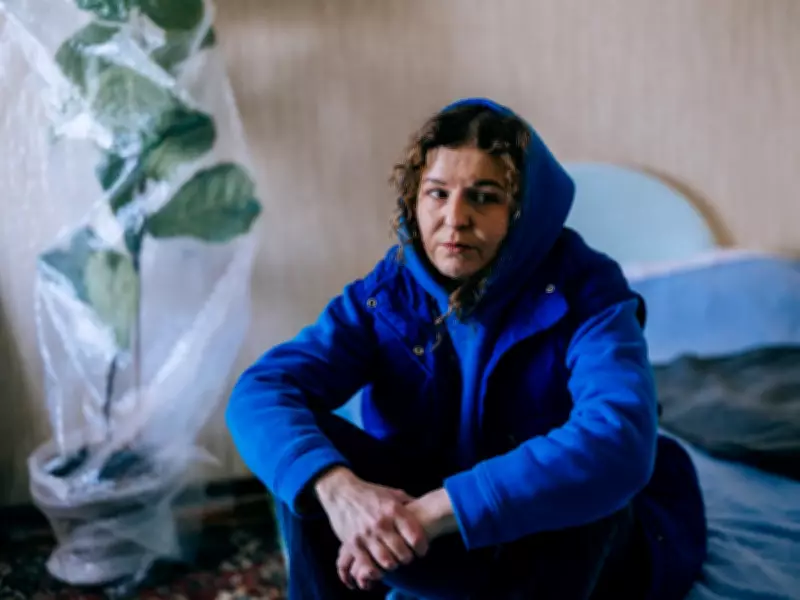
The impact on families is profound. Toby Fricker, a spokesperson for Unicef, which donated the warming tent, reports that 45% of schools in Kyiv are closed due to lack of central heating. "Education has been disrupted. Kids and teenagers experience social isolation. They are missing out on normal life," he explains. In response, residents have turned to creative solutions to stay warm. They purchase power banks, camping gear, gas cylinders, and generators, which rumble outside offices and shops on Kyiv's icy streets. Some heat bricks and rocks over gas stoves, while others erect tents inside living rooms. Cafes have become popular refuges, and Ukraine's state emergency service has set up shelters with beds. Julia Po, an artist from the Dniprovskyi neighbourhood, showcases her seventh-floor home, where she navigates dark staircases with a torch due to non-functional lights and lifts. Frozen water pipes burst two weeks ago, causing a flood, and a chill wind whips through slatted panels. "The building dates from the 70s and the Soviet era. It's badly designed and can't cope," she laments.
Personal Struggles: From Bubble Wrap to Survival Mode
Julia Po has insulated her front door and plants with bubble wrap to reduce drafts, sleeping under two blankets while wearing thermal underwear and a hoodie. "Underneath, from the ground, it's just cold. When you wake up in the morning you can feel your kidneys. My electric kettle cracked. I didn't wash my hair for two weeks," she shares. Her cat, named after Radiohead singer Thom Yorke, sleeps under a blanket in a cupboard. Originally from Russian-occupied Crimea, Po feels dispossessed: "It's as if someone has stolen my home. There is the same vibe as 2022. I've been through several stages, from depression-aggression to acceptance and a degree of irony. It's not pleasant, but what can you do? There is a war in our country, unfortunately. This is our reality." Despite having a gas stove and boiler, she acknowledges being better off than many neighbours, particularly pensioners who are too hard-up to buy extra equipment and often trapped in their flats. At least 10 people have died from hypothermia, with 1,469 hospitalised, as Russian attacks on power facilities continue, including recent strikes in Kyiv and Odesa.
Energy Crisis Deepens: Calls for International Aid
Maksym Timchenko, head of energy provider DTEK, reveals that Moscow has wiped out 80% of Ukraine's power generation capacity. "We are not talking about an energy crisis. It's a humanitarian and national crisis. As a country we are in survival mode," he states, noting that only one out of five company power plants is currently connected to the grid, with repairs hampered by freezing conditions. Timchenko calls for urgent international help, including additional air defences, ammunition, and an energy ceasefire—something Moscow briefly agreed to at Donald Trump's request before resuming bombing. "Kyiv has become the main target. We have lost all sources of power generation in the city. We are doing everything we can to keep the economy alive," he emphasizes. Oleh Yaruta, a DTEK engineer repairing an underground power cable, describes the capital's overloaded grid, suffering burnouts from excessive use of electric heaters. He expresses disdain for Russians: "They are devils and orcs. They are bombing because they can't conquer us."
Resilience Amidst Adversity: Stories of Survival
Despite the hardships, moments of resilience emerge. Earlier this week, electricity briefly returned to some left bank buildings, offering a flicker of hope. Natasha Naboka shares her experience of sharing a bed with her 10-year-old daughter, Sofiia, and their Yorkshire terrier, Bonya, in January. "We were together under one blanket. Bonya wore a jacket. I woke up and my nose was frozen. It was 4-5°C inside the flat," she recalls. With no working fridge, Naboka stores food on her fifth-floor balcony, washes clothes by hand, and dries them at her workplace, a beauty parlour in central Kyiv with better power conditions. During air raids, she and Sofiia hide in the corridor between two walls. Her husband, a soldier stationed in Kharkiv oblast, faces similar power breakdowns. While some residents criticize city authorities for inadequate infrastructure protection, and President Volodymyr Zelenskyy has pointed fingers at Mayor Vitali Klitschko, Naboka places blame squarely on Russia. "They thought they could seize Ukraine very quickly. They failed. So instead Putin is trying to destroy us," she says, attributing the crisis to "the jealousy and unhealthy ambition of one man."