Secret Intelligence Meeting Between Israeli President and ASIO Director Confirmed
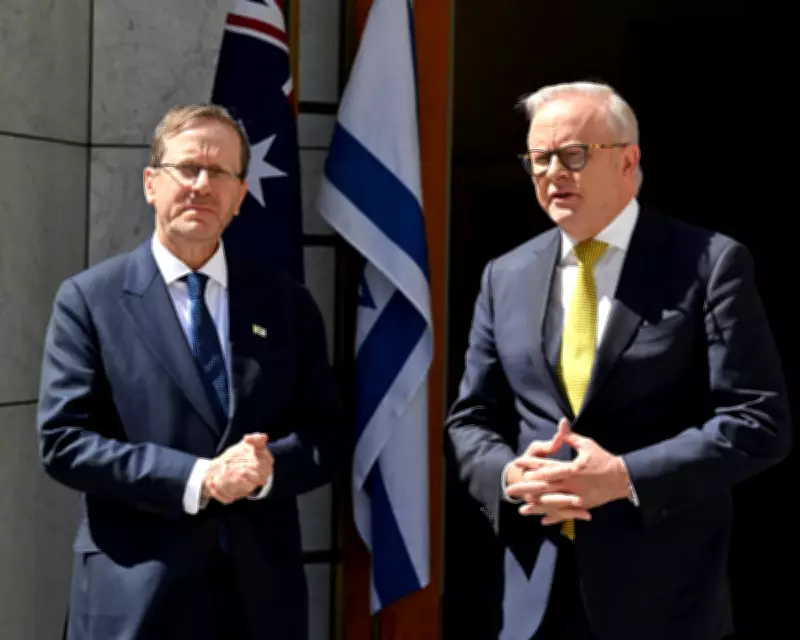
The Australian Security Intelligence Organisation has officially confirmed that Israeli President Isaac Herzog participated in a confidential meeting with Director-General of Security Mike Burgess during his diplomatic visit to Australia last month. This revelation follows intense parliamentary questioning about whether the foreign head of state accessed domestic intelligence facilities.
Parliamentary Scrutiny and Government Evasion
During Senate question time, ACT independent senator David Pocock directly questioned Foreign Minister Penny Wong about whether President Herzog visited ASIO headquarters. Wong responded cautiously, stating she was "not in a position where I can answer your question" and emphasizing the sensitive nature of intelligence agency matters.
Outside parliament, Senator Pocock expressed significant concerns about the implications of such access. "A visit by a foreign head of state to the headquarters of our national security and intelligence agency would, I believe, be unprecedented," Pocock stated to journalists, highlighting what he described as a lack of government transparency on the matter.
ASIO's Official Confirmation and Justification
Later on Tuesday, an ASIO spokesperson provided formal confirmation to media outlets regarding the meeting. "The president met with the Director-General of Security, and was briefed by ASIO's counter-terrorism team on their work following the Bondi attack," the spokesperson explained.
The intelligence agency defended the encounter as part of normal international cooperation, stating that "meetings such as this are important opportunities to discuss global threats and strengthen international cooperation." The spokesperson emphasized Australia's "strong and enduring working relationships with their foreign partners" as context for the high-level intelligence briefing.
Controversial Visit Context and Community Reactions
President Herzog's four-day visit to Australia occurred in the aftermath of the Bondi terror attack in December, which claimed fifteen lives. The Israeli president described his mission as one of solidarity with Australia's Jewish community, declaring "I have come here in goodwill and in a message that the people of Australia and Israel are close friends and allies since the days of old."
However, the diplomatic visit proved deeply controversial, with significant protests occurring in every city Herzog visited. The Sydney demonstrations witnessed police violence incidents, including officers punching protesters and forcibly removing Muslim men engaged in prayer.
International Context and Geopolitical Implications
The intelligence meeting confirmation comes amid heightened global tensions, particularly following recent Israeli airstrikes against Iran that resulted in significant casualties. Notably, Israel operates outside the Five Eyes intelligence-sharing network that includes Australia as a member nation, adding complexity to the intelligence cooperation revealed.
President Herzog's visit also occurred against the backdrop of serious international allegations. The United Nations commission of inquiry has specifically named Herzog as having incited genocide against Palestinian people in Gaza, accusations that Israel's foreign ministry has vehemently rejected as "distorted and false."
Historical Controversies and Diplomatic Challenges
The Israeli president has previously faced criticism for controversial statements regarding Gaza's civilian population following Hamas attacks in October 2023. Herzog initially declared that "It's an entire nation out there that is responsible" for the violence, though he later qualified these remarks, claiming he had been taken out of context.
Additional controversy emerged when photographs surfaced showing Herzog signing an Israeli artillery shell destined for Gaza with Hebrew inscriptions. The president later conceded this action represented "an error" and demonstrated "lacking taste," though the incident contributed to ongoing diplomatic tensions surrounding his leadership.
The confirmation of this secret intelligence meeting raises significant questions about the boundaries of international intelligence cooperation and the appropriate level of access granted to foreign heads of state during diplomatic visits. As parliamentary scrutiny continues, the Australian government faces increasing pressure to provide greater transparency regarding intelligence-sharing arrangements with international partners.