Israel Reportedly Supports Palestinian Militias to Counter Hamas in Gaza
Recent reports from the Middle East suggest that Israel is actively training and funding Palestinian militias in Gaza as part of a strategic effort to counter the influence of Hamas. This development, if confirmed, represents a significant shift in the region's complex political and military landscape, with potential implications for long-term stability and human rights.
Strategic Shift in Gaza Conflict
According to sources, Israeli authorities have been providing logistical support, weapons, and training to select Palestinian groups operating within Gaza. These militias are reportedly being positioned as alternatives to Hamas, which has controlled the Gaza Strip since 2007 and is considered a terrorist organization by Israel and many Western nations. The initiative aims to create a counterbalance to Hamas's authority, potentially weakening its grip on power and reducing security threats to Israel.
This strategy marks a departure from previous approaches, where Israel primarily relied on military operations and blockades to manage Hamas. By empowering local militias, Israel seeks to foster internal opposition within Gaza, which could lead to fragmented governance and reduced cohesion among Palestinian factions. However, this tactic raises ethical and practical questions, including the risk of escalating violence and undermining Palestinian unity.
Human Rights and Stability Concerns
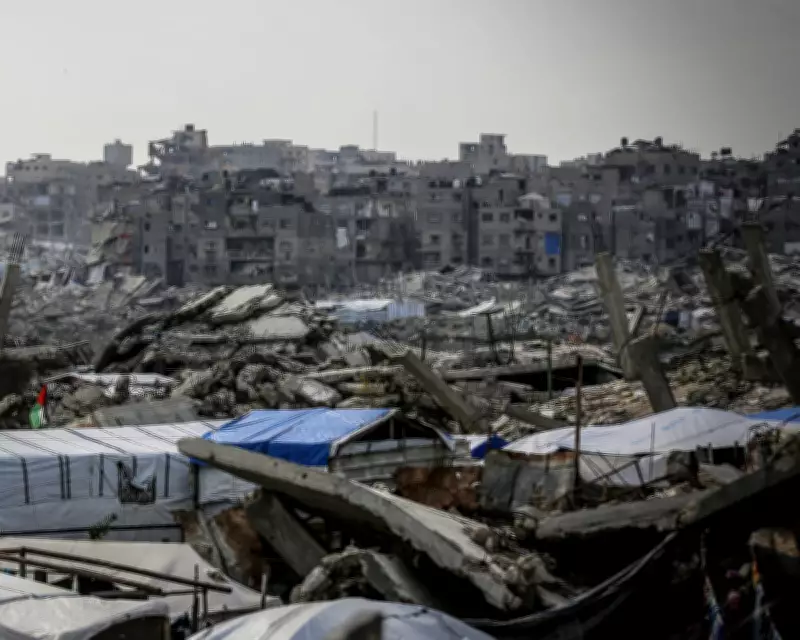
The involvement of Israeli-backed militias in Gaza has sparked concerns among human rights organizations and international observers. Critics argue that supporting armed groups could exacerbate the humanitarian crisis in Gaza, where residents already face severe economic hardship and limited access to basic services. There are fears that such militias might engage in abuses or contribute to further instability, complicating efforts for peace and reconstruction.
Moreover, this move could strain Israel's relations with other regional actors and global allies, who may view it as interference in Palestinian internal affairs. The long-term impact on Gaza's political future remains uncertain, with potential scenarios ranging from increased factional conflict to a gradual erosion of Hamas's dominance. Analysts emphasize the need for careful monitoring to assess whether this strategy will achieve its intended goals or lead to unintended consequences.
Broader Implications for the Middle East
This development is part of a broader pattern of shifting alliances and proxy conflicts in the Middle East. Israel's reported support for Palestinian militias reflects a pragmatic approach to security challenges, but it also highlights the complexities of navigating the region's volatile dynamics. The situation in Gaza is closely watched by neighboring countries and international powers, as it could influence broader geopolitical trends and peace initiatives.
In summary, the reports of Israel backing Palestinian militias against Hamas in Gaza underscore the ongoing tensions and strategic maneuvers in the region. While aimed at countering a perceived threat, this approach carries significant risks for human rights and stability, requiring careful consideration by all stakeholders involved.