Iran's Blockade of the Strait of Hormuz: A Tactical Analysis
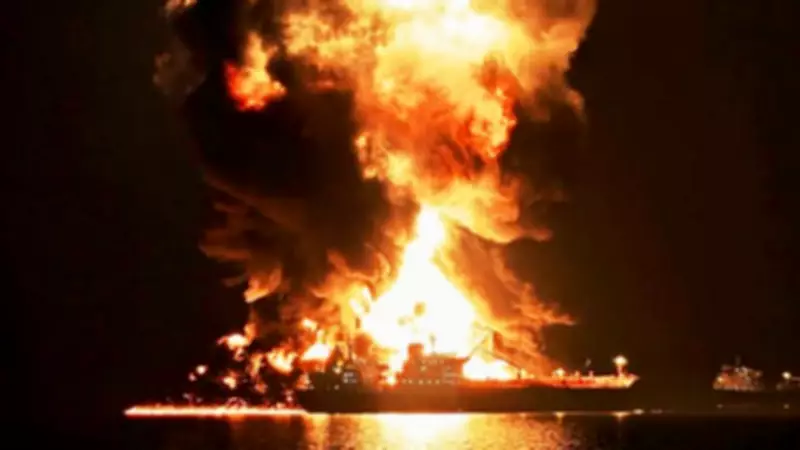
The Strait of Hormuz, a narrow waterway through which 20% of the world's oil supplies passes, has been effectively closed by Iran's military actions. This blockade, leveraging fears of mines, kamikaze drone boats, and GPS jamming, has caused market havoc and sent oil prices soaring. Since the conflict began, at least 16 ships have been hit by Iran, with Tehran releasing videos claiming attacks on oil tankers off the coast of Iraq. According to the International Maritime Organisation, around 3,000 ships and 20,000 crew members are now trapped or affected in the region.
Sea Drones: A New Threat in the Persian Gulf
Sea drones, also known as unmanned surface vehicles (USVs), have emerged as a significant threat in the Persian Gulf. These small, unmanned vessels operate on or below the water's surface, making them difficult to defend against, especially at night. In January last year, footage released by Iran's Islamic Revolutionary Guard Corps purportedly showed such craft in an underground tunnel. Naval drones laden with explosives have reportedly been used in at least two attacks on oil tankers since the war began.
On 1 March, a crude oil tanker was hit 44 miles off the coast of Oman, killing one crew member. Days later, the Bahamas-flagged crude oil tanker Sonangol Namibe was struck near Iraq's Khor al Zubair port. Video evidence shows a naval drone slamming into the ship, triggering an explosion. Sky News' data and forensics team reports that Iran has attacked at least 16 vessels around the Strait of Hormuz and the wider Gulf, with six ships struck in a single intense period.
Midget Submarines and Anti-Ship Mines
The possibility of Iran deploying anti-ship mines in the Strait of Hormuz has gained attention as the war continues. These weapons, infamous from World War II minefields, pose a grave threat to ships. Iran possesses "contact mines," but a more sophisticated danger comes from mines that lie on the seabed, releasing torpedo-like charges when detected by sensors. These mines could be laid by ships or by "midget submarines," based on a North Korean model, used for clandestine operations.
It remains unclear how many mines have been deployed, but American sources suggest "a small number - dozens so far." Reuters reports that Iran has deployed about a dozen mines, with most locations known. The use of midget submarines adds a covert dimension to Iran's blockade strategy.
Anti-Ship Missiles and GPS Jamming
Iran has largely withheld its arsenal of anti-ship missiles, such as the Chinese C802 variant or the home-produced Kheibar Shekan missile. According to Dr Sidharth Kaushal from the RUSI thinktank, Iran has achieved its strategic aim of closing the Strait of Hormuz for now. However, if commercial vessels attempt to pass with naval escorts, these missiles could become more relevant. The US has refused requests for military escorts, citing high attack risks.
GPS jamming, or GNSS interference, is another critical tool in Iran's blockade. The Strait of Hormuz has been a hotspot for electronic interference, used both to antagonize adversaries and as a defense against drones. Dr Ramsey Faragher, director of the Royal Institute of Navigation, notes that multiple countries, including Iran and neighboring states like Oman and the UAE, may be using this technology. This interference disrupts navigation signals, impacting maritime shipping and aircraft in the region.
Impact and Future Implications
The blockade has led to significant casualties, with reports of 87 Iranian deaths after the US sunk a warship off Sri Lanka. Iranian UAVs, or flying drones, also pose risks to crews and have psychological impacts. As the conflict persists, the tools and weapons employed by Iran—from sea drones and midget submarines to GPS jamming—continue to evolve, threatening global trade and regional stability. The situation underscores the strategic importance of the Strait of Hormuz and the complex military tactics at play.