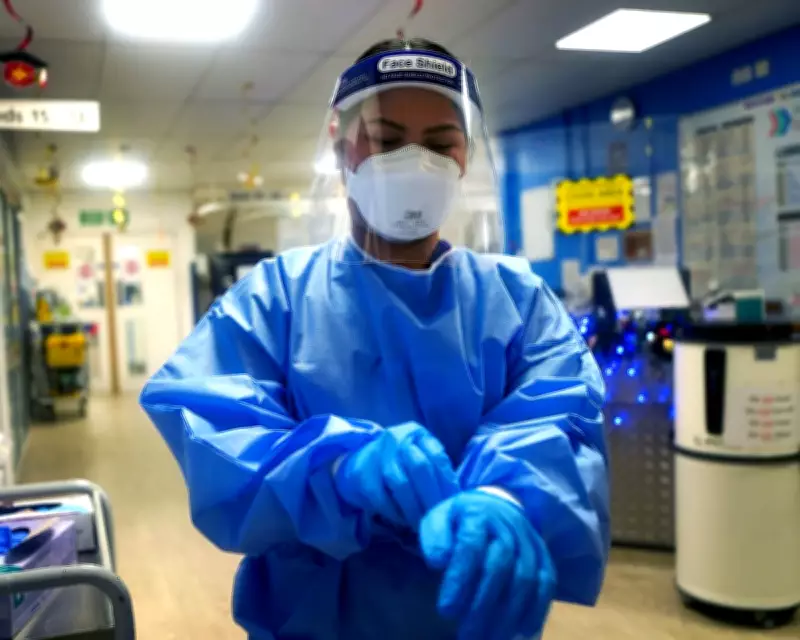
The ongoing war in Iran has placed the National Health Service (NHS) on high alert, with officials fearing looming shortages and rising costs for medicines and medical products such as syringes, intravenous bags, and gloves. Much of modern healthcare relies on petrochemicals now held up by the Gulf shipping standstill, affecting active pharmaceutical ingredients and the production of millions of sterile single-use items, including personal protective equipment (PPE), catheters, and diagnostic-device casings.
NHS Supply Chain Under Strain
The NHS, one of the world's largest healthcare bulk buyers, spends £8 billion annually on equipment and consumables, from latex gloves to prosthetic hips, and £21.6 billion on medicines in 2024-25. Temporary shortages have worsened since Brexit and the Covid-19 pandemic, but the Iran war threatens to widen and deepen these disruptions globally, pushing up costs and sparking competition among countries for supplies.
Jim Mackey, chief executive of NHS England, is "very worried" about supply chain challenges and has indicated that extra government funding may be needed if the war leads to a "huge shock" of price increases. In response, NHS England has increased purchases of drugs and devices to build buffers. While no shortages exist currently due to its purchasing clout, this could change if the conflict drags on, especially with damage to energy infrastructure and mines in the Strait of Hormuz.
Procurement and Resilience Measures
NHS Supply Chain, the central procurement body managing over 620,000 products, has increased stocks "where appropriate" and is engaging with suppliers on continuity plans and logistics routes. Tom Brailsford, head of resilience, confirmed these measures. Meanwhile, airports in the Middle East remain disrupted, affecting air freight routes from India, a key source of off-patent drugs.
Richard Sullivan, professor of cancer and global health at King's College London, notes that supply chains for many cancer drugs are thin, often relying on single suppliers. The movement of medicines and active ingredients is complex, with long supply chains to keep costs low.
Impact on Hospital Operations
At Gloucestershire Hospitals trust, doctors and nurses use over 6 million single gloves annually, costing nearly £330,000. A 2024 campaign aimed to reduce overuse, and the war may enforce stricter adherence to "correct use" guidelines, emphasizing handwashing. Liz Breen, professor of health service operations at Bradford University, highlights that small items like catheters and gloves are fundamental to service delivery, and shortages could cause problems.
Sullivan urges the NHS to think twice about usage, reducing waste by not opening single-use instruments unnecessarily. He believes shortages could force a shift to more sensible use of single-use items and on-demand drug preparation.
Soaring Prices and Supply Disruptions
The cost of common medical items has jumped since the war began. The average price of a box of 1,000 synthetic rubber gloves is now 40% higher at $29 (£21.50), according to Oong Chun Sung of CIMB Securities. Analysts warn that sustained disruption could lead to glove shortages by late May due to surging naphtha prices, a petrochemical derived from crude oil. Naphtha prices in north-west Europe soared above $900 a tonne in April, up from $560 in February.
Polyco Healthline, a major NHS contractor, raised prices by 10.3% to 26.3% from 1 April, with further rises expected. Malaysian condom-maker Karex, also an NHS supplier, is increasing prices by 20% to 30%. Top Glove, the largest glove manufacturer, will pass on cost increases of 50% due to higher nitrile latex prices.
About 60% of naphtha used in Asia is sourced from or routed through the Middle East. Shortages have caused shutdowns at Asian chemical makers, which declared force majeure. European prices for polyethylene and polypropylene roughly doubled between February and April. The price of polyester fibre, used in surgical masks and gowns, surged 28% from late February to late March, with shortages anticipated from the end of May. PET resin, used in pharmaceutical bottles and blood collection tubes, surged 55% from February to March.
Sullivan notes that while some price increases are reasonable, price gouging is occurring. Components for surgical robot arms are expected to be in short supply. The NHS pays some of the lowest prices globally, but manufacturers may prioritize countries paying more, leading to shortages.
Preparedness and Future Strategies
Drugmakers hold eight weeks' worth of medicines, and equipment makers have buffer stocks. However, many areas have few suppliers, such as the IV bag market dominated by Baxter, Fresenius Kabi, and B Braun Medical. Scott Lehmann of Sphera notes that incentives for stocking items like syringes are lacking because they are traditionally always available. He emphasizes that healthcare cannot stop due to supply shortages, unlike other industries.
Sullivan argues that the UK's "just in time" supply chains may be problematic and that Europe must invest in bringing manufacturing closer to home. Brailsford assures that NHS Supply Chain is working closely with suppliers to minimize cost pressures and avoid unnecessary changes to clinical practice. A Department of Health and Social Care spokesperson stated that robust measures are in place to manage disruption, including buffer stocks and alternative products, and that most of the UK's 14,000 licensed medicines are in good supply.