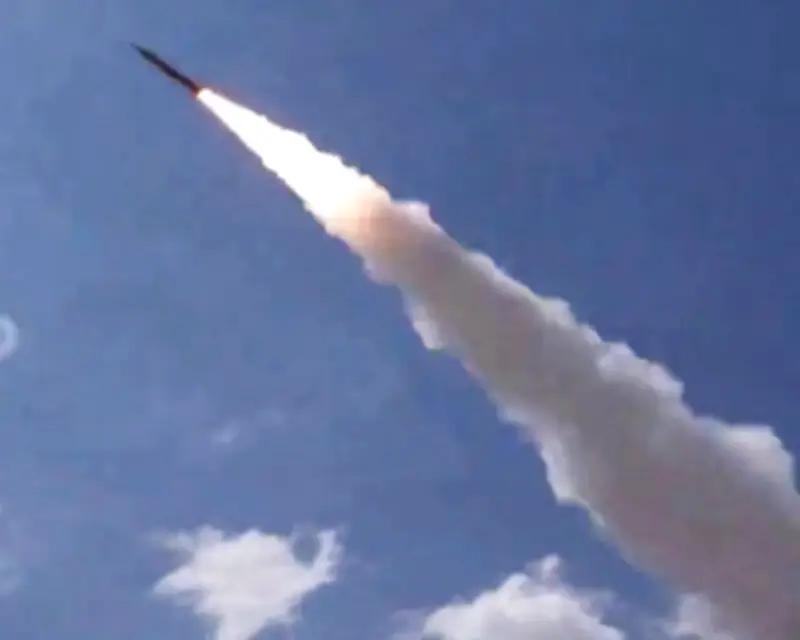
Iran has demonstrated its ability to inflict damage despite waves of US attacks, as fighting between the two nations continues for a sixth consecutive night. Leaked US intelligence reports concluded that Iran retained approximately 70% of its missiles and launchers after a 38-day spring bombing campaign conducted jointly with Israel.
Renewed Escalation
Friday saw a wave of US attacks using missiles launched from jets, drones, and warships targeting Iranian ports and southern regions. The strikes collapsed a tower at Chabahar on the Gulf of Oman and damaged highways and bridges leading to the Strait of Hormuz port of Bandar Abbas, possibly aiming to cut off the area. Iran responded by attacking US allies, including Qatar, Bahrain, and most significantly Kuwait, where a power and desalination plant was hit, causing a fire and unspecified damage. Desalination is critical for water supply in the arid Gulf, providing an estimated 90% of Kuwait's needs.
Intelligence Contradicts US Claims
The US had claimed that its intense 38-day bombing campaign with Israel severely degraded Iran's military capabilities. Donald Trump told Fox News this week that Iran's weapons were down by 91%, but leaked US intelligence assessments from May indicate otherwise. The reports concluded that Iran had regained access to 30 out of 33 missile launch sites along the Strait of Hormuz and perhaps 70% of its overall prewar missile stockpile and launchers. Clearing rubble from underground missile bases during the late spring ceasefire proved feasible.
On Monday, two oil tankers sailing along the southern route of the Strait of Hormuz near Oman were struck by missiles, according to the UK's Maritime Trade Organisation, killing one sailor and wounding eight. A third tanker was hit further east in the Gulf of Oman, 45 miles northwest of Qalhat, demonstrating the range of Iranian air power against tankers that are difficult to defend without a nearby warship.
Economic Impact
The attacks led the US to reimpose its own blockade in the Gulf of Oman. Daily transits through the Strait of Hormuz dropped to three by Thursday, the fewest since May, and the price of Brent crude oil rose from $75.50 to $82 per barrel. Another tanker was reported hit on Friday, though no casualties were reported. Iran needs only a limited threat to effectively disrupt the strait.
Strategic Stalemate
Michael Carpenter, a former Biden administration national security official now with the International Institute for Strategic Studies, noted that “now that the plaster has been ripped off, the costs for escalation for both sides are so much lower than before February 28.” However, he added that the White House has “no clear or well thought-through strategy for how to get out of this.”
The US is exploring options to pressure Iran, with Trump describing Iranian leaders as “scum” and “sick people” at this month's NATO summit. Substantial ground operations are not feasible given the US lacks preparation and appetite for such a campaign. The 2,200 marines in the USS Boxer amphibious group are involved in enforcing the blockade.
Military Options Considered
Military escalation was discussed at a White House Situation Room meeting on Tuesday. Leaks indicated options included bombing another deep-lying nuclear site at Pickaxe Mountain, which would not affect the Hormuz dynamic, or seizing the strategic Kharg Island, through which 90% of Iran's oil exports would flow without the US blockade. Capturing Kharg is possible, but holding it would be challenging due to inevitable Iranian missile and drone attacks. Continued US bombing further depletes hard-to-make air defense interceptors, reduced by half, and expensive missiles, down by a quarter to a third, according to estimates from the Center for Strategic and International Studies.
Trump has threatened to escalate further by bombing all Iranian power plants, potentially as soon as next week. Such action would invite international condemnation as a potential war crime and risk dangerous Iranian retaliation, as underlined by Friday's strike on Kuwait's desalination plant. Trump previously backed down from similar rhetoric in April.
Iran's Endurance
Roxane Farmanfarmaian, a lecturer at Cambridge University, noted that Iran's regime has shown it can endure, highlighted by the organization of a week-long national funeral procession for Ali Khamenei. She fears a sharp military escalation but believes it may be shorter than the spring campaign due to depletion on both sides, resulting in a similar outcome. “Neither can deliver a knockout blow at an acceptable price,” Farmanfarmaian said, underscoring the difficulty of ending wars started with unrealistic goals.