
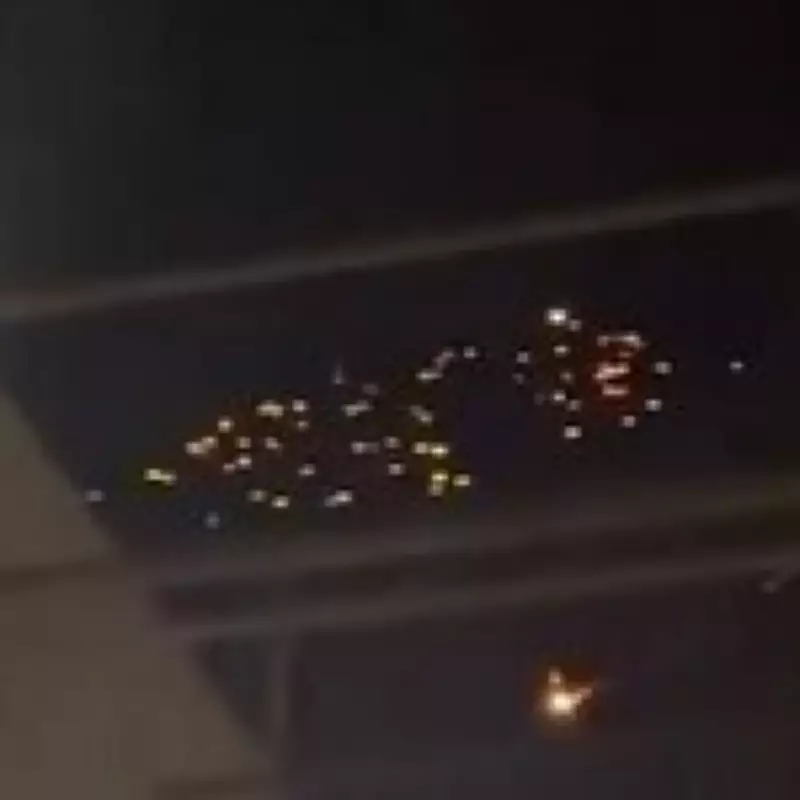
Iran Unleashes Retaliatory Cluster Bomb Strikes on Israel Following Security Chief's Death
In a dramatic escalation of regional tensions, Iran has launched a series of retaliatory missile strikes against Israel, deploying cluster munitions over Tel Aviv. This aggressive move comes directly after an Israeli strike killed Iranian security chief Ali Larijani, a key figure in Iran's political and military hierarchy.
Deadly Missile Barrage and Cluster Bomb Deployment
Israel's defense systems reported intercepting at least two separate salvos of incoming fire yesterday. Tragically, the country's medical services confirmed that two individuals were killed in Ramat Gan, located just east of Tel Aviv, as a direct result of the attacks.
Iran's powerful paramilitary Revolutionary Guard publicly claimed responsibility for the assault. The force stated it specifically launched Khorramshahr-4 and Qadr multiple-warhead missiles to avenge the killing of Ali Larijani. Footage captured by The Associated Press provided visual evidence, showing at least one missile releasing its deadly payload of cluster munitions over Israeli territory.
The Controversial Nature of Cluster Weapons
Cluster bombs, also known as cluster munitions, represent a particularly controversial class of weaponry. They function by dispersing hundreds of small bomblets from a rocket, missile, or artillery shell mid-flight, scattering them across a wide area. This method creates a large and unpredictable blast radius, making the weapons notoriously difficult to defend against and their aftermath hard to manage.
The international community has widely condemned their use. Over one hundred countries have formally banned cluster munitions, primarily due to the indiscriminate and long-lasting danger they pose to civilian populations, often leaving unexploded ordnance that threatens lives long after conflicts end.
Profile of the Assassinated Target: Ali Larijani
The late Ali Larijani was a pivotal figure within Iran's power structure. A former parliamentary speaker, he served as a senior policy adviser to the late Supreme Leader Ali Khamenei. His portfolio included shaping Iran's strategic approach during nuclear negotiations with the Trump administration.
Larijani's influence extended beyond diplomacy. In January, the United States Treasury Department sanctioned him for his alleged role in coordinating Iran's violent suppression of nationwide protests, highlighting his involvement in domestic security matters.
Regional Tensions Spill Over into Iraq
The conflict's ripple effects were felt beyond Israel's borders. Early Wednesday, the U.S. embassy in Baghdad came under fire for the second consecutive day, according to statements from two Iraqi security officials. While specific details remain scarce, this incident aligns with a pattern of attacks by pro-Iran militia groups targeting American assets in Iraq since the onset of the wider regional war.
In a related incident on Tuesday, a drone crashed inside the embassy compound in Baghdad, further underscoring the volatile security situation.
Israeli Military Actions in Lebanon
Simultaneously, Israeli forces conducted a strike in central Beirut, flattening an apartment building approximately one hour after issuing an evacuation warning. This marked the fourth time the specific structure had been targeted. Notably, three separate strikes last week had failed to demolish the building, indicating the persistence and precision of the ongoing military campaign.




