Gen Z Service Members Use TikTok to Voice War Anxieties with Dark Humor
As the Trump administration promotes a "warrior culture" in the military, Generation Z service members are turning to TikTok to share a starkly different perspective. Their posts, filled with irony, vulnerability, and snark, offer a personal take on the potential deployment to the US-Israel war on Iran, contrasting sharply with official White House messaging.
Divergence from Official Warrior Mentality
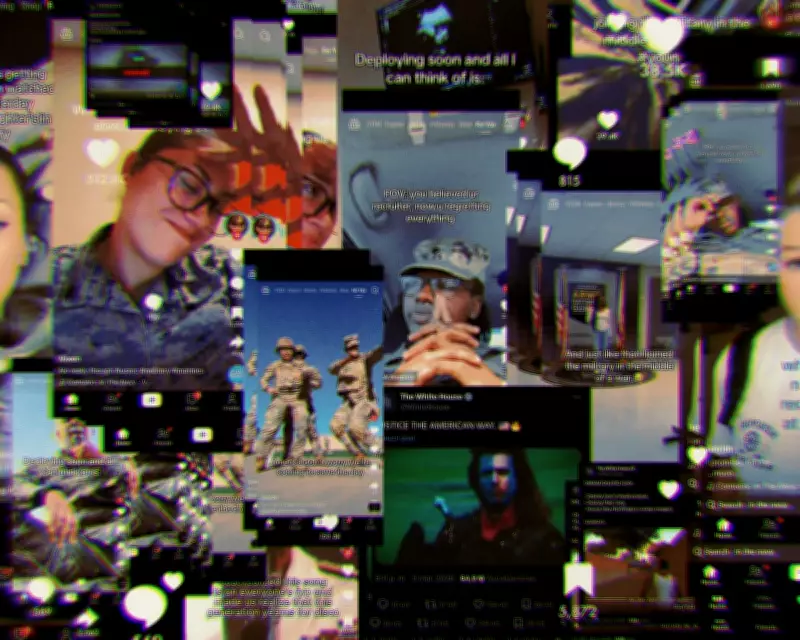
Secretary of Defense Pete Hegseth has championed a return to traditional masculinity in the armed forces, criticizing diversity initiatives and advocating for a more aggressive image. However, on TikTok, under the hashtag #MilitaryTok, young soldiers express anxiety and humor about the conflict. A representative from Blue Star Families noted that Gen Z engagement is "less formal and more personal perspective layered with irony or dark humor." This informal approach helps fill an information void as official updates remain scarce, allowing the public to gauge troop morale and movements.
Memes and Personal Stories Highlight Deployment Fears
Service members use memes and candid posts to process the realities of war. For instance, new recruits joke about joining mid-conflict, with captions like "I took YOLO too seriously" or references to being "dumb enough" to sign up. Beyond humor, some posts focus on emotional impacts, such as a soldier worrying about leaving an infant child or another describing a mother's anxiety while watching news reports. The use of songs like In the Navy by The Village People adds a layer of cultural commentary, with lip-syncing videos often conveying hesitancy about deployment.
Broader Implications for Military Recruitment and Morale
The explosion of #MilitaryTok presents both opportunities and challenges for military recruiting. While the Department of Defense sees value in authentic social media content to attract Gen Z, it struggles to control narratives that may contradict official public relations strategies. Army rules encourage social media use but prohibit content that violates conduct codes, yet the confessional nature of TikTok makes enforcement difficult. Experts note that service members risk disciplinary action for critical posts, but the platform's intimate format encourages more human expression.
Public Opinion and Generational Shifts
These TikTok posts reflect wider public skepticism about the war. A recent Pew poll found that 60% of Americans disapprove of Trump's handling of the conflict, with concerns about long-term safety. Gen Z, in particular, holds less favorable views of the military, with only 35% expressing positive attitudes in 2021, down from 46% in 2016. This generation, having grown up during endless American wars, uses social media to process experiences unfiltered, as seen in posts like one soldier regretting enlistment after believing a recruiter.
Overall, #MilitaryTok serves as a digital confessional, offering a raw glimpse into the lives of young service members amid geopolitical tensions. It underscores a generational divide in communication and highlights the tension between personal expression and institutional control in the modern military landscape.