Explosives Discovery Near TurkStream Pipeline Ignites Political Firestorm
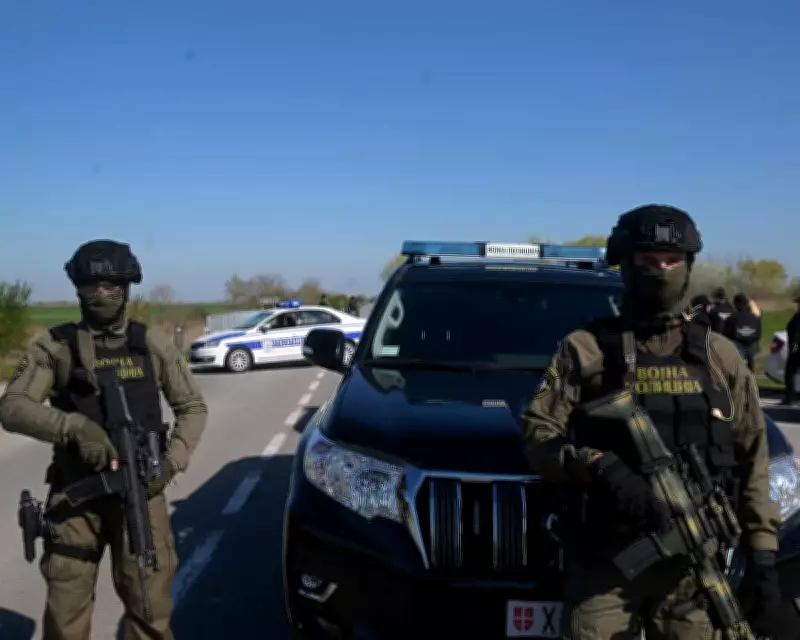
Serbian authorities have confirmed the discovery of what they describe as "explosives of devastating power" in close proximity to the TurkStream natural gas pipeline, which carries Russian fuel to Hungary and other European nations. This development has triggered immediate political repercussions in neighboring Hungary, where leading opposition figures are alleging a potential "false flag" operation designed to influence upcoming parliamentary elections.
Emergency Response and Political Fallout
Hungarian Prime Minister Viktor Orbán announced on Sunday that he received direct notification from Serbian President Aleksandar Vučić regarding the explosive materials found near an extension of the TurkStream infrastructure. Orbán promptly convened an emergency session of Hungary's defence council, stating that a thorough investigation is currently underway. The timing is particularly sensitive, occurring just one week before Hungarian voters head to the polls in what many analysts describe as the most competitive election in Orbán's 16-year tenure.
Vučić provided additional details, revealing that Serbian military and police forces discovered two backpacks containing large packages of explosives equipped with detonators in the northern municipality of Kanjiža. The location was reportedly mere hundreds of meters from the critical gas pipeline. Vučić emphasized that the explosives posed a significant threat to both human life and essential energy infrastructure, though he declined to specify their origins, mentioning only "certain traces" that cannot be publicly disclosed at this time.
Opposition Allegations and International Scrutiny
The incident has drawn sharp criticism from Hungary's political opposition. Péter Magyar, the leading challenger to Orbán and former member of the ruling Fidesz party, claimed on social media that he and his Tisza party had received multiple warnings about potential incidents in Serbia around the Easter period, possibly involving gas pipelines with Serbian and Russian involvement. "And now it has," Magyar stated, directly accusing Orbán of attempting to instill fear through false-flag operations with alleged Russian assistance.
International observers have echoed these concerns. Mujtaba Rahman, managing director for Europe at the political risk consultancy Eurasia Group, characterized the incident as "a seemingly convenient threat of terrorist action" potentially designed to amplify fears of military aggression against Hungary, with Ukraine likely to be blamed. This skepticism follows previous claims by Orbán in February that Ukraine was plotting to disrupt Hungary's energy systems, allegations made without substantive evidence.
Broader Context and Diplomatic Implications
The pipeline incident occurs against a backdrop of escalating tensions between Hungary and Ukraine. Orbán has repeatedly accused Ukraine of intentionally delaying repairs to the Soviet-era Druzhba oil pipeline and previously blocked European Union approval of a substantial loan package to Ukraine over ongoing disputes. Hungarian Foreign Minister Péter Szijjártó pointedly referenced Ukrainian actions in his response to the latest developments, though stopped short of direct attribution.
Ukraine's foreign ministry has categorically denied any involvement, suggesting instead that the incident represents "a Russian false-flag operation as part of Moscow's heavy interference in Hungarian elections." This perspective finds support among Hungarian critics of the government, including independent MP Ákos Hadházy, who described the situation as "completely transparent and pathetic," and investigative journalist Szabolcs Panyi, who reported receiving warnings weeks earlier about potential Russia-backed false flag attacks targeting Hungarian energy infrastructure.
Election Stakes and International Involvement
With Orbán trailing in recent polls, the pipeline incident threatens to dominate the final days of campaigning. The election presents a stark choice between Orbán's focus on security threats related to the Ukraine conflict and Magyar's emphasis on economic stagnation, deteriorating public services, and corruption allegations. Meanwhile, international actors appear increasingly involved, with the United States preparing for a visit by Vice-President JD Vance in what observers interpret as support for Orbán, while reports suggest Russian intelligence has explored measures to bolster the Hungarian leader's electoral prospects.
As investigations continue in Serbia and political rhetoric intensifies in Hungary, the discovery of explosives near critical energy infrastructure has transformed from a security incident into a potential watershed moment for Hungarian democracy and European energy security.