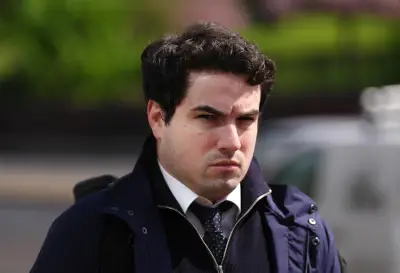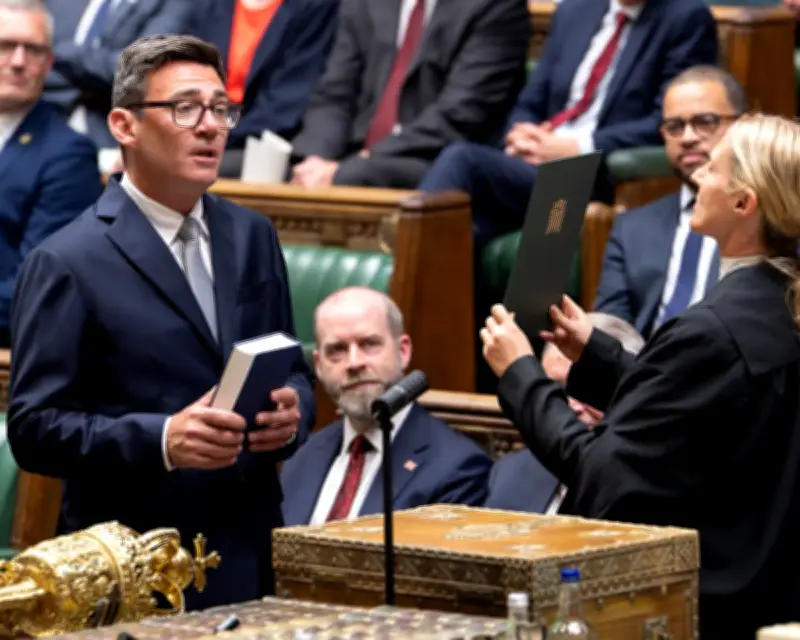
Adm Sir Tony Radakin, the former head of the armed forces, has warned Andy Burnham that defence spending plans must pass a 'Moscow test' to deter Russian threats, stating the UK currently 'falls short' of the required commitment. Speaking on the BBC's Sunday With Laura Kuenssberg programme, Radakin said the government's defence investment plan (Dip), expected this week, must match increased spending pledges due to a more dangerous world.
Funding gap and political pressure
Dan Jarvis, the new defence secretary, has reportedly secured about £1bn more than his predecessor John Healey after intense negotiations between the Ministry of Defence (MoD) and the Treasury. Healey resigned earlier this month after failing to secure more than £13.5bn to fill an £18bn gap in the Dip, which covers major capital programmes for the next decade. Little is known about Burnham's defence stance, raising concerns in the MoD that he might reopen any deal agreed under Keir Starmer. Allies of Burnham dismissed such fears but said he reserved the right to revisit the plan if needed.
The 'Moscow test' and Nato commitments
Radakin emphasised the importance of the UK appearing strong to Moscow: 'It’s the Moscow test. What do we look like to Moscow? Do we look like a strong member of the Nato alliance? Do we look like a strong nuclear power? Do we look like a strong ally of America? Because those are the elements that keep us safe. There’s a risk at the moment that we fall short on those commitments and that creates a whole load of hurt with our Nato allies, and especially our relationship with America.' He also noted the UK is second from the bottom in a Nato league table on meeting capability requirements, a position he called 'unprecedented' and 'unusual'.
Upcoming decisions and nuclear costs
Prime Minister Keir Starmer, meeting Nato Secretary General Mark Rutte on Monday, has promised to publish the Dip before the Nato summit on 7 July in Turkey. Burnham could become prime minister on 17 July if no contest arises. Jarvis is understood to have secured at least £14bn in negotiations, with the Dip expected on Tuesday, but it remains unclear if total defence budget increased. Nato aims for allies to reach 3.5% of GDP by 2035, but the MoD fears the proposed settlement leaves too much commitment for after the next general election. Much of the defence funding goes to the UK's nuclear deterrent, accounting for 20% in 2025-26, rising to 25% in coming years. Nine nuclear projects cost over £10bn, and the new Dreadnought nuclear submarine is £41bn.