Eight Killed in Israeli Explosion as Iran Vows Retaliation After Leader's Death
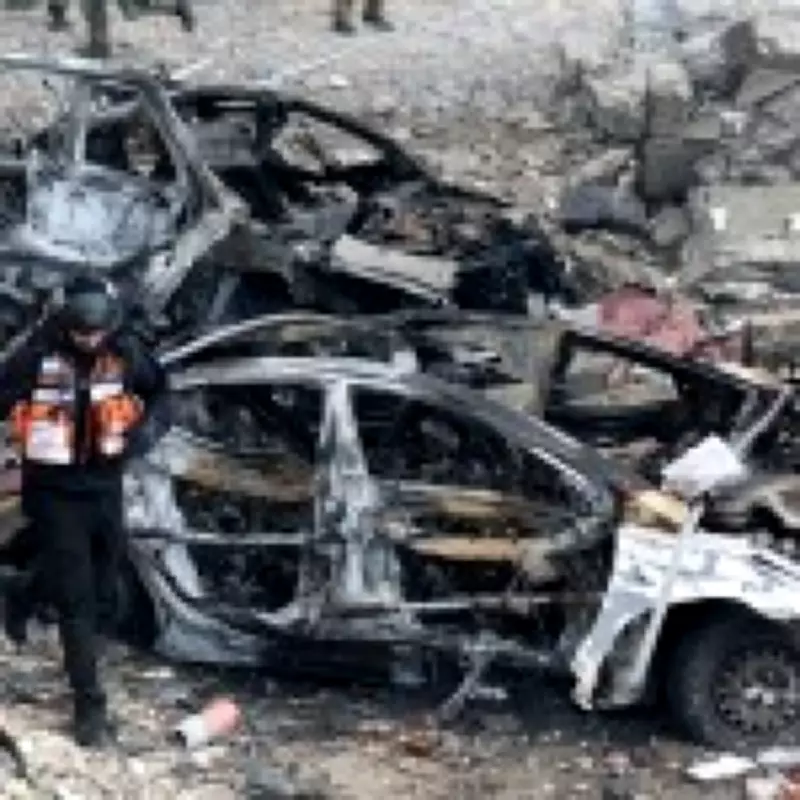
Eight people have been killed in a strike in central Israel, following Iran's vow to escalate its retaliation for the killing of its supreme leader. The explosion occurred in Beit Shemesh, near Jerusalem, on Sunday, with Israel's Magen David Adom rescue service reporting 28 injuries and ongoing searches for additional victims. In Tel Aviv, loud explosions from missile impacts or interceptions were audible, heightening tensions across the region.
Massive Explosion Rocks Tehran Amid Israeli Threats
Simultaneously, a massive explosion rocked Iran's capital, Tehran, as Israel announced plans for "non-stop strikes" against Iranian leaders and military targets. The blast, whose target remains unclear, sent a huge plume of smoke into the sky, affecting areas including the national police headquarters, Iranian state television, Tehran's Revolutionary Court, and a defence ministry building. This incident underscores the escalating violence in the Middle East.
School Strike Denials and Regional Casualties
On Sunday, the Israeli military stated it was unaware of any Israeli or American strikes near a school in southern Iran where over 100 people died. According to Iran's state-run IRNA news agency, a strike hit an all-girls school in Minab on Saturday. The killing of Ayatollah Ali Khamenei, coupled with US President Donald Trump's calls to overthrow the Islamic Republic, marks a significant US intervention in the region, potentially leading to a prolonged war. This represents a stark shift for a president who campaigned on an 'America First' platform and vowed to avoid 'forever wars'.
Leadership Vacuum and Escalating Threats
This marks the second time in eight months that the Trump administration has joined Israel in military action against Iran. In a 12-day war in June, Israeli and American strikes severely weakened Iran's air defences, military leadership, and nuclear programme. However, the death of Khamenei and several top security officials has created a leadership vacuum, increasing the risk of regional instability. Iran's parliamentary speaker, Mohammad Bagher Qalibaf, warned in a televised address on Sunday, "You have crossed our red line and must pay the price. We will deliver such devastating blows that you yourselves will be driven to beg."
UAE Reports Casualties from Iranian Attacks
As Iran targeted the wider Gulf area, the United Arab Emirates reported on Sunday that three people had been killed in Iranian attacks. The UAE defence ministry stated that Iran launched 165 ballistic missiles, with 152 destroyed and 13 falling into the sea. Additionally, Iran launched 541 bomb-carrying drones, of which 506 were destroyed, while 35 struck the country, killing three individuals from Pakistan, Nepal, and Bangladesh, and injuring 58 others.
Regional Disruptions and Infrastructure Damage
Flights across the Middle East were disrupted, and air defence fire echoed over Dubai, with explosions continuing into Sunday. Shrapnel from Iranian attacks on Abu Dhabi killed two people, according to state media, and debris from aerial interceptions caused fires at the city's main port and on the facade of Dubai's iconic Burj Al Arab hotel. The situation highlights the widespread impact of the conflict on civilian infrastructure and regional stability.