Cartel Violence Erupts in Guadalajara, Raising World Cup Security Fears
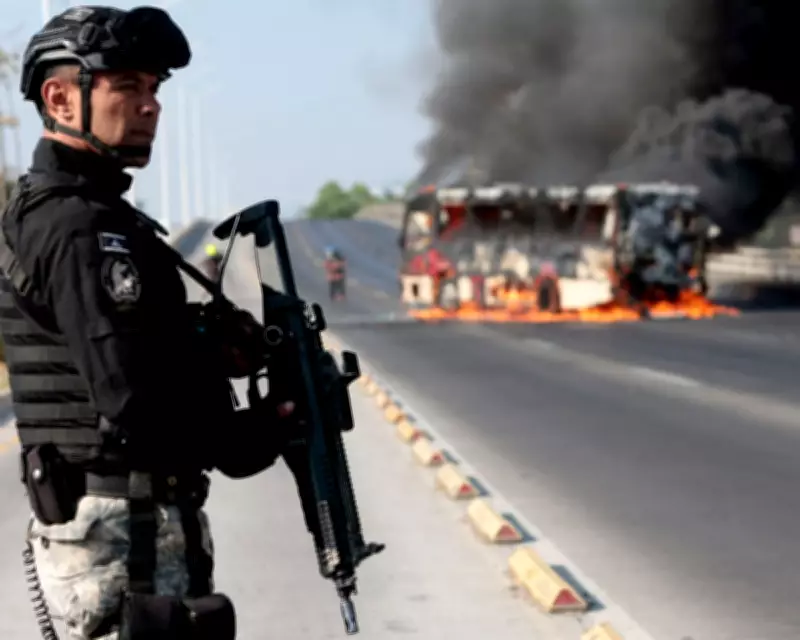
Organized crime groups have ignited multiple vehicles in and around Guadalajara, Mexico, including on the road leading to the Estadio Akron, the city's World Cup stadium. This surge in violence follows the killing of cartel boss Nemesio "El Mencho" Oseguera Cervantes by federal forces, sparking widespread blockades and arson attacks across the Jalisco region.
Immediate Fallout and Disruptions
In response to the operation, members of the Cártel de Jalisco Nueva Generación (CJNG) implemented "narcobloqueos," commandeering and burning buses and taxis, and targeting shops from large retailers to corner stores. The city activated a red alert protocol, urging citizens to stay home and leading to closures of bars and restaurants. Sports events were heavily impacted, with the postponement of the women's Clásico Nacional between Chivas and Club América and a men's Liga MX match in Querétaro.
These incidents have thrust long-standing security concerns into the spotlight as Mexico prepares to host the 2026 World Cup. With the tournament approaching, fears are mounting that cartel violence could disrupt matches and endanger fans, echoing past incidents like the 2011 gun battle outside Santos Laguna's stadium.

Historical Context and Broader Implications
Mexico has a history of cartel-related violence affecting public events. In 2019, the Battle of Culiacán saw the Sinaloa Cartel unleash chaos to secure the release of Ovidio Guzmán López, highlighting the potential for organized crime to destabilize regions. Similarly, Dorados, a second-division soccer club, relocated due to cartel conflicts in Sinaloa.
Authorities had previously expressed confidence in World Cup security plans, with FIFA officials citing coordinated efforts with federal and state governments. However, Sunday's violence has cast doubt on these assurances, raising questions about the effectiveness of protocols in the face of escalating cartel activities.
Political and International Dimensions
The decision to target "El Mencho" has sparked debate over security strategies, with reports suggesting U.S. pressure may have influenced the timing. Mexican President Claudia Sheinbaum faces the challenge of balancing domestic safety with international relations, particularly amid interactions with U.S. President Donald Trump and FIFA President Gianni Infantino.
As images of burning vehicles circulate globally, concerns grow among international fans planning to attend World Cup matches in Jalisco. Mexican officials must now demonstrate their ability to protect citizens and visitors, avoiding a repeat of past stadium incidents that marred the country's reputation.
With the World Cup on the horizon, the recent violence underscores the urgent need for robust security measures to ensure a safe and successful tournament in Mexico.