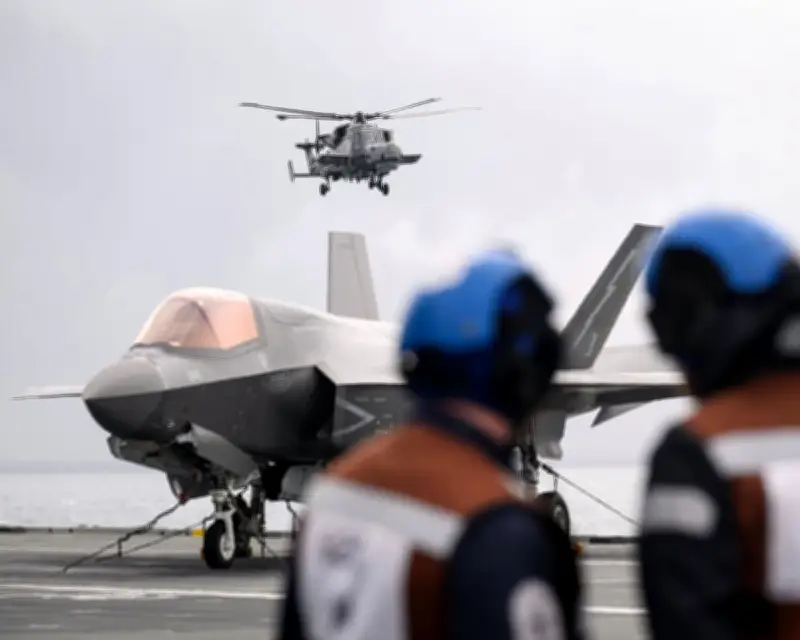
Simon Jenkins, a Guardian columnist, argues that Britain should spend less on defence, redirecting funds to employment, welfare, and growth. He criticizes the lack of debate, noting that parliament, media, and thinktanks only advocate for more or far more military spending.
No Immediate Military Threat
Jenkins contends there is no evidence Russia intends to attack British territory, despite warnings from European army chiefs about a potential war by 2029. He views this as a tactic to pressure taxpayers amid US reluctance to lead NATO. Prime Minister Keir Starmer's plan to spend 2.7% of GDP on defence by 2030 is deemed excessive, while NATO's 3.5% target by 2035 is unnecessary.
Jenkins references realists like George Kennan and Henry Kissinger, who questioned treating Moscow as an evil power. He quotes Mikhail Gorbachev telling US general Colin Powell: “I’m very sorry, you’ll have to find a new enemy.”
Military Spending as Waste
He argues that military spending does not deter cyber threats from Russia or China. The £63bn renewal of Britain's nuclear deterrent faces no scrutiny, despite being of questionable value. Jenkins recalls serving on Tony Blair's 1998 defence review, where concepts like menace and nuclear threat were treated as unquantifiable.
Jenkins warns against the military-industrial complex, echoing President Eisenhower's 1961 caution. He notes the failed expeditionary forces in Afghanistan and Iraq.
Questionable Projects
He highlights the nearly 600 defective Ajax armoured vehicles, years overdue and vulnerable to drones. NATO deputy commander Air Chief Marshal Sir Johnny Stringer admitted at a London conference that mass-produced, low-cost drones are needed, not expensive platforms. Jenkins calls this sound economic sense.
Jenkins criticizes Starmer's plan to slash transport and energy projects for defence, noting the £100bn HS2 railway. He contrasts the entire £5bn drone programme with one year's spending on this needless railway, not due until 2043.