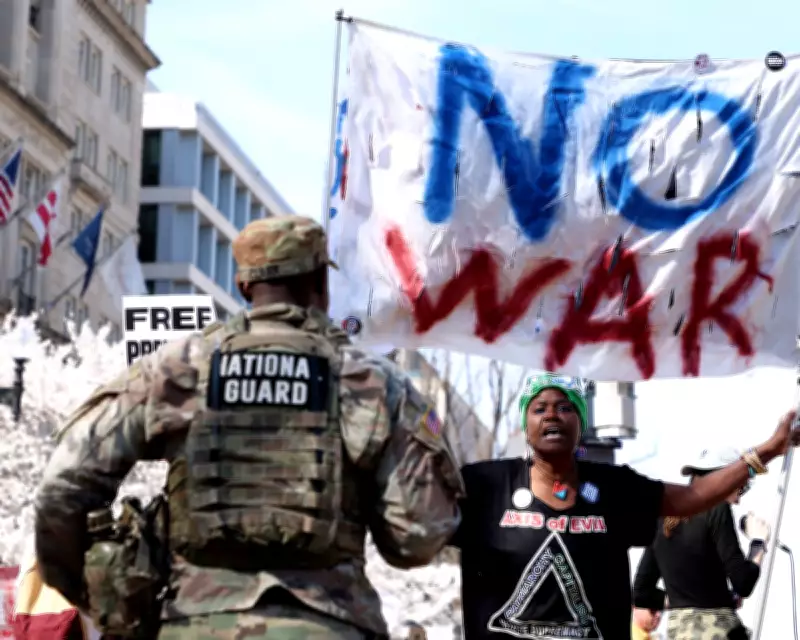
The age-old question of whether calls for restraint from authority figures can genuinely halt or de-escalate wars has sparked intense debate among readers. This discussion delves into historical and modern examples, exploring the complex interplay between diplomacy, power, and human conflict.
Historical Precedents of Authority Figures Influencing War
One reader pointed to a notable ancient example: Pope Leo I's successful persuasion of Attila the Hun to turn back from Rome in 452 CE. This early instance demonstrates how religious authority could potentially sway military decisions, though such outcomes were rare in an era dominated by conquest and expansion.
Another historical case mentioned involves the Peloponnesian War, where Spartan priests reportedly influenced campaigns through omens, leading to temporary halts. While the divine intervention aspect might be questioned, it highlights how perceived authority—whether religious or military—could impact wartime decisions.
Modern Examples of Diplomatic Intervention
The 1969 Football War between Honduras and El Salvador serves as a more recent example. The Organization of American States intervened to broker a ceasefire, demonstrating how regional authority bodies can sometimes facilitate conflict resolution. However, readers noted that the long-term consequences for both nations persisted for years afterward.
Perhaps the most surprising modern case discussed was the 2023 Wagner Group rebellion in Russia. Belarusian President Aleksandr Lukashenko's shuttle diplomacy between Yevgeny Prigozhin and Vladimir Putin helped quell the uprising within a day. While this mediation technically ended hostilities, readers questioned whether it represented a positive model for conflict resolution, given the underlying political complexities.
The Limitations of Authority in Wartime
Several readers expressed skepticism about the effectiveness of restraint appeals. One commenter argued that "once the dogs of war start salivating, no pleas of restraint can keep them from pursuing death and destruction," suggesting that economic and political interests often override moral appeals.
Another reader highlighted the challenge of achieving "peace with honour," noting that opponents in conflicts typically seek this outcome, making it difficult to attribute resolution solely to external authority figures. The human tendency toward "victim narratives" and the pursuit of victory, they argued, means many conflicts only end when one side is decisively defeated.
The Cuban Missile Crisis: A Case Study
The 1962 Cuban Missile Crisis was cited as a potential success story for authority-led de-escalation. UN Secretary-General U Thant played a crucial role in negotiations that helped pull the United States and Soviet Union back from the brink of nuclear war. This example suggests that international authority figures can sometimes create space for diplomatic solutions during extreme crises.
When Authority Perpetuates Rather Than Prevents Conflict
Readers also examined how authority figures sometimes exacerbate rather than resolve conflicts. One commenter noted the problematic invocation of God in wartime, with leaders often claiming divine favor to justify and perpetuate violence. They welcomed recent papal condemnations of war as a step toward using religious authority for peacebuilding.
The Christmas Truce of 1914 provided a contrasting perspective. German and British soldiers spontaneously ceased hostilities to exchange gifts and play football, without any authority figure's involvement. Senior officers eventually stopped this fraternization, leading one reader to conclude that "authority figures are often the driving force behind conflict, while those doing the fighting just want to get along."
The Challenge of War Crimes Accountability
The discussion expanded to include questions about war crimes prosecution. Readers noted the inconsistency in holding perpetrators accountable, with one observing that prosecution typically only occurs for those on the losing side. The example of Lt. William Calley Jr., the sole conviction from the My Lai massacre despite hundreds of civilian deaths, illustrates the limitations of international justice mechanisms.
This raises broader questions about whether calls for restraint can be effective when there are few consequences for violating international norms. Without robust enforcement mechanisms, appeals from authority figures may lack the necessary weight to alter battlefield behavior.
Conclusion: A Mixed Historical Record
The reader responses collectively paint a nuanced picture. While there are historical instances where authority figures have successfully advocated for restraint—from ancient popes to modern diplomats—these cases appear exceptional rather than typical. More often, wars end through military victory, negotiated settlements involving multiple parties, or exhaustion of resources rather than unilateral appeals for moderation.
The effectiveness of such calls seems to depend on numerous factors: the authority figure's credibility, the belligerents' willingness to compromise, the conflict's stage, and the presence of alternative resolution mechanisms. As one reader summarized, ceasefires and truces are relatively common throughout history, but lasting peace through authority-led restraint alone remains elusive.