Australia's Prime Minister Takes Hardline Stance Against Repatriation of IS-Linked Nationals
In a definitive statement that has sparked international attention, Australian Prime Minister Anthony Albanese has declared his government will not accept the repatriation of women and children from Syrian camps who have alleged ties to Islamic State militants. This firm position comes after a failed attempt to return 34 Australian nationals from the Al Roj camp in northeastern Syria.
Failed Repatriation Attempt Highlights Complex Situation
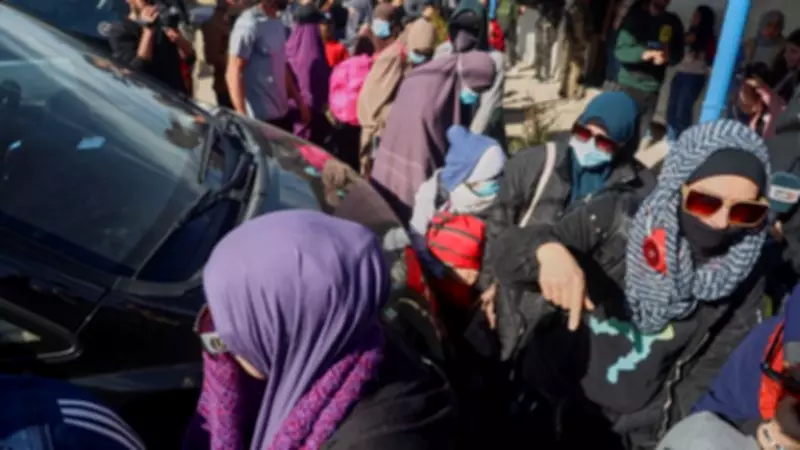
On Monday, February 16, 2026, 34 women and children from 11 Australian families were scheduled to depart from Al Roj camp, travel to Damascus, and ultimately fly to Australia. However, Syrian officials halted the process, stating that the necessary departure procedures were incomplete, forcing the families to return to the camp. This development occurred despite preparations made by family members of those detained.
When questioned about the attempted repatriation during an interview with ABC News, Prime Minister Albanese was unequivocal in his response. "We won't repatriate them," he stated firmly. The Prime Minister elaborated on his position using a traditional Australian expression: "My mother would have said, 'if you make your bed, you lie in it'. These are people who went overseas supporting Islamic State and went there to provide support for people who basically want a caliphate."
Albanese Cites Security Concerns and Legal Consequences
The Australian leader emphasized that his government maintains "a very firm view that we won't be providing assistance or repatriation" to individuals with connections to extremist groups. During his interview, Albanese hinted at potential legal ramifications for any returnees, warning that "if there are any breaches of the law, then they will face the full force of the Australian law."
This stance represents a continuation of Australia's policy toward citizens who traveled to join or support Islamic State operations in Syria and Iraq. The Prime Minister's comments reflect ongoing security concerns about individuals returning from conflict zones where they may have been radicalized or trained in extremist ideologies.
Al Roj Camp: Home to International Detainees Including Shamima Begum
Al Roj camp, also known as Roj camp, houses approximately 2,200 individuals from around 50 different nationalities, predominantly women and children with supposed links to Islamic State. While most residents are not technically prisoners and haven't been formally accused of crimes, they remain effectively detained within the heavily guarded facility controlled by Kurdish-led Syrian Democratic Forces.
The camp's most well-known resident is Shamima Begum, who fled London at age 15 in 2015 to marry IS fighters in Syria. Begum, who lost three children and recently failed in her appeal against the British government's decision to revoke her UK citizenship, represents just one of many complex cases involving Western nationals in Syrian detention camps.
International Context and Human Rights Concerns
The fate of detainees in Al Roj camp and the larger Al Hol camp has been a subject of international debate for years. Human rights organizations have consistently highlighted:
- Poor living conditions within the camps
- Pervasive violence affecting residents
- Limited access to basic services and medical care
- The psychological impact of prolonged detention
Despite these concerns, many nations remain reluctant to repatriate their citizens from Syrian camps. Camp director Hakmiyeh Ibrahim noted that 16 families were repatriated last year, including German, British, and French nationals, with three Australian families having been returned in 2022.
The situation presents a difficult balancing act for governments worldwide, weighing national security considerations against humanitarian obligations to citizens, particularly children born in conflict zones who had no choice in their circumstances.