
Russia's Frontline City: Airstrikes, Blackouts, and Civilian Anguish in Belgorod
Four years to the day since Vladimir Putin launched his full-scale invasion of Ukraine, the conflict's reverberations are starkly felt in Belgorod, a Russian city just 25 miles from the border. Once a peaceful urban center, Belgorod now grapples with bomb shelters, anti-drone nets, and frequent blackouts, as Ukraine's retaliation brings the war directly to Russian soil.
Bomb Shelters and Barricades: A New Normal
In Belgorod's central square, three white, squat structures stand out near the theatre and regional parliament building. Labeled "ukrytiye" or "cover" in red, these bomb shelters are among hundreds scattered across the city. Initially deemed temporary, they now feel permanent, symbolizing a grim reality unanticipated when the Kremlin began its invasion. Barricades at bus stops and nets over schools further underscore the city's frontline status.
Eighty-year-old Lyudmila recounts a harrowing experience when a drone crashed into her bedroom while she and her husband were at home. "It flew in through the window, hit the floor, exploded, and then flew into the other room," she says, still shaken. The blast left charred walls and scorch marks, with emergency crews removing unsalvageable furniture. Had the couple been in the room, they likely would have perished.
Daily Dangers and Close Calls
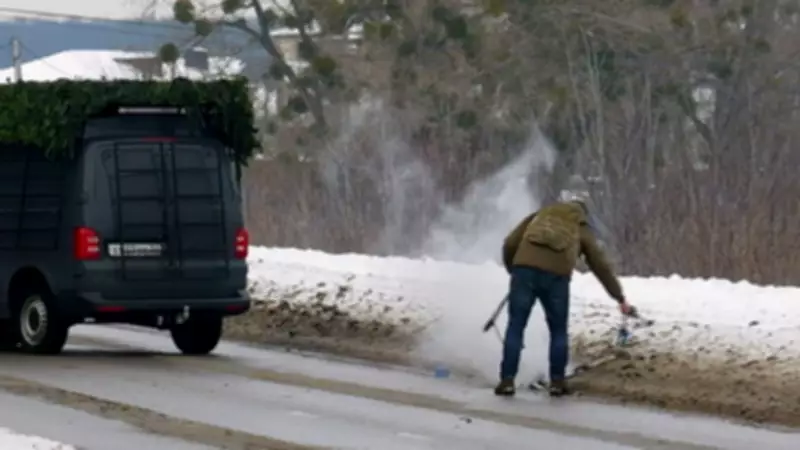
The constant threat of attack is palpable. During a trip to Shebekino, five miles from the Ukrainian border, a loud bang signaled a drone strike on the team's vehicle. Forced to flee across ice for cover, they discovered a "sleeper" drone that failed to detonate, illustrating the everyday perils for locals. This incident highlights how civilians in Belgorod face risks similar to those in Ukraine, albeit on a smaller scale.
Official reports indicate at least 440 deaths in the Belgorod region since the war began, compared to over 15,000 in Ukraine according to the UN. Liza, a young girl, lost her mother to shelling and had her left leg amputated after shrapnel injuries. Her uncle Dmitri, who adopted her, expresses deep sorrow: "She and I were left alone in our grief." He laments that children now know terms like "Vampire strikes" and drones, robbing them of a normal childhood.
Propaganda and Public Sentiment
At an official level, Belgorod embraces its role with exhibitions like "Angels of Victory," showcasing downed Ukrainian missiles without context on the war's origins. Bomb shelters have even inspired souvenir keyrings, turning danger into a symbol of defiance. In local Communist Party offices, elderly women weave camouflage nets daily, pledging support for troops under portraits of Stalin and Lenin.
However, frustration simmers beneath the surface. Galina, 73, has endured five days without power after a Ukrainian strike, criticizing local authorities for broken promises. "We understand the military situation, but you can't understand lies," she says. Similarly, Tatyana fears prolonged blackouts as temperatures plummet to -20°C, echoing hardships faced by Ukrainians due to Russian attacks on energy infrastructure.
Uncertain Future and Mounting Costs
With peace talks stalled and no end in sight, residents question the war's worth. The costs—losses, sanctions, isolation—are clear, but benefits remain elusive after four years. As Belgorod navigates airstrikes and blackouts, the human toll underscores a broader narrative: by exporting war, Russia has irrevocably altered life at home, leaving civilians to bear the brunt of a conflict with no resolution in view.




