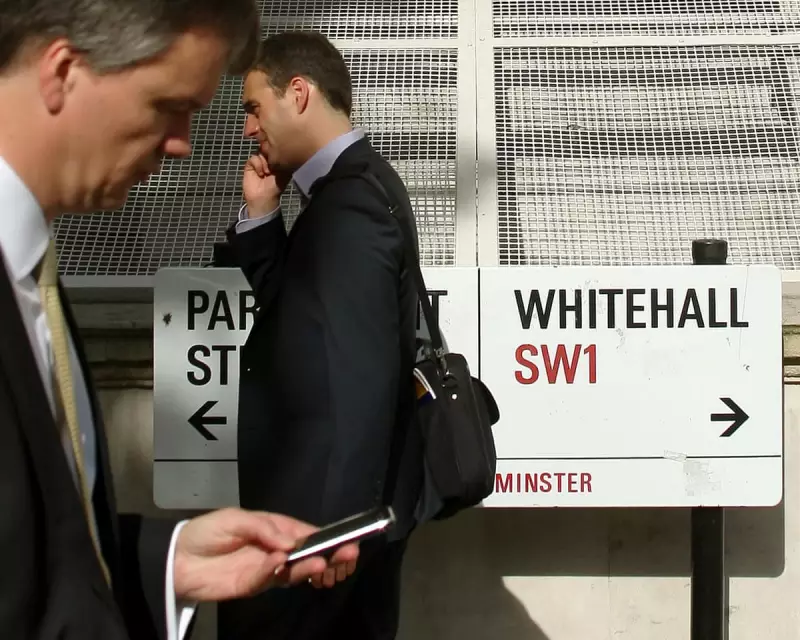
The UK government is set to establish a new national 'school of government' to train senior civil servants in critical modern skills, including artificial intelligence, data, and digital policy. This move comes more than a decade after the previous National School of Government was controversially closed under David Cameron's leadership.
Reversing a 'Mistake' and Rewiring Whitehall
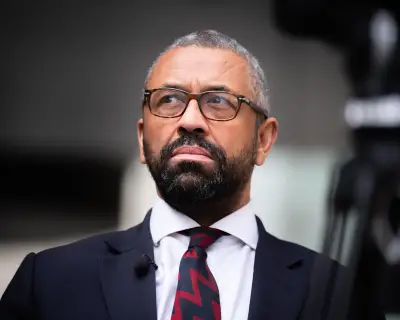
In a speech scheduled for Tuesday, the Chief Secretary to the Prime Minister, Darren Jones, will announce the new body as part of a broader plan to 'rewire' the civil service for contemporary challenges. The closure of the previous school at Sunningdale by the Cameron government has long been viewed as an error, leading to increased reliance and spending on external training providers.
Jones stated his determination to 'work with the civil service to change the system, promote innovation and build in-house state capacity to get things done'. The new school is a cornerstone of this effort, aiming to bring high-quality training back within the government.

Curriculum for a Modern Civil Service
The school's curriculum is designed to address gaps in expertise and will cover a wide range of subjects essential for effective public administration. The planned programme includes:
- Economics and finance
- Policy development and leadership
- Commercial skills
- Artificial intelligence, data, and digital technology
- Programme, project management, and delivery
Darren Jones emphasised the importance of supporting civil servants as AI use expands across the public sector. The school is slated to launch later this year, with a plan to reach full capacity over the next three years.
Part of a Broader Efficiency Drive
The announcement builds on the government's existing commitments to cut costs and improve performance. These include plans to halve spending on external consultants and reduce departmental administration costs by 16% over five years, aiming for annual savings of £2 billion by 2030.
In recent comments, Jones also suggested an increase in performance-related pay and indicated that civil servants not meeting standards could be 'shown the door'. However, he has been careful to frame the reforms as systemic, not a criticism of individual officials, noting that 'civil servants are as frustrated as us' with a bloated system that hinders action.
This initiative marks the latest chapter in a long history of civil service training reform. The original Civil Service College was axed in 1995, and its successor, the National School of Government, was shut down under Cameron. The new school represents a significant policy shift for the current administration, seeking to rebuild in-house expertise for a world-class professional civil service.