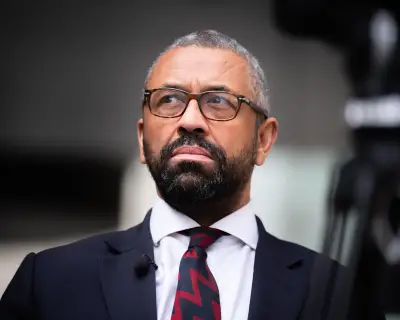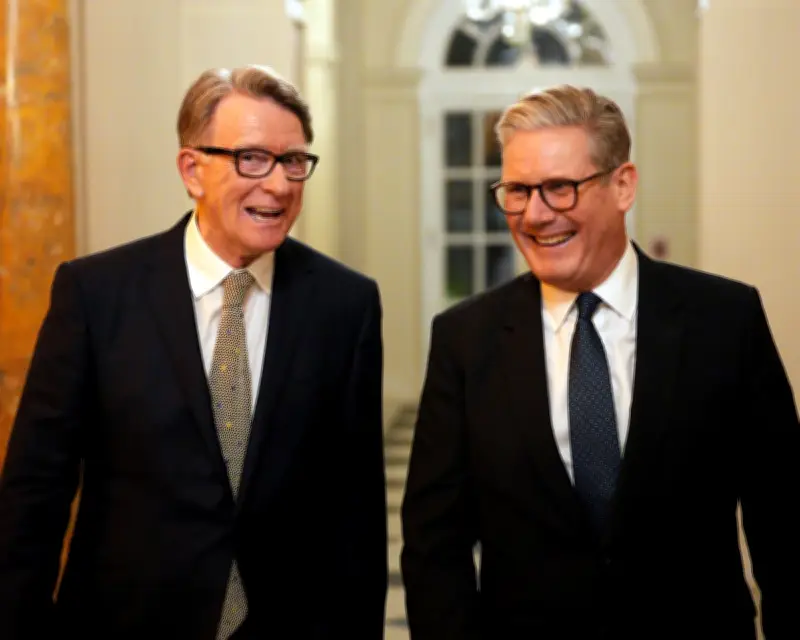
A parliamentary committee has recommended that political selections for ambassador posts should be subject to a veto by MPs, following what it described as the 'disastrous' appointment of Peter Mandelson as Britain's top diplomat in Washington. The foreign affairs select committee concluded that Mandelson's appointment was 'nothing short of disastrous', 'highly damaging' for the British government, and 'painful and offensive to the victims of Jeffrey Epstein'.
Committee findings and recommendations
The cross-party group of MPs, which scrutinises the work of the Foreign Office, argued that all political appointees to diplomatic posts should have to appear before them and be subject to a veto. This recommendation comes after the committee was denied the opportunity to question Mandelson before he was appointed or took up his posting. The committee, chaired by Labour MP Emily Thornberry, said its initial queries after Mandelson's withdrawal from Washington did not lead to 'full answers' but rather 'partial truths'.
Security clearance controversy
In April 2026, the committee heard evidence from key officials involved in Mandelson's appointment. This followed revelations from the Guardian that the Foreign Office had overruled the recommendation of the UK's security vetting agency, which had concluded in late January 2025 that Mandelson should not be awarded high-level security clearance. According to sources, the vetting agency's concerns included his associations with senior figures in China, Russia, and Israel, as well as a £1m loan. By the time senior civil servants reviewed the vetting agency's findings, Mandelson had already been announced by Prime Minister Keir Starmer as the next ambassador to the United States, with the role approved by the US government and King Charles.

Record keeping and unanswered questions
The committee criticised the 'appalling' record keeping by the Foreign Office and Downing Street, leaving MPs unclear whether evidence documenting key decisions exists, has been lost, or was passed to the Metropolitan police, who are withholding some documents potentially relevant to ongoing investigations. Among the documents that do exist is extensive correspondence from December 2024 debating whether Mandelson needed security vetting, given he was a member of the House of Lords and the privy council. The committee said it was 'extraordinary' that more time seemed to be spent on this question than on whether the vetting process 'would throw up problems that should have been a bar to his very appointment'.
Dismissal of top civil servant
Starmer, who has apologised for appointing Mandelson, faces further criticism over his decision to sack the head of the Foreign Office, Olly Robbins. Robbins was one of the top civil servants who decided to give Mandelson security clearance with 'mitigations' on what he said was a 'borderline' finding by vetting officials, although no evidence of those mitigations or justification for the 'borderline' description has been published. Starmer said he lost confidence in Robbins for failing to tell him Mandelson had failed vetting. The committee said Robbins believed he was 'delivering the outcome that was wanted' and concluded his dismissal 'seems to have been taken without full due process and the establishment of the facts'.
Future implications
The committee has recommended that public appointments should not be announced until security clearance has been granted. As Starmer prepares to leave Downing Street, there is some suggestion that his successor, Andy Burnham, may bring Robbins back into government as national security adviser. The episode has raised serious questions about the appointment process for senior diplomatic roles and the handling of security vetting.