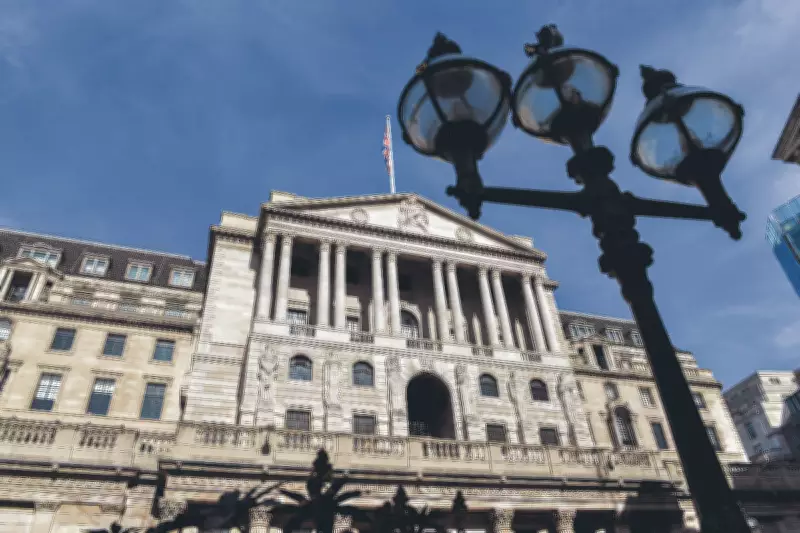
War-Driven Inflation Surge Puts Bank of England Rate Hikes Back on Agenda
Official data released on Wednesday 22 April 2026 has revealed a significant acceleration in UK inflation during March, creating fresh complications for the Bank of England's Monetary Policy Committee as it prepares for a crucial interest rate decision next week. The consumer price index climbed to 3.3 per cent last month, matching forecasts from City economists.
Middle East Conflict Fuels Price Pressures
The inflation spike is largely attributed to geopolitical tensions in the Middle East, where military actions by US President Donald Trump and Israeli Prime Minister Benjamin Netanyahu against Iran have caused critical trade disruption across the Strait of Hormuz. This strategic shipping corridor handles approximately one-fifth of global oil shipments, and the conflict has triggered fuel supply shortages that are now impacting the UK economy.
Grant Fitzner, chief economist at the Office for National Statistics, explained: "Inflation climbed in March, largely due to increased fuel prices, which saw their largest increase for over three years. Airfares were another upward driver this month, alongside food prices."

Core Inflation Metrics Show Persistent Pressures
Beyond the headline figure, underlying inflation measures remain elevated. Core inflation, which excludes volatile food and energy components, stood at 3.1 per cent in the year to March. More significantly, services inflation—closely monitored by the MPC for indications of wage growth pressures—inched up to 4.5 per cent from 4.3 per cent in February.
This could mark the beginning of a prolonged inflationary period as the effects of the Middle East conflict and global fuel supply constraints gradually permeate the UK economy over coming months.
Interest Rate Debate Intensifies
The unexpected inflation acceleration has reignited debate about the Bank of England's monetary policy direction. City analysts are now divided on whether the MPC will respond with interest rate hikes to combat rising prices.
Some economists, including those at JP Morgan and the National Institute of Economic and Social Research, anticipate at least one interest rate increase this year in response to the energy price shock. A rapid inflation surge could prompt the Bank to reverse the interest rate cuts implemented over the past two years.
However, other analysts suggest the Bank may maintain current rates, with Peel Hunt's Kallum Pickering even suggesting two rate cuts could materialize later this year if disruption in the Strait of Hormuz subsides.
Geopolitical Uncertainty Continues
The situation remains fluid as President Trump and US negotiators apply pressure on Iran to accept a deal regarding the vital shipping route. The US has blockaded Iranian ports while Iran has attacked vessels passing through the Strait despite a ceasefire agreement.
Meanwhile, the UK government is exploring measures to alleviate household bill pressures, though a comprehensive support package announcement isn't expected for several weeks. As the Bank of England's rate-setters analyze this complex data, their decision next week will signal how seriously they view this war-propelled inflation threat to the UK economy.