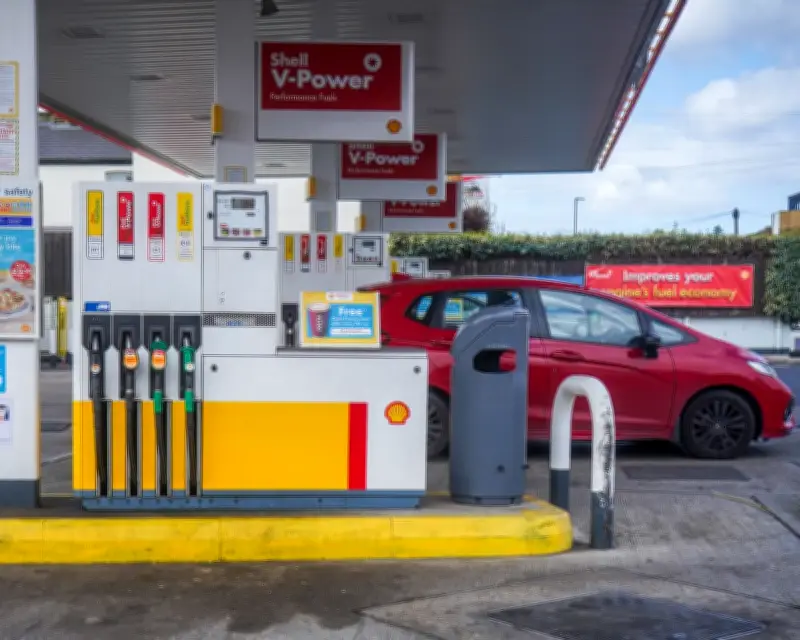
UK inflation fell more than anticipated in June, dropping to 2.6% from 2.8% in May, providing a significant boost to Prime Minister Andy Burnham's pledges to reduce the cost of living and stimulate the economy. The decline exceeded economists' expectations of a slide to 2.7%, driven by falling fuel prices, particularly diesel, and lower clothing costs amid summer sales.
June CPI details and contributing factors
The Office for National Statistics (ONS) reported that the Consumer Prices Index (CPI) reading for June surprised analysts, with fuel prices declining due to an unstable truce in the Middle East conflict. Clothing prices also dropped month on month, alongside reductions in transport and food costs, offsetting modest price increases in most other goods and services.
Grant Fitzner, ONS chief economist, noted: "Food prices fell this month, driven by products including chocolate, margarine and beef. Clothing prices also fell with the start of summer sales, with bigger discounts than last year. The cost of raw materials dipped for the first time since January, mainly due to the lower price of crude oil, while the increase in the costs of goods leaving factories slowed again."

Government response and policy measures
The new prime minister has committed to easing the cost-of-living burden on households, announcing a winter VAT cut on electricity bills and lowering the cap on bus fares in England. Chancellor John Healey described the drop in inflation as "news families want to hear" but stressed that "there is much more to do to give people the breathing space they need." He added: "That is why yesterday we cut VAT on electricity bills and today we’re announcing a £2 cap on bus fares from January. We have chosen to focus on the cost of living in our first week, signalling that concern for working people will be at the heart of everything we do."
Analyst warnings and future outlook
Despite the positive data, analysts cautioned that the reprieve may be temporary. The recent escalation of hostilities in the Middle East has pushed Brent crude oil prices back above $90 a barrel, which could fuel future inflation. The National Institute of Economic and Social Research (Niesr) expects inflation to worsen in the second half of the year, reflecting a 13% rise in the energy price cap from July and the deteriorating situation around Iran.
Joe Nellis, economic adviser at MHA, called the fall "a welcome piece of good news for the incoming prime minister and his chancellor." However, he noted: "The escalation of tensions in the Middle East in February led to fears of inflation spiralling out of control... while inflation has remained consistently above the Bank of England’s 2% target, it remains far below expected levels."
Political reaction and interest rate implications
Shadow Chancellor Mel Stride blamed the government for inflation remaining above target, stating: "Labour’s tax hikes and reckless borrowing stoked inflation, and Andy Burnham has already made billions of pounds of spending commitments without any plan to pay for them."
The lower inflation figure may ease concerns that the Bank of England could raise interest rates later this month. Several members of the Monetary Policy Committee have expressed worries about persistent inflation, but the June data suggests rates may remain at 3.75% for now. Charlotte O’Leary of Niesr predicted inflation would begin an upward trajectory from July through early next year, but with nominal pay growth cooling, the Bank may hold rates again.