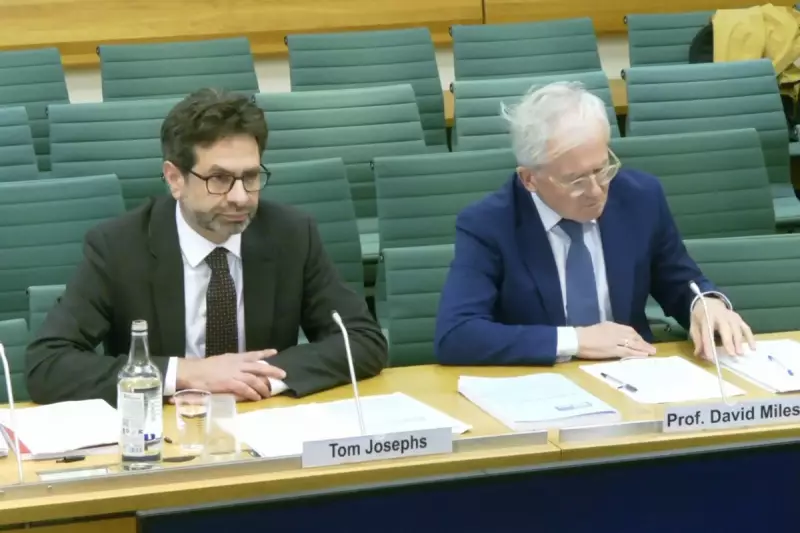
The Office for Budget Responsibility (OBR) has become a rare unifying target for both the left and right of British politics, but its influence could be neutered by a simple, if challenging, fiscal move: running a budget surplus.
A Common Enemy for Left and Right
In recent political discourse, the OBR has found itself in the crosshairs. Critics on the radical right view it as an over-powerful quango, entrenched in Treasury orthodoxy and hostile to growth-focused tax cuts. Conversely, the radical left often portrays it as a creation of George Osborne, designed to shackle progressive governments by limiting their ability to borrow for investment.
The core grievance shared by both sides is that the OBR's long-term economic forecasts act as a constraint on policy freedom, forcing Chancellors into U-turns on tax or spending. There is some validity to these complaints, as governments of all colours have been hamstrung by projections from the independent watchdog.

The Truss Lesson and Market Realities
The dramatic collapse of Liz Truss's premiership serves as a stark warning against sidelining the OBR. Her attempt to operate without its forecasts did not grant more freedom; it severely limited her government's room for manoeuvre. The reaction from the bond markets was swift and brutal, with gilt yields spiking and her economic plan unravelling in days.
This episode underscored a crucial reality: international bond markets pay close attention to the OBR's assessments. Abolishing the watchdog outright would likely force even more extreme fiscal consolidation, as markets would demand higher premiums for lending to a government without independent scrutiny.
The Path to Irrelevance: Spend Less Than You Earn
The true method to diminish the OBR's power is not abolition but making it redundant. As Tom Harwood, deputy political editor of GB News, argues, the watchdog only bites if a government is determined to "borrow to the brim" of its allowance every single year.
Historical precedent supports this view. In 2014, when Chancellor George Osborne was focused on deficit elimination, he operated with a substantial £80bn of fiscal headroom. This buffer made OBR forecasts largely academic to his immediate choices. Contrast this with the easily revised £9.9bn of headroom cited under current Chancellor Rachel Reeves.
The equation is straightforward: the more a Chancellor cuts spending and reduces borrowing, the less relevant the OBR's projections become. Bond markets only panic when a nation is overwhelmingly indebted with poor prospects for returning to solvency.
The ultimate, albeit fiendishly difficult, solution is for a government to run a budget surplus. By consistently spending less than it collects in revenue, a Treasury can reclaim full autonomy, consigning the OBR's forecasts to the dustbin of insignificance not by dismantling the institution, but by altering the fundamental fiscal facts upon which it reports.