Peel Hunt chief warns stamp duty is a 'handbrake' on retail investment
The government's industry-backed investing campaign will fail to usher in a new wave of retail investment unless ministers also promise to scrap the UK's 'hard to defend' tax regime on shares, the boss of a top investment bank has warned.
Writing in City AM, Peel Hunt chief executive Steven Fine said that the record haul the Exchequer raised through charging stamp duty on shares was 'simply a tax for backing British business' that is killing off animal spirits in Britain and should be phased out starting at the next Budget.
The UK government currently levies a 0.5 per cent charge on any purchase of London-listed equities. City firms have long held the tax up as a primary reason why trading volumes and valuations on Britain's bourse lag behind those in competing markets, which do not levy an equivalent tax on share transactions.

Fine, who is one of the longest-serving chief executives of any London-listed bank, said the levy 'acted as a handbrake' on investment in Britain that, if maintained, would condemn what is the largest retail investment campaign of its kind in British history to failure.
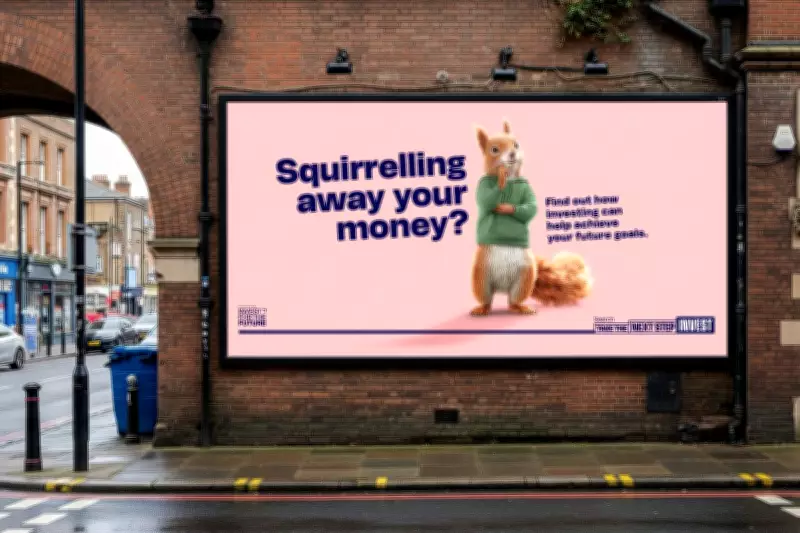
'Britain does need a stronger investing culture and I fully support the aims of the campaign,' the banking grandee wrote on Tuesday. 'More people should own a stake in the companies driving growth, creating jobs and building prosperity. But let's be honest, we need more than a squirrel. If ministers are serious about turning Britain into a nation of investors, they cannot promote share ownership with one hand while taxing it with the other.'
The government unveiled its eagerly awaited retail investment push – dubbed the Invest for the Future campaign – last week as part of a wider ambition to revitalise the UK's liquidity-starved capital markets. Starring a red squirrel called 'Savvy', the drive is backed by 20 UK financial services firms, including Hargreaves Lansdown and Barclays, and spearheaded by the Investment Association industry body. It has been billed as the largest drive of its kind in the country's history, outstripping the fabled 'Tell Sid' campaign that accompanied Margaret Thatcher's Big Bang in the 1980s.
But several City institutions have already poured cold water on the campaign, which was beset by issues before it had launched. Several trading and investment platforms – the main interface retail investors use to invest in the stock market – withdrew on cost and timing grounds before it was unveiled, including AJ Bell, Interactive Investor and Freetrade.
Fine added that Chancellor Rachel Reeves should look to cut stamp duty on shares at the next Budget before eventually abolishing the tax entirely, after figures released last week showed the levy generated a record £4.7bn revenue for the Exchequer.
Any reform would come a year after ministers confirmed a three-year holiday from stamp duty on shares for any new entrants to London's bourse, which was announced in a bid to encourage more listings.
'If Savvy the Squirrel helps spark a retail investing revolution, all well and good,' he wrote. 'But campaigns alone will not deliver one. Mascots do not move markets, policy does. Hence the Chancellor should use the autumn Budget to begin phasing out stamp duty on share trading, with a clear path to abolition. Start with a cut: send a signal and release the brake.'
Industry figures have also warned that the multi-year retail investment campaign, which will initially run online and on billboards before appearing on television, also risks being undermined by the government's Isa reforms. The overhaul to the UK's predominant savings tax wrapper will cap the amount households can put into cash and cash-like investments each year.
Karen Northey, director of corporate affairs at the Investment Association, said: 'There's no single lever that will shift the UK to a nation of investors. This campaign is an important part of the jigsaw – focused on unlocking confidence and understanding, alongside the broader set of reforms needed to support long-term participation.'

A Treasury spokesman said: 'We want savers to get the best bang for their buck and UK businesses to have access to an important source of capital. That's why our Leeds Reforms are making it easier for people to invest – through clearer information as well as targeted support from banks – ensuring savings help back UK growth.'