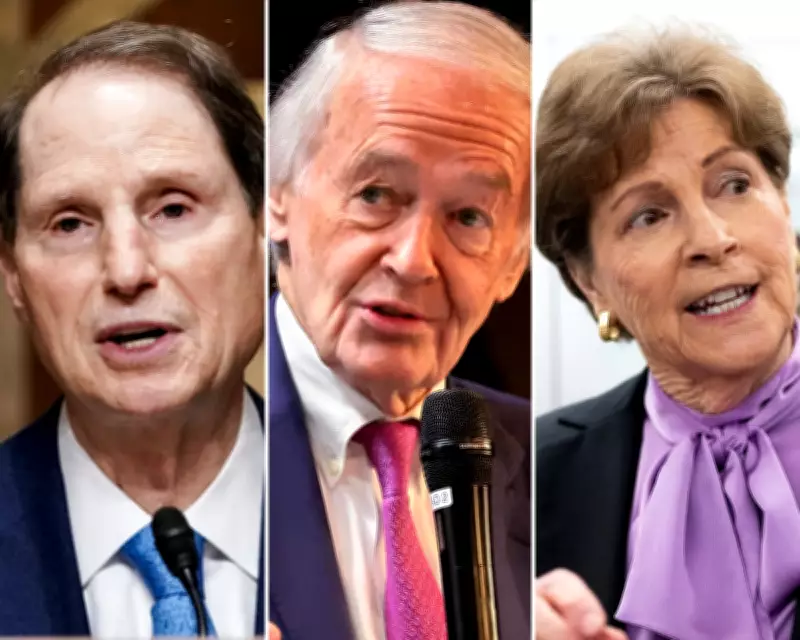
Senate Democrats Introduce Groundbreaking Tariff Refund Legislation
In a significant move to address economic pressures on American households, Senate Democrats have unveiled a new bill designed to refund tariffs directly to consumers. This legislative proposal aims to mitigate the financial impact of trade policies that have led to increased costs on imported goods, affecting millions of Americans across the country.
Key Provisions of the Bill
The bill outlines a structured mechanism for returning tariff revenues to taxpayers, with a focus on low- and middle-income families who are disproportionately affected by higher prices. According to Democratic sponsors, the refunds would be distributed through tax credits or direct payments, ensuring that the funds reach those most in need. This approach seeks to provide immediate relief while fostering greater economic equity in the face of ongoing trade disputes.
Political and Economic Context
The introduction of this bill comes amid heightened trade tensions and debates over the effectiveness of tariffs as a tool for economic policy. Senate Democrats argue that while tariffs may serve strategic purposes, their burden should not fall solely on consumers. By proposing refunds, they aim to balance trade objectives with consumer protection, potentially reshaping the discourse on how trade policies impact everyday Americans.

Opposition from some quarters is expected, with critics likely to question the fiscal implications and implementation challenges of such a refund system. However, supporters emphasize that the bill could stimulate consumer spending and support domestic industries by putting money back into the hands of those who drive the economy.
Potential Impacts and Future Outlook
If passed, the tariff refund bill could set a precedent for how trade-related revenues are managed in the United States, influencing future policy discussions on trade, taxation, and consumer welfare. The proposal is currently under review in Senate committees, with hearings scheduled to assess its feasibility and broader economic effects. As the debate unfolds, it highlights the ongoing struggle to align trade strategies with the financial well-being of American citizens.