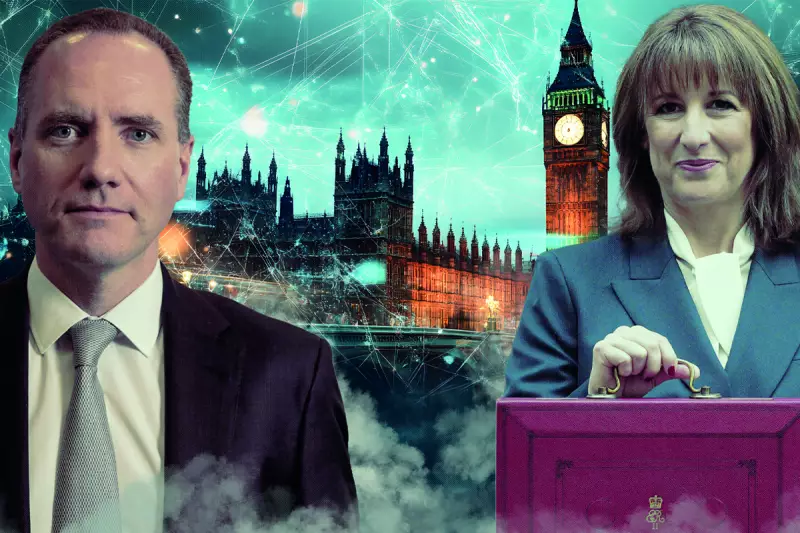
Chancellor Rachel Reeves has been embroiled in a bitter and very public dispute with the Office for Budget Responsibility (OBR), Britain's independent fiscal watchdog, following a significant leak of Budget details and a war of words over economic forecasts.
The Leak That Torpedoed Budget Day
On the morning of the Budget, as Rachel Reeves was finalising her House of Commons speech, the event was thrown into chaos. Between 5:16am and 11:30am, seven audacious internet users made 44 attempts to breach the OBR's servers seeking an early glimpse of her plans.
An hour before the Chancellor was due to speak at 12.30pm, the news agency Reuters revealed that Budget details had been accessed and leaked. This premature release effectively torpedoed Reeves's statement, causing panic at the OBR's headquarters where staff even attempted to take down the entire website.

Following furious criticism from Prime Minister Keir Starmer over the security failure, OBR chair Richard Hughes resigned. A swift investigation concluded that the "ultimate responsibility" for the error rested "with the leadership".
A War of Words Over Forecasts and 'Headroom'
The spat escalated when the surviving OBR officials, undeterred by Hughes's departure, pointed fingers at numerous pre-Budget media leaks emanating from other parts of Whitehall. The conflict burst into full public view when former chair Hughes sent a detailed letter to Treasury Select Committee chair Meg Hillier, spelling out the exact timeline of changes to its fiscal forecasts.
This timeline contradicted anonymous government briefings which had suggested the Chancellor was dealing with dire forecasts necessitating large tax rises. Hughes's letter revealed that by 31 October, the OBR's final pre-measures forecast suggested Reeves would meet her fiscal rules with headroom of £4.2bn.
This figure was a near-£5bn trim from the £9.9bn headroom left in the Spring, driven by a sweeping productivity downgrade, higher debt interest, and revised inflation and wage growth projections. Crucially, it did not include the £6bn cost of abandoned welfare savings or £3bn for lifting the two-child benefit cap.
With Treasury adjustments applied, the perceived fiscal hole was closer to £30bn. The decision to raise around £26bn in taxes and cut day-to-day spending was, therefore, a political choice, with officials insisting it was "necessary" to meet fiscal targets.
Scrutiny Over Messaging and Manifesto Promises
Reeves faced intense scrutiny over her "scene-setter" press conference on 4 November, widely interpreted as hinting Labour would break its manifesto pledge not to raise income tax. Tory leader Kemi Badenoch argued Reeves knew there was no shortfall and misled the public.
Questions remain over why the government dropped plans to raise income tax rates just over a fortnight before the Budget. The OBR's remaining committee members, David Miles and Tom Josephs, are reportedly aggrieved by "blabbermouths" among Downing Street advisers.
David Miles told the Treasury Select Committee that Hughes's unusual letter was intended to "set the record straight" on "damaging" pre-Budget leaks that created a false impression of "wildly fluctuating" forecasts. "There were no wild fluctuations," Miles stated.
Broader Fallout and Calls for Reform
The leaky war has opened floodgates to questions about the credibility of the UK's economic framework. Shadow Chancellor Mel Stride and the SNP's Stephen Flynn have written to the Financial Conduct Authority demanding an investigation into alleged market manipulation from the leaks.
Dissatisfaction with the OBR is growing. Former transport secretary Louise Haigh criticised the government's "excessive deference" to the OBR's "rigid orthodoxy". Labour MP Jeevun Sandher accused it of locking the UK into a tax-and-spend "doom loop".

Think tanks are proposing reforms. The Tony Blair Institute wants the OBR to produce an alternative, more optimistic growth forecast. The New Economics Foundation argues the government should have more power to dispute OBR findings, which it says are too hesitant to reward policies challenging Treasury orthodoxy.
Meanwhile, the next major decision for Chancellor Reeves is appointing a new, more tech-savvy OBR chair. Having seemingly won this 'Leaky War', she may now have the political capital to consider altering her "iron-clad" fiscal rules and reshaping the watchdog itself.