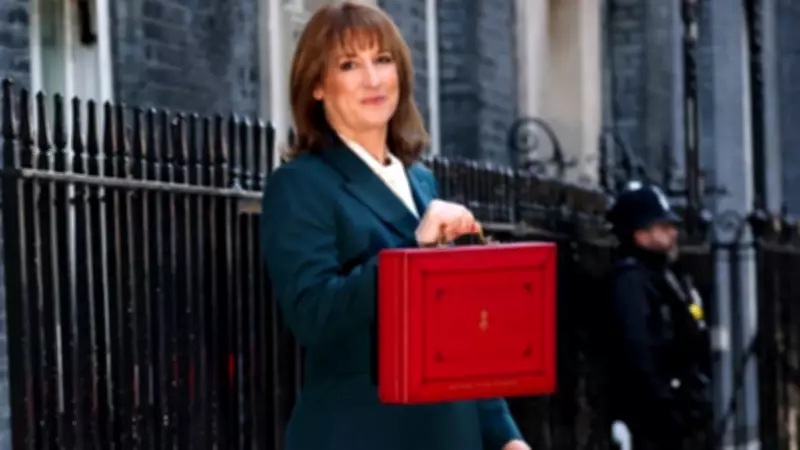
Chancellor Rachel Reeves is set to deliver her spring statement on the afternoon of March 3 in the House of Commons, marking a deliberate shift towards a more subdued fiscal event. Unlike the autumn budget, which is intended as the year's primary financial announcement, this spring update will be brief, lasting approximately 20 minutes, and is not expected to include significant policy changes or the traditional red box presentation.
What to Expect from the Spring Statement
Reeves has emphasized that the spring statement will be a quiet affair, rebranded from the spring budget to avoid major announcements. This approach aims to reduce speculation and maintain focus on the autumn budget as the key fiscal event. However, the statement will still outline the latest economic forecasts from the Office for Budget Responsibility (OBR), which will be published on the Treasury's gov.uk website following her speech. This change comes after a security review, prompted by an accidental leak during the last budget.
OBR's Role and Economic Insights
The OBR will provide critical forecasts on the UK's economic performance, including projections on growth, inflation, and government debt. Notably, this will be the first time in the OBR's 16-year history that it will not issue a formal assessment of the government's progress toward its fiscal rules. These rules include not borrowing for day-to-day public spending by the end of the parliament and reducing government debt as a share of national income. Economists will use the OBR data to gauge the chancellor's fiscal headroom, which could influence future economic decisions.

Political and Economic Context
Despite the low-key nature of the event, the spring statement holds political significance. Reeves faces potential criticism if she makes minor tax adjustments, as opponents could accuse her of implementing stealth taxes. The current state of the UK economy adds complexity: inflation has fallen to 3% but remains above the Bank of England's 2% target, GDP grew by just 0.1% in the last quarter of 2025, and unemployment has risen to 5.2%, with youth unemployment at 16.1%. However, wage growth continues at 4.2% annually, and a record £30.4 billion budget surplus in January reflects increased tax receipts from previous hikes.
Implications for Future Policy
While no major announcements are anticipated, the spring statement will inform government decisions on future tax and spending policies. It serves as a checkpoint to assess the impact of the last budget and ongoing economic strategies. As the UK navigates a fragile economic landscape, this update will be closely watched by policymakers, economists, and the public for signals of stability or change.